


The honest answer is that it is both easier and more challenging, and the degree to which it is one or the other depends almost entirely on how prepared the practitioner is. In Ghana, where digital adoption is accelerating faster than our institutional readiness, the stakes of that preparation have never been higher. Ghana’s internet users have surpassed 26 million, representing a penetration rate of 74.6 percent, an increase of 8.6 percent in a single year (DataReportal, 2025). There are approximately 8.6 million social media users, roughly one in four Ghanaians, growing at 10 percent annually, driven overwhelmingly by young Ghanaians who live on their phones. WhatsApp, Facebook, TikTok, Telegram, and Instagram now shape Ghana’s digital public sphere, each carrying distinct audiences, content cultures, and risks.
Different scholars have confirmed that digital media has significantly influenced public relations practice in Ghana, with most practitioners now spending more than half their working time on social media platforms. Every organisation, corporate, civil society, governmental, or faith-based is active on social media. Whether they are using the right platform for the right purpose is another question entirely.
The gift of Social Media
Social media has genuinely democratised public communication in ways that have been profoundly beneficial for advocacy, access, and accountability. The #FixTheCountry movement of 2021 began as a hashtag on Twitter (now X) with no advertising budget and no institutional backing. Studies showed that, the campaign mobilised over 700,000 Twitter users locally and internationally within weeks, eventually compelling legislators to respond publicly and bringing thousands onto the streets of Accra. No press release or newspaper advertisement has achieved this. The #DontTaxMyPad campaign, championed by the Ghana CSO Platform on Sustainable Development Goals (SDGs), similarly brought the issue of taxes on sanitary pads into parliamentary corridors in ways that years of traditional lobbying could not. For resource-constrained organisations, social media has been a genuine equaliser, enabling direct, immediate, and interactive engagement at a fraction of the cost of conventional media.
Three problems PR Practitioners cannot ignore
First is misinformation. There are a lot of fabricated information, quotes, manipulated images and out-of-context headlines that can establish false narratives. These can damage the image and reputation of an organisation. In Ghana’s WhatsApp-saturated environment, a damaging story can spread across networks in minutes, long before an organisation has even been notified. Second is platform literacy. Our audiences are not cosmic and practitioners who treat the digital ecosystem as a single channel will consistently miss. Third, institutional unpreparedness. Scholars note that public relations research and practice remain underdeveloped relative to the pace of digital change, with organisations frequently assigning social media to the most junior or least resourced member of the team. In 2026, social media management is one of the most consequential functions in any communications operation. It deserves to be treated as one.
What the PR discipline must know
According to a 2025 global communications report, 96 percent of brand crises now spread internationally within 24 hours, making rapid response essential. In Ghana, that window is even narrower. Leaked audio recordings, viral screenshots, and customer complaints now constitute full-blown crises before organisations have finished their morning meetings. Brands that respond within the first hour of a crisis are 85 percent more likely to maintain public confidence. Yet many Ghanaian organisations still have no crisis management strategy, no designated social media spokesperson, and no monitoring system in place. They are flying blind in a storm that can arrive without warning and no organisation is immune.
A final word
The PR practitioners thriving in this environment understand early that effective public relations is not a megaphone, it is a two-way conversation built on dialogue, mutual understanding and genuine relationship. Social media has made public relations more demanding, more visible, and ultimately more consequential. The fundamentals have not changed. What has changed is the penalty for ignoring them.
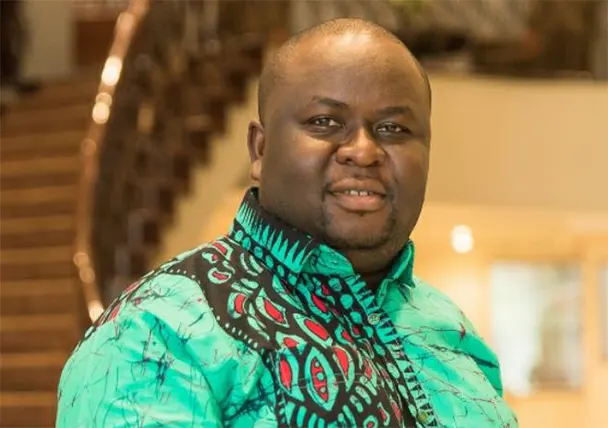
Archibald Nii Sarbah Adams is an International Communications Consultant, Founding President of the African Institute for Population and Development (AIPD), a final year PhD Candidate at the University of Ghana and host of the Narrativeshift Africa, a bi-monthly podcast bridging the gap between academia and industry for communications and public relations.
By Archibald Nii Sarbah Adams
