


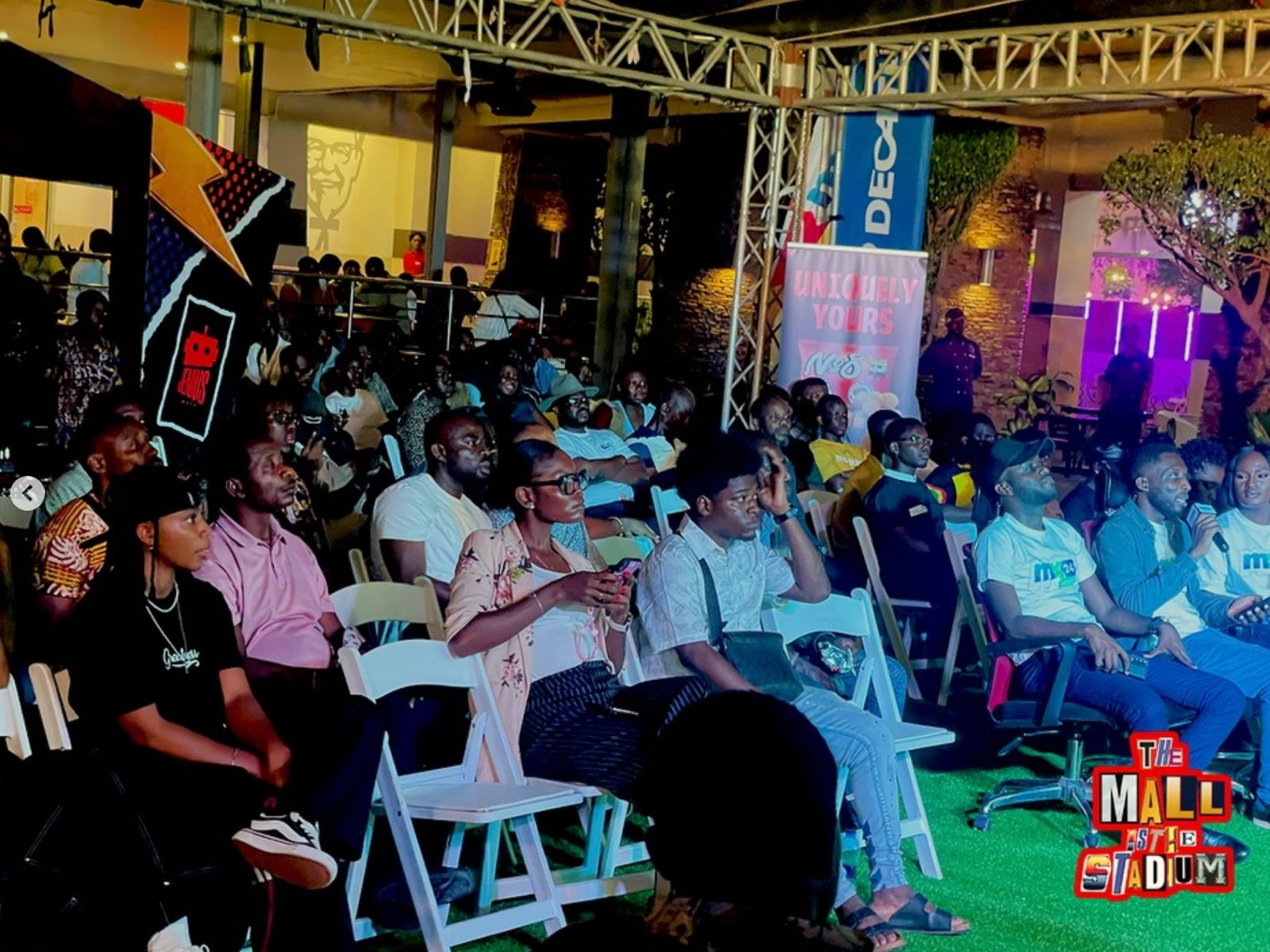
In an era where consumerism intersects with entertainment, Ghana’s bustling malls are undergoing a transformative shift—evolving from mere retail spaces into vibrant fan zones that rival traditional stadiums. This innovative approach is not only redefining the shopping experience but also positioning malls as dynamic hubs for community engagement, cultural expression, and immersive entertainment. As Ghana’s urban landscape continues to evolve, these commercial hotspots are becoming the ultimate destinations for fans, artists, and enthusiasts alike.
The Rise of the Mall as a Spectator Arena
Traditionally, stadiums have been the epicenters of fan culture, hosting sports events, concerts, and cultural festivals. However, Ghana’s modern malls are now adopting this role, blending retail therapy with high-energy entertainment. The concept of “the mall as the stadium” is gaining traction, particularly during major events such as the African Cup of Nations (AFCON), FIFA World Cup qualifiers, and local football derbies. Retailers, mall operators, and event organizers are collaborating to create themed fan zones that replicate the electric atmosphere of a stadium—complete with giant screens, interactive displays, and real-time commentary.
One of the most notable examples is the Accra Mall, which has become a go-to destination for football fans during high-stakes matches. The mall transforms its open spaces into a fan-friendly zone, complete with:
– Oversized LED screens broadcasting live matches in high definition, allowing shoppers to enjoy games while browsing or dining.
– Interactive fan walls where supporters can post messages, share predictions, and engage in real-time polls.
– Themed food and beverage stalls offering national dishes like waakye and jollof rice alongside international snacks, catering to diverse tastes.
– Live performances by local artists, drumming ensembles, and cheerleaders, adding to the festive atmosphere.
This shift is not limited to football; malls are also becoming cultural and entertainment hubs for music festivals, fashion shows, and even esports tournaments. The KIA Mall in Kumasi, for instance, has hosted Afrobeats concerts and gaming tournaments, drawing crowds that rival those of traditional concert venues.
Enhancing the Fan Experience: Technology and Community Engagement
The success of malls as fan zones lies in their ability to leverage technology and foster community engagement. Here’s how they’re doing it:
1. Immersive Digital Experiences
- Augmented Reality (AR) and Virtual Reality (VR) Installations: Some malls are integrating AR experiences where fans can interact with virtual stadiums, try on digital merchandise, or even “step into” the shoes of their favorite athletes.
- AI-Powered Commentary: Advanced systems allow fans to receive real-time statistics, player analyses, and historical match insights directly on their smartphones via mall Wi-Fi.
- Social Media Integration: Fans can live-stream their mall experiences, share highlights, and participate in challenges using mall-provided hashtags, creating organic buzz.
2. Themed Merchandise and Interactive Shopping
Malls are curating exclusive merchandise that fans can purchase while enjoying the event. For example:
– Limited-edition jerseys of Ghana’s national team or local clubs, often designed in collaboration with mall brands.
– Customizable fan gear, such as hats, scarves, and LED-lit accessories that sync with match highlights.
– Interactive kiosks where fans can design their own team jerseys or create personalized memorabilia using digital tools.
3. Community Building Through Shared Spaces
Beyond shopping, malls are fostering social connections by:
– Hosting fan meetups where supporters can network, share strategies, and bond over shared interests.
– Organizing charity drives tied to sports events, such as collecting donations for local youth football academies.
– Featuring local talent showcases, giving emerging artists and athletes a platform to engage with fans.
Economic and Social Impact
The transformation of malls into fan zones is not just about entertainment—it’s a strategic economic move with far-reaching benefits:
1. Boosting Retail and Dining Revenues
During major events, mall footfall skyrockets, leading to increased sales in:
– Apparel and accessories (jerseys, team colors, fan merchandise).
– Food and beverage (themed menus, premium drinks, and event-specific snacks).
– Entertainment and experiences (VR gaming, live performances, and interactive exhibits).
For instance, during the 2023 AFCON qualifiers, malls like Cocobay Mall in Accra reported a 30% increase in foot traffic, with food courts and retail outlets seeing heightened demand.
2. Revitalizing Local Economies
By attracting both domestic and international tourists, these fan zones contribute to:
– Job creation in hospitality, retail, and event management.
– Support for local businesses, as malls partner with small vendors for exclusive stalls.
– Cultural preservation, as traditional music, dance, and cuisine are integrated into the mall experience.
3. Strengthening National Pride
For Ghana, these malls serve as symbols of national unity. During high-stakes matches, the atmosphere inside a mall mirrors that of a stadium—united chants, patriotic displays, and collective celebrations—reinforcing a sense of Ghanaian identity and pride.
Challenges and Future Prospects
While the concept is innovative, it comes with challenges:
– Logistical Hurdles: Managing large crowds, ensuring security, and coordinating with event organizers requires robust planning.
– Sustainability Concerns: The environmental impact of large-scale events in malls needs to be addressed, such as waste management and energy consumption.
– Competition with Traditional Venues: Some argue that malls cannot fully replicate the intimacy and energy of a stadium, though hybrid models (e.g., mall-stadium partnerships) are being explored.
Looking ahead, the future of Ghana’s malls as fan zones is bright and multifaceted:
– Expansion of Themed Events: More malls are expected to host annual fan festivals, blending sports, music, and fashion.
– Integration of Smart Technology: AI-driven personalization, blockchain for ticketing, and metaverse experiences could further enhance engagement.
– Pan-African Collaborations: Malls may partner with African sports leagues to create pan-African fan zones, fostering cross-border cultural exchange.
Conclusion: The New Face of Ghana’s Entertainment Landscape
Ghana’s malls are no longer just places to shop—they are dynamic, interactive hubs where fans, families, and communities converge to celebrate, engage, and connect. By blending retail innovation with entertainment, these commercial spaces are setting a new standard for fan culture in Africa. As the trend continues to grow, it’s clear that the mall of the future isn’t just a shopping destination—it’s a stadium of experiences, a cultural melting pot, and a beating heart of Ghanaian pride.
For residents and visitors alike, these transformed malls offer more than just a place to spend money—they provide memories, camaraderie, and a shared sense of belonging that transcends the traditional boundaries of entertainment. In doing so, they are redefining what it means to be a fan—and what it means to live in Ghana today.
