


Nigeria and Ghana are taking bold strides toward collaborative digital innovation and technology-driven industrialization, positioning both nations as key players in Africa’s technological revolution. The recent emphasis on joint initiatives by Nigerian authorities underscores a broader vision to transform economies through science, engineering, and digital transformation—aligning with Ghana’s own strategic priorities in the sector.
Nigeria’s Renewed Hope Agenda: Bridging Policy and Execution
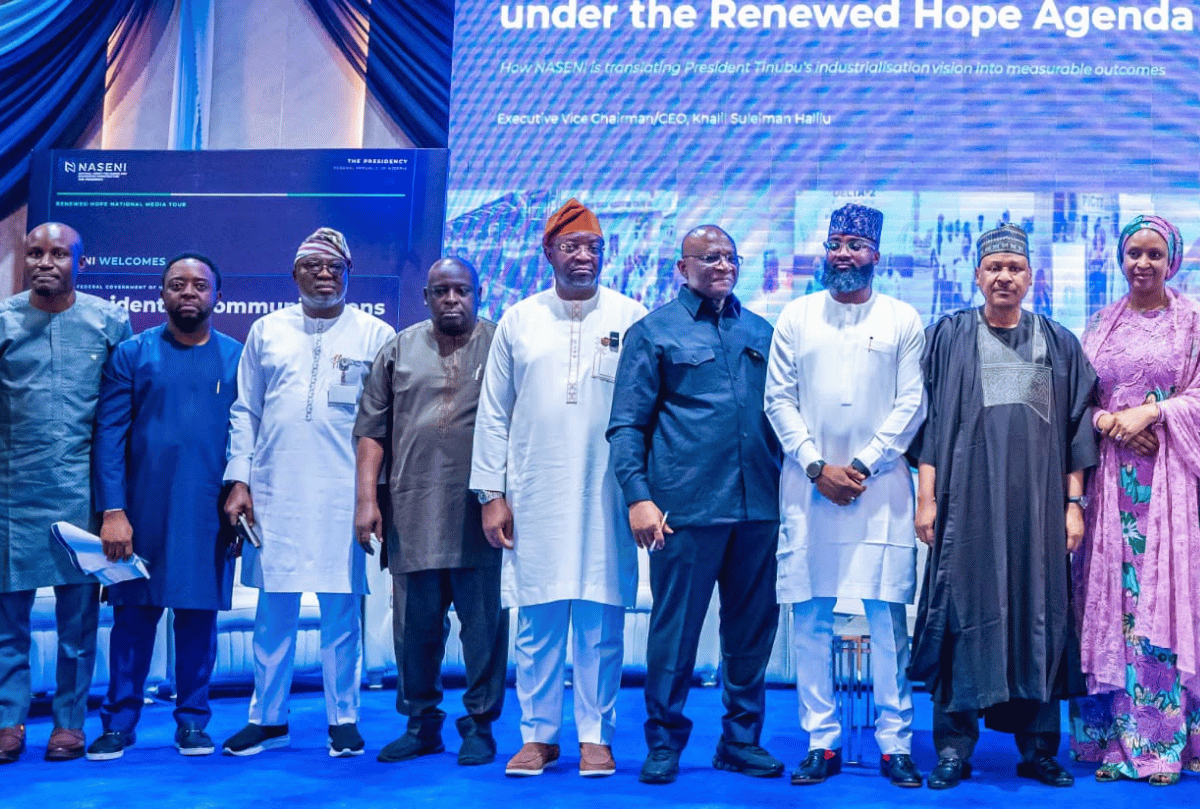
Nigeria’s Minister of Information and National Orientation, Mohammed Idris, highlighted President Bola Ahmed Tinubu’s Renewed Hope Agenda as a transformative framework that translates government policies into actionable projects, job creation, and economic growth. During a Presidential Media Team Tour of the National Agency for Science and Engineering Infrastructure (NASENI) in Abuja, Idris emphasized that the initiative aims to democratize transparency by allowing citizens to witness firsthand the implementation of national development programs.
NASENI, a cornerstone of Nigeria’s industrial transformation, operates across five critical sectors:
– Local manufacturing – Boosting domestic production capabilities.
– Renewable energy – Accelerating sustainable energy solutions.
– Agricultural mechanization – Enhancing productivity through technology.
– Digital technology – Fostering innovation in software, AI, and cybersecurity.
– Skills development – Equipping the workforce with future-ready competencies.
The Minister stressed that NASENI’s interventions are critical to Nigeria’s shift from a consumer-driven economy to one of innovation, self-sufficiency, and global competitiveness. By promoting indigenous technological solutions, the agency reduces reliance on foreign imports while strengthening Nigeria’s industrial base.
“Our vision is to transform Nigeria into a nation of producers, innovators, and exporters. Transparency thrives when institutions engage the public, and accountability deepens when citizens can verify progress themselves.”
— Mohammed Idris, Honourable Minister of Information and National Orientation
NASENI’s Industrialization Blueprint: Factories, Research, and Global Competitiveness
Under the leadership of Khalil Suleiman Halilu, Executive Vice Chairman and CEO of NASENI, the agency has implemented a practical industrialization strategy focused on:
– Local manufacturing – Designing and assembling products tailored to Nigeria’s market needs.
– Technology transfer – Bridging gaps between research and commercial applications.
– Healthcare innovation – Developing homegrown medical solutions.
– Research commercialization – Turning scientific breakthroughs into marketable products.
A testament to NASENI’s progress is its establishment of over 20 factories across Nigeria’s six geopolitical zones and the Federal Capital Territory (FCT). The agency’s approach follows a gradual increase in local content, ensuring that industries become self-sustaining and globally competitive.
“We design products for the Nigerian market, assemble them locally, and gradually build factories that can compete on the global stage. This is how we are fostering sustainable industries.”
— Khalil Suleiman Halilu, CEO, NASENI
Ghana’s Parallel Vision: Digital Transformation and Industrial Resilience
While Nigeria’s NASENI drives industrialization, Ghana’s government has similarly prioritized digital innovation and technology integration as pillars of economic growth. The Ghana Tech Hub, Digital Address Verification (DAV) system, and Ghana’s Digital Economy Blueprint reflect a structured approach to leveraging technology for governance, education, and business efficiency.
Key Ghanaian initiatives include:
– Ghana’s Digital Address Verification (DAV) System – Enhancing service delivery through digital identity management.
– Ghana Tech Hub – A platform for startups, innovation, and tech-driven entrepreneurship.
– Digital Transformation in Agriculture – Using IoT and AI to optimize farming practices.
– Cybersecurity and Data Protection – Strengthening national digital infrastructure against threats.
Collaborative Opportunities: Nigeria and Ghana’s Shared Future
The potential for Nigeria-Ghana technological collaboration is vast, particularly in:
– Cross-border digital infrastructure – Shared data centers, cloud computing, and cybersecurity frameworks.
– Joint R&D projects – Accelerating innovation in renewable energy, healthcare tech, and AI.
– Skills exchange programs – Training Nigerian and Ghanaian professionals in emerging tech fields.
– Industrial partnerships – Leveraging NASENI’s manufacturing expertise with Ghana’s tech ecosystem.
Both nations share a common goal: reducing dependency on imports, fostering local innovation, and positioning Africa as a hub for digital and industrial excellence. As Nigeria’s Renewed Hope Agenda and Ghana’s digital transformation roadmap advance, strategic partnerships could amplify their collective impact, ensuring sustainable growth for West Africa’s economic future.
The Path Forward: Innovation, Accountability, and Shared Prosperity
For Nigeria and Ghana, the journey toward digital and industrial supremacy requires:
✔ Strengthened public-private partnerships – Encouraging investment in tech startups and manufacturing.
✔ Enhanced education reforms – Integrating STEM (Science, Technology, Engineering, and Mathematics) into school curricula.
✔ Policy harmonization – Aligning digital and industrial regulations to facilitate cross-border collaboration.
✔ Citizen engagement – Maintaining transparency in government tech initiatives to build trust and accountability.
As both nations continue to prioritize innovation, skills development, and industrial resilience, their combined efforts could redefine Africa’s technological landscape, proving that digital transformation is not just an option—but a necessity for economic sovereignty.
