


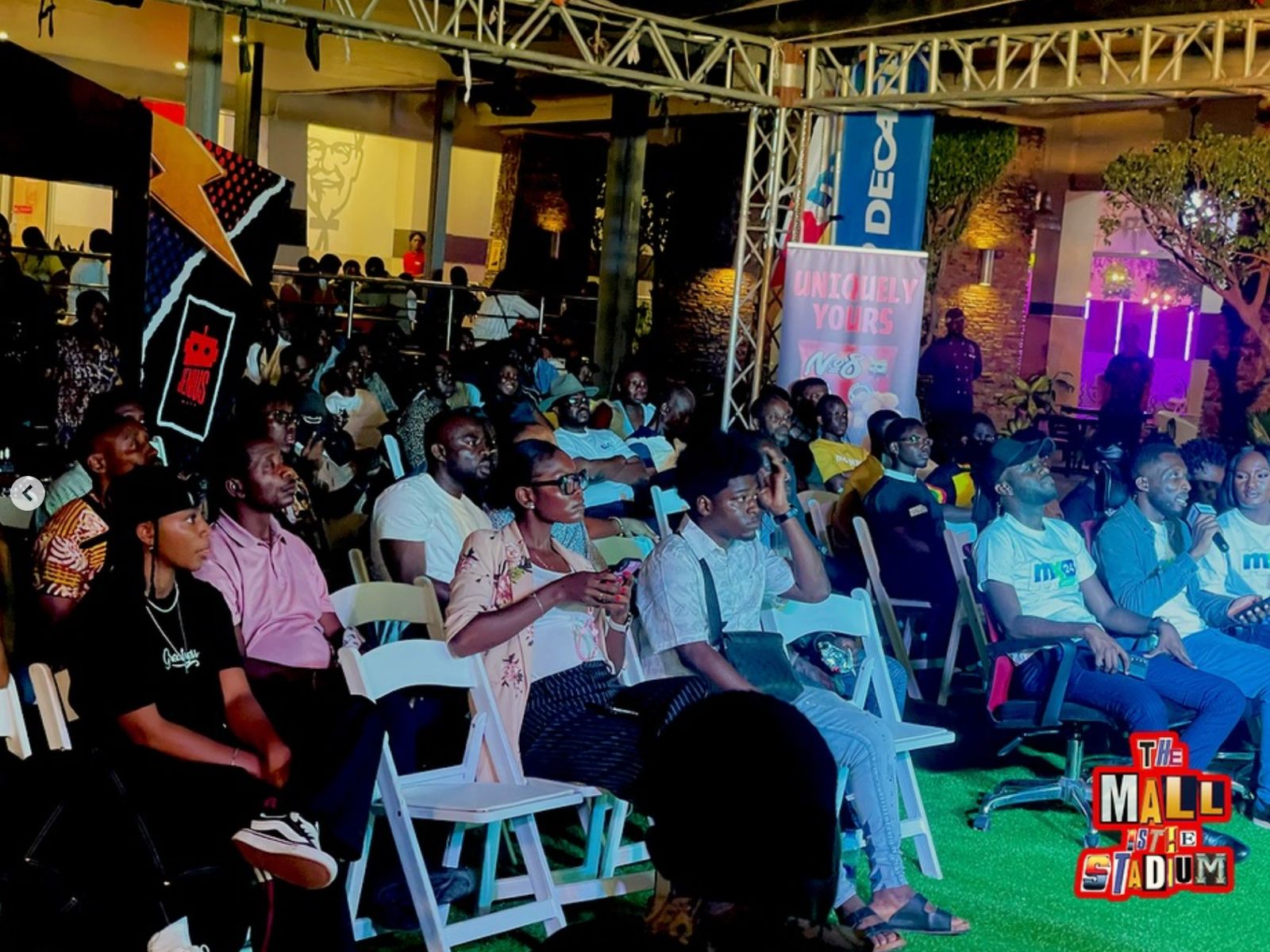
In recent years, Ghana’s bustling commercial hubs have undergone a transformative shift, evolving from mere shopping destinations into vibrant fan zones that rival traditional stadiums. This innovative approach, spearheaded by mall operators and event organizers, has redefined how Ghanaians engage with sports, entertainment, and cultural spectacles. By leveraging the infrastructure, amenities, and central locations of the country’s largest malls, these spaces are now becoming the epicenters of communal excitement, blending retail therapy with immersive fan experiences.
The Rise of Mall-Based Fan Zones: A Strategic Evolution
The concept of turning malls into fan zones is not entirely new globally, but Ghana’s adaptation of this idea reflects a unique blend of local ingenuity and global trends. Traditionally, major sporting events—such as the African Cup of Nations (AFCON) or the Ghana Premier League (GPL)—have relied on stadiums like the Accra Sports Stadium or the Baba Yara Stadium in Kumasi to host thousands of passionate fans. However, the limitations of stadium capacity, logistical challenges, and the need for more accessible viewing options have prompted a shift toward alternative venues.
Ghana’s malls, particularly those in Accra, Kumasi, and Tamale, have emerged as ideal alternatives due to their spacious interiors, advanced audio-visual systems, and strategic urban placements. Operators like Citi Mall, Westfield Accra, and the Mall of Ghana have begun repurposing their facilities to host live broadcasts, fan meet-and-greets, and interactive fan engagement activities, effectively turning shopping centers into ultimate spectator hubs.
Key Features of Mall Fan Zones: What Makes Them Unique?
The success of mall-based fan zones lies in their ability to combine entertainment, convenience, and community engagement. Here’s how these spaces are redefining the spectator experience:
1. High-Definition Broadcasts and Immersive Visuals
One of the most compelling aspects of mall fan zones is the state-of-the-art broadcasting technology deployed to ensure fans don’t miss a single moment of the action. Large-format LED screens and high-resolution projectors are installed in central areas, allowing thousands of spectators to watch matches or events simultaneously. For instance, during the 2023 AFCON qualifiers, malls like Citi Mall set up dedicated viewing areas with multi-angle camera feeds, enabling fans to switch between different perspectives—whether it’s the referee’s view, slow-motion replays, or player statistics.
To enhance the experience, some malls integrate interactive digital displays that provide real-time updates on player stats, match timelines, and historical comparisons, keeping fans engaged beyond just the visual spectacle.
2. Fan-Friendly Amenities and Comfort
Unlike traditional stadiums, which can be crowded and lack amenities, malls offer superior comfort and convenience. Fan zones within malls provide:
– Seating arrangements with cushioned chairs or even reclining lounges for extended viewing.
– Food and beverage outlets partnering with local and international brands to offer a variety of snacks, drinks, and even match-day specials.
– Family-friendly zones with play areas for children, ensuring that fans of all ages can enjoy the event without compromising on comfort.
– Accessibility features, including ramps, elevators, and designated seating for individuals with disabilities.
For example, during the 2022 FIFA World Cup, Westfield Accra transformed its atrium into a fan village, complete with a mini stadium replica, food trucks, and live commentary stations where fans could interact with local sports analysts.
3. Interactive Engagement and Exclusive Experiences
Mall fan zones go beyond passive viewing by incorporating interactive elements that deepen fan participation. Some of the most popular features include:
– Live Q&A sessions with players, coaches, or sports personalities via video links or in-person appearances.
– Fan contests and giveaways, such as photo booths with team props, trivia quizzes, and prize draws for lucky attendees.
– Virtual reality (VR) experiences, where fans can simulate being on the field or court, offering an immersive alternative to traditional viewing.
– Social media integration, where fans can share their experiences in real-time using dedicated hashtags and augmented reality (AR) filters tied to the event.
During the 2023 Ghana Premier League finals, The Mall of Ghana in Kumasi hosted a fan festival that included VR goal-scoring simulations, player autograph sessions, and a live auction where fans could bid for signed memorabilia.
4. Security and Safety Measures
Given the potential for large crowds, mall operators prioritize robust security protocols to ensure a safe environment. Measures typically include:
– Enhanced surveillance with CCTV cameras and AI-driven crowd monitoring.
– Dedicated security personnel trained in crowd management and emergency response.
– Clear entry and exit protocols, including bag checks and metal detectors at peak times.
– Partnerships with law enforcement agencies to handle any security concerns proactively.
For high-profile events like AFCON qualifiers, malls often collaborate with Ghana Police Service and private security firms to conduct pre-event risk assessments and contingency planning.
Economic and Social Impact: Beyond Entertainment
The transformation of malls into fan zones extends beyond entertainment, offering significant economic and social benefits:
1. Boosting Retail and Local Businesses
Fan zones attract thousands of visitors who are likely to spend money on retail, dining, and entertainment within the mall. This increased footfall translates to higher sales for local vendors, food stalls, and service providers, creating a win-win scenario for both mall operators and businesses.
For instance, during the 2021 Ghana vs. Burkina Faso friendly match, Citi Mall reported a 30% increase in sales on match days, with food and beverage outlets seeing the highest demand.
2. Strengthening Community Bonds
Sports and cultural events have a unique ability to bring communities together. By hosting fan zones in central malls, organizers ensure that diverse groups—from families to young professionals—can come together to celebrate shared passions. This fosters a sense of unity and national pride, particularly during major international events like AFCON or the World Cup.
Additionally, malls often partner with local schools, clubs, and NGOs to organize charity drives, awareness campaigns, and youth engagement programs during these events, further enhancing their social impact.
3. Attracting Tourists and Investors
The innovative use of malls as fan zones has positioned Ghana as a forward-thinking destination for sports tourism. International visitors, particularly those attending AFCON or other major tournaments, are drawn to the unique spectator experiences offered by Ghana’s commercial hubs. This has boosted tourism revenue and attracted investments in sports infrastructure and entertainment sectors.
Challenges and Considerations
While the concept of mall fan zones is promising, it is not without challenges. Key considerations include:
1. Logistical and Operational Hurdles
Hosting large crowds in retail spaces requires careful planning to avoid overcrowding, congestion, or service disruptions. Malls must ensure that parking, transportation, and crowd flow are managed efficiently to prevent bottlenecks.
2. Cost Implications
Setting up a dedicated fan zone involves significant upfront costs, including rental fees, technology investments, and staffing. While the long-term benefits are substantial, mall operators must weigh these expenses against potential revenue gains.
3. Balancing Retail and Event Priorities
Malls operate on a daily retail model, and hosting large events can sometimes disrupt regular business operations. Operators must strike a balance between maximizing event revenue and maintaining retail productivity.
4. Ensuring Inclusivity
While fan zones attract large crowds, there is a risk of exclusion for lower-income groups due to high ticket prices or entry fees. To mitigate this, some malls offer subsidized or free entry for certain demographics, ensuring broader participation.
The Future of Mall Fan Zones in Ghana
As Ghana continues to host major international and local sporting events, the role of malls as fan zones is expected to expand and evolve. Future trends may include:
- Hybrid Event Models: Combining physical fan zones with virtual viewing options, allowing fans to engage remotely while still participating in interactive activities.
- Themed Fan Experiences: Creating immersive environments inspired by the teams or events, such as African-themed decor for AFCON or retro sports aesthetics for classic tournaments.
- Sustainable Initiatives: Implementing eco-friendly practices, such as recycling programs, energy-efficient lighting, and carbon-neutral event operations, to align with global sustainability goals.
- Partnerships with Tech Companies: Collaborating with streaming platforms, gaming companies, and social media influencers to enhance digital engagement and reach a broader audience.
Conclusion: A New Era of Spectator Culture
The transformation of Ghana’s malls into ultimate fan zones represents a bold and innovative approach to spectator culture. By leveraging the strengths of retail spaces—accessibility, amenities, and community appeal—these venues are redefining how Ghanaians experience sports and entertainment. Beyond the excitement of live events, mall fan zones are driving economic growth, fostering social cohesion, and positioning Ghana as a leader in creative event management.
As the concept matures, it holds the potential to inspire similar initiatives across Africa, proving that commercial spaces can be more than just places to shop—they can be the heart of shared experiences. Whether it’s cheering for the Black Stars, celebrating local GPL heroes, or enjoying cultural festivals, Ghana’s malls are fast becoming the new stadiums of choice—where every visit is an event, and every event is unforgettable.
