


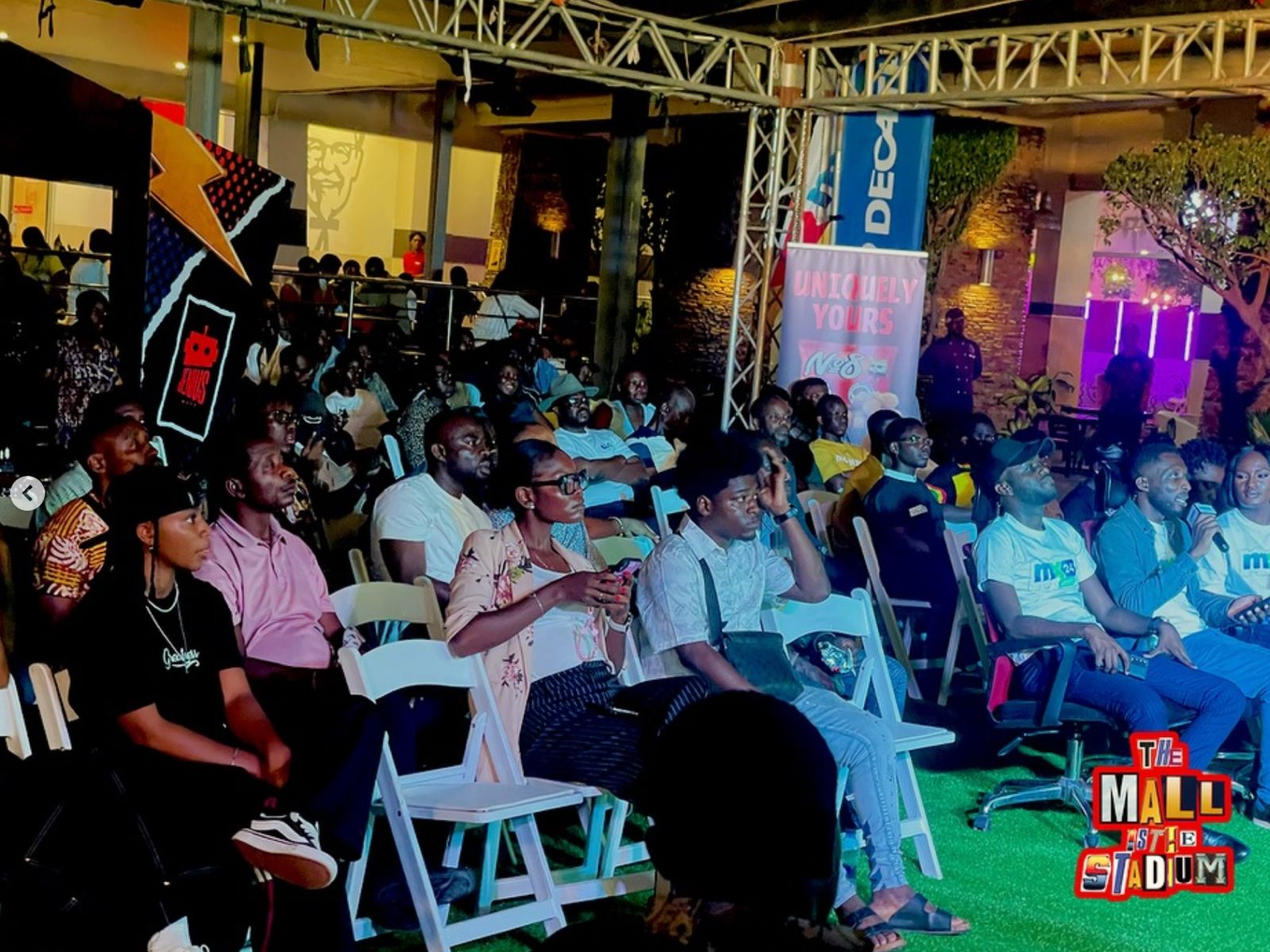
In an era where consumer behavior is increasingly shaped by immersive experiences, Ghana’s bustling malls are undergoing a transformative shift—evolving from mere shopping destinations into vibrant fan zones that rival traditional stadiums. This evolution is not merely about retail; it’s about community engagement, entertainment, and the creation of shared cultural moments that resonate with locals and tourists alike. As Ghana’s urban landscape continues to grow, so too does the demand for spaces that blend commerce with high-energy, interactive entertainment, turning everyday shopping trips into unforgettable experiences.
The Rise of Mall-as-Stadium Concepts
The concept of repurposing malls as fan zones is gaining traction globally, but Ghana’s approach is uniquely tailored to its vibrant cultural fabric. Inspired by the excitement of live sports events, music festivals, and even political rallies, mall operators and event organizers are strategically designing spaces that replicate the electric atmosphere of a stadium. This shift is driven by several key factors:
-
Urbanization and Limited Stadium Capacity
Ghana’s urban centers, particularly Accra and Kumasi, are experiencing rapid population growth, straining the capacity of traditional sports and entertainment venues. Malls, with their spacious interiors, high ceilings, and strategic layouts, offer an alternative solution. For instance, Cantonments Mall in Accra and The Mall of Ghana in Tema have already begun hosting large-scale events, including concerts, exhibitions, and even mock sports tournaments, proving that these spaces can accommodate thousands of attendees without the logistical challenges of outdoor stadiums. -
The Demand for Multi-Functional Spaces
Modern consumers no longer view malls solely as places to purchase goods. They seek experiences—whether it’s a live band performance, interactive gaming zones, or themed pop-up events. By integrating fan-centric activities into their operations, malls are not only increasing foot traffic but also fostering loyalty among shoppers. For example, Ada Foah Mall in Accra has hosted street food festivals and cultural showcases, blending local cuisine with entertainment to create a unique, Instagram-worthy atmosphere. -
Leveraging Technology for Immersive Experiences
The integration of digital and interactive technologies is a game-changer in this transformation. Malls are now equipped with: - Augmented Reality (AR) and Virtual Reality (VR) zones, where shoppers can engage in virtual sports simulations or explore global landmarks.
- Interactive screens and holographic displays, enhancing live events with real-time data, fan interactions, and augmented visuals.
- Mobile apps and QR code check-ins, allowing attendees to personalize their experience—from exclusive event previews to loyalty rewards.
A prime example is The Mall of Ghana, which recently partnered with a local tech firm to launch a gamified shopping experience, where customers could earn points for attending events, leading to discounts and exclusive merchandise.
Case Studies: Ghana’s Malls Leading the Charge
Several malls across the country have already embraced this trend, each with its own unique approach:
1. Cantonments Mall: The Ultimate Fan Hub
Located in the heart of Accra’s commercial district, Cantonments Mall has positioned itself as a year-round entertainment hub. Its open-concept design allows for large-scale events, while its multi-level layout ensures visibility and accessibility. Recent initiatives include:
– “Mall Olympics”: A quarterly event where shoppers compete in mini-games, quizzes, and challenges, with prizes ranging from gift vouchers to luxury electronics.
– Live Sports Screenings: Partnering with local sports clubs to broadcast highlights of Ghana’s national teams on massive LED screens, complete with fan zones for betting and discussions.
– Cultural Nights: Monthly events featuring Ghanaian highlife, afrobeats, and traditional drumming performances, attracting crowds that rival those at outdoor concerts.
2. Ada Foah Mall: Blending Commerce with Community
Ada Foah Mall has taken a community-driven approach, focusing on local talent and grassroots engagement. Key features include:
– “Marketplace of Ideas”: A platform where local artists, musicians, and entrepreneurs showcase their work, turning the mall into a living gallery and performance space.
– Family-Friendly Zones: Dedicated areas for kids’ activities, storytelling sessions, and interactive workshops, ensuring that the mall remains a family destination while also catering to adult entertainment needs.
– Themed Pop-Up Stores: Temporary stores that align with seasonal events, such as Christmas markets, Valentine’s Day pop-ups, or even themed “Ghanaian Pride” stores during national holidays.
3. The Mall of Ghana: Tech-Infused Entertainment
As one of the largest malls in the region, The Mall of Ghana in Tema has leveraged cutting-edge technology to redefine the mall experience. Notable innovations include:
– AI-Powered Event Scheduling: An app that allows users to book tickets, receive real-time updates, and even vote on upcoming events, creating a crowdsourced entertainment calendar.
– Virtual Reality Gaming Lounge: A dedicated space where visitors can play immersive VR sports games, from soccer to boxing, against friends or AI opponents.
– Sustainable Fan Engagement: Initiatives like “Bring Your Own Cup” discounts and eco-friendly event promotions align with Ghana’s growing sustainability consciousness, appealing to environmentally aware shoppers.
The Economic and Social Impact
The transformation of malls into fan zones is not just a novelty—it’s a strategic economic and social investment with far-reaching benefits:
Economic Benefits
- Increased Revenue Streams: Beyond traditional retail, malls generate income from event ticket sales, sponsorships, food and beverage partnerships, and premium seating areas.
- Job Creation: The rise of event management, tech integration, and customer experience roles within malls has created new career opportunities for locals.
- Tourism Boost: International visitors are drawn to Ghana’s unique shopping-and-entertainment hybrid destinations, contributing to foreign exchange earnings.
Social Benefits
- Community Building: Malls serve as neutral ground where people from different backgrounds can socialize, celebrate, and connect, strengthening social cohesion.
- Cultural Preservation: By hosting traditional performances, local art exhibitions, and heritage-themed events, malls help preserve and promote Ghanaian culture in an urban setting.
- Youth Engagement: For Ghana’s young population, malls offer alternative entertainment to traditional nightlife, reducing risks associated with unregulated venues.
Challenges and Considerations
While the mall-as-stadium concept holds immense potential, it also comes with challenges that operators must address:
- Logistical Complexities
- Security: Hosting large crowds requires advanced security measures, including AI surveillance, crowd management software, and emergency response plans.
-
Infrastructure: Ensuring adequate power supply, ventilation, and accessibility for events can be costly, particularly in older malls.
-
Balancing Retail and Entertainment
-
Malls must avoid over-reliance on events, as this can disrupt shopping patterns and alienate regular customers. A balanced approach, where entertainment complements—not replaces—retail, is key.
-
Regulatory and Legal Hurdles
- Permits and licenses for large-scale events can be bureaucratic and time-consuming. Malls must work closely with local authorities to navigate these challenges.
-
Liability issues in case of accidents or disputes during events require clear legal frameworks.
-
Sustainability Concerns
- Overconsumption of resources during events (e.g., water, electricity) can strain municipal services. Malls must adopt sustainable practices, such as energy-efficient lighting and waste management systems.
The Future: What’s Next for Ghana’s Malls?
The future of Ghana’s malls lies in innovation, adaptability, and community-centric design. Emerging trends that could shape this evolution include:
- Hybrid Retail-Entertainment Venues: Malls may adopt modular designs that allow for quick reconfiguration—transforming into concert halls, sports arenas, or exhibition spaces within hours.
- Global Collaboration: Partnering with international event organizers to bring world-class performances, trade shows, and cultural festivals to Ghana.
- Personalized Fan Experiences: Using AI and big data, malls can tailor experiences based on individual preferences, from customized shopping recommendations to exclusive event access.
- Sustainable and Smart Malls: Integration of smart technologies, such as IoT sensors for crowd monitoring, autonomous shopping assistants, and carbon-neutral event operations, will set new industry standards.
Conclusion: A New Era of Urban Entertainment
Ghana’s malls are no longer just places to shop—they are dynamic, multi-functional hubs of entertainment, culture, and community. By embracing the mall-as-stadium model, these retail giants are not only future-proofing their businesses but also enriching the social fabric of Ghana’s cities. As urbanization accelerates and consumer expectations evolve, one thing is clear: the future of entertainment in Ghana is not just on the pitch—it’s in the mall.
For residents and visitors alike, this shift means more reasons to explore, more memories to create, and a new definition of urban leisure—one that blends the best of retail, technology, and fan culture into a single, unforgettable experience.
