
A warning: this report contains references to themes that some readers may find distressing
What happens when the state fails to protect?
South Africa’s gender-based violence crisis is leaving many women with no choice but to take their safety into their own hands. Protection, once understood as a collective guarantee, is increasingly becoming a personal burden.
You’re reading the latest edition of FourGround, a bespoke newsletter brought to you by Channel 4 News’ experienced journalists reporting on the ground from locations across the world.

Groups like Girls on Fire are teaching women how to protect themselves through firearm ownership. In South Africa, carrying a gun for self-defence is legal.
These women are learning how to handle firearms. Most had survived rape, assault or violent robbery.
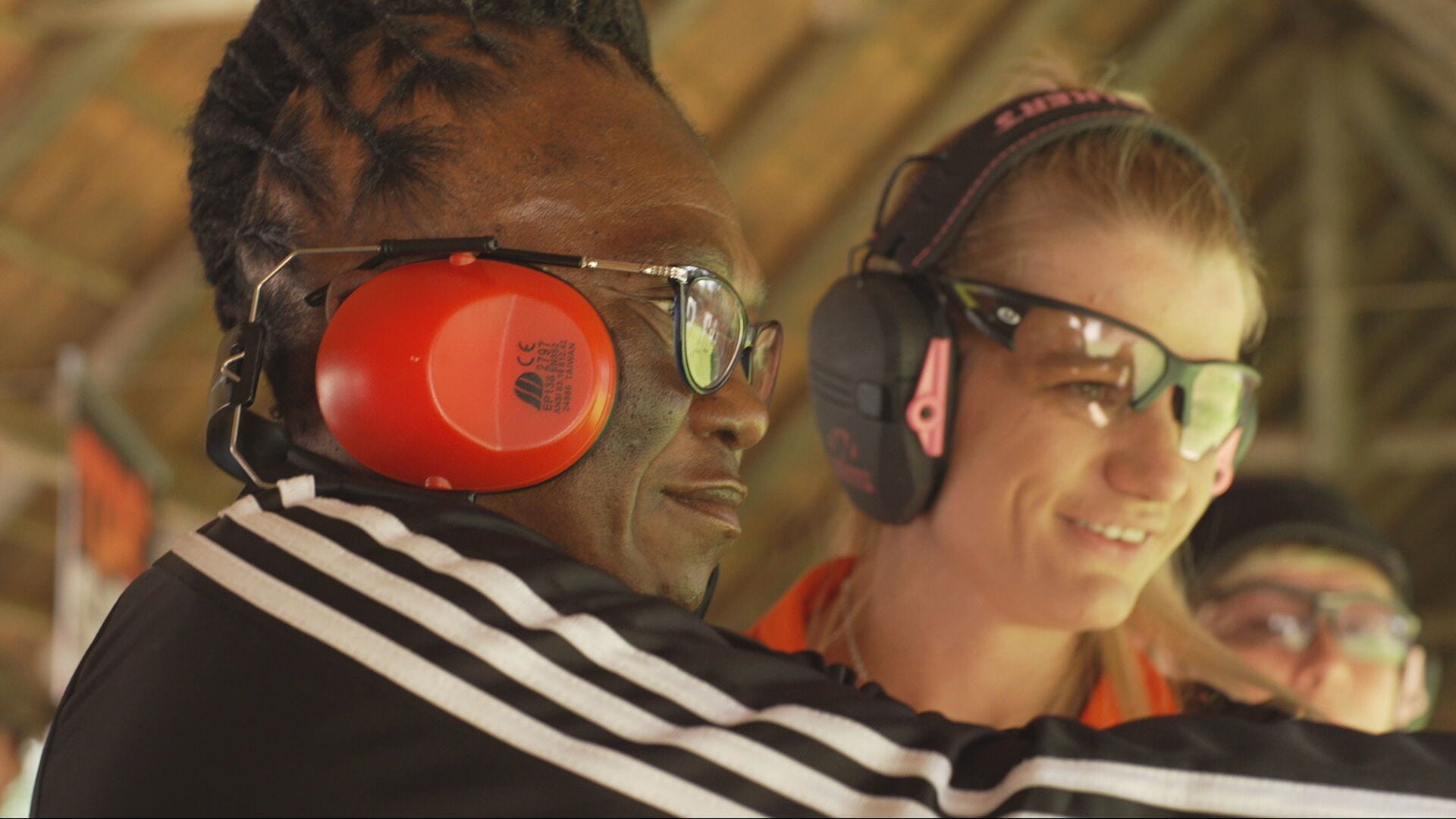
Lindiwe Zitha, pictured above, was one of them. “Every minute, every hour, every second, a woman is strangled,” she said. “‘Till when? Till when this mustn’t happen to us?”
South Africa has officially declared gender-based violence and femicide a national disaster – an acknowledgement that violence against women has reached devastating proportions.
For many women here, the threat is constant. Violence cuts across every community, from townships to the gated estates of the wealthy.
The numbers paint a grim picture. One in three women will experience physical or sexual violence in their lifetime. At least 15 women are killed every single day.
Lindiwe lives in Mamelodi township. In 2022, her former boyfriend tried to kill her by setting her on fire. She remembers the attack in fragments.
“I was pushing the door. He said I must open it. I didn’t see the petrol. Then he lit … the fire caught me. We were fighting while I was burning. So, I fell down and he took the five-litre bottle and doused me. The pain… it was terrible. He tried four times to kill me,” she said.
For women like Lindiwe, taking responsibility for their own safety has become less a political statement than a matter of survival.
At a shooting range outside Pretoria, women are taught the legal responsibilities of gun ownership. They learn situational awareness, how to identify threats, when to avoid confrontation and, ultimately, when deadly force becomes unavoidable.
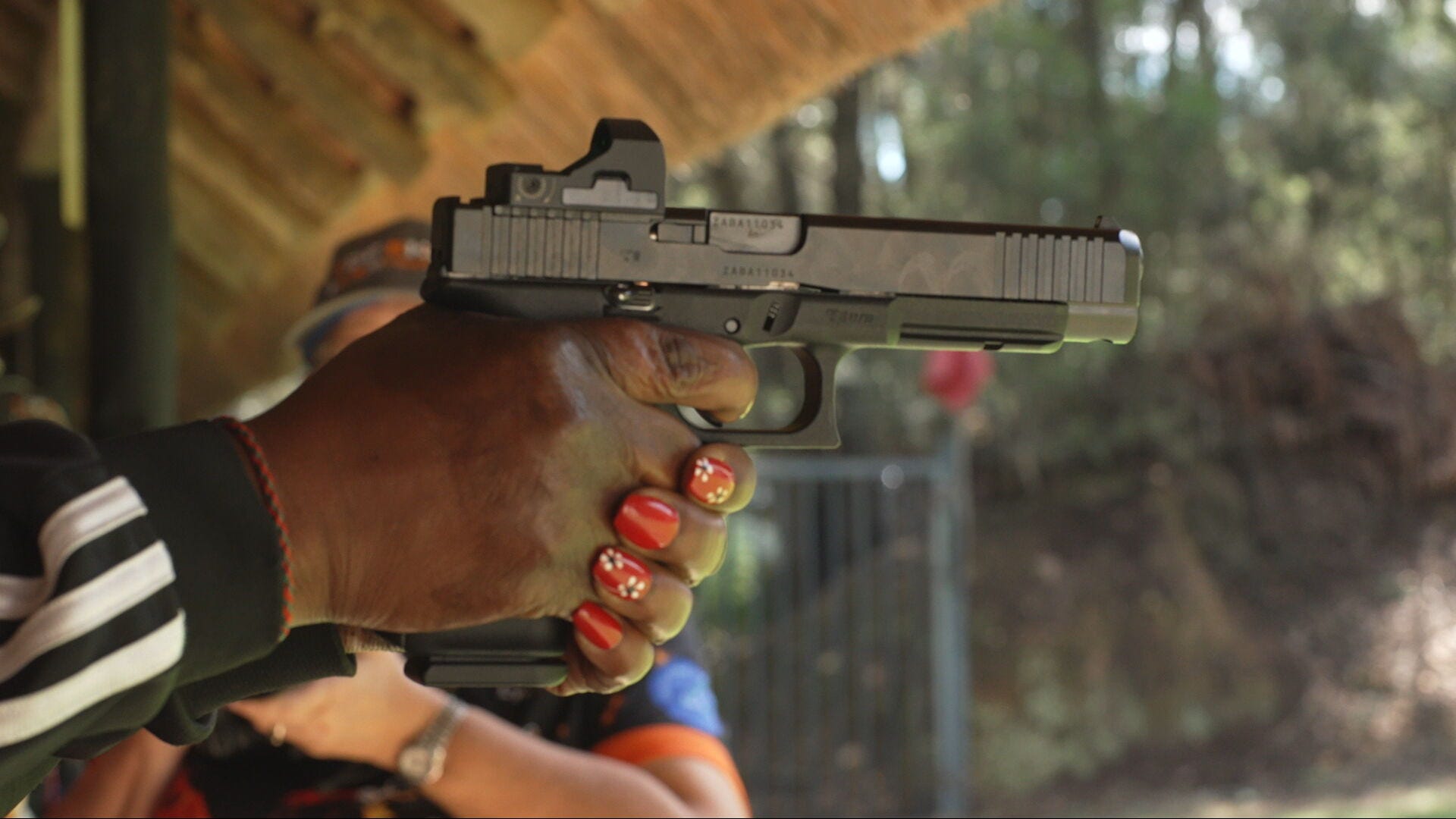
Instructors guide them through the basics of handgun use before live-fire training begins.
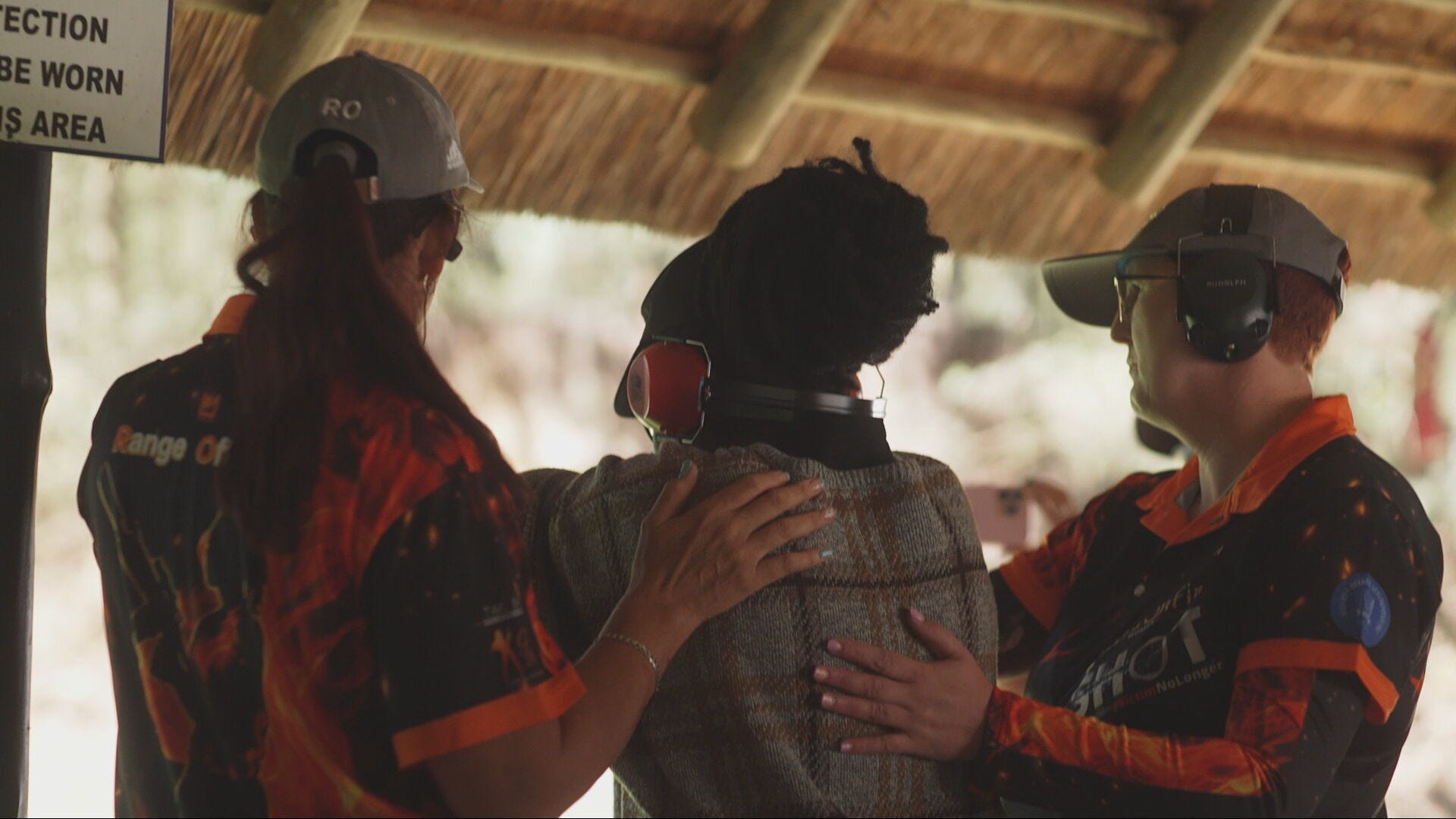
Lindiwe had never held a gun before. But this, she insists, is not about aggression. It is about reclaiming control.
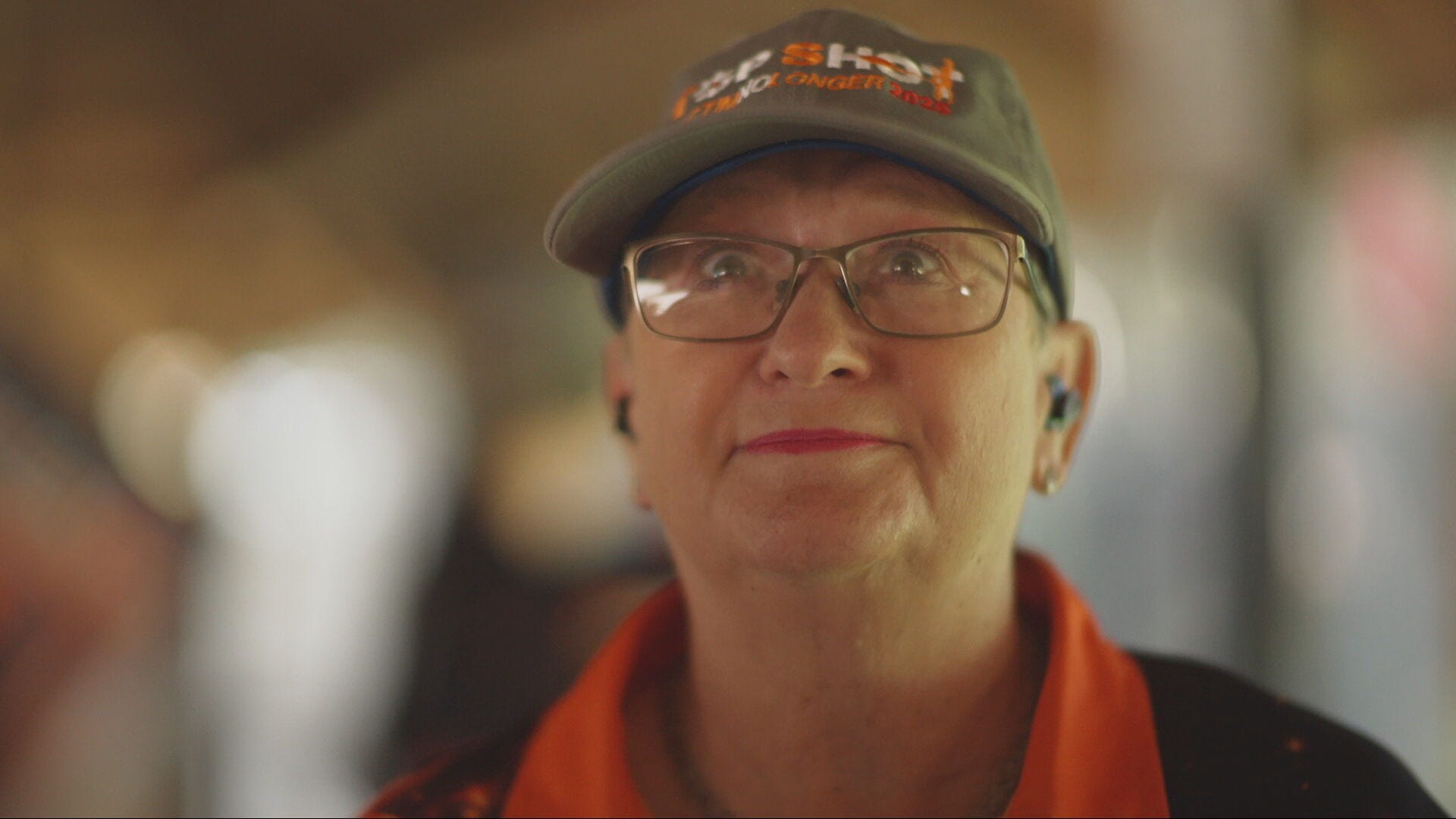
Lynette Oxley, pictured below, and the founder of Girls on Fire, says the training is about far more than weapons.
“It’s really important, for me, for women not to feel like second-class citizens,” she said.
“So you want more women to be armed?” I asked her.
“It’s more than that,” she replied. “Much more than that. I want women to feel empowered.”
Critics argue that meeting violence with violence risks deepening the crisis. Oxley rejects that.
“So you want me to be killed? Maimed? And be in the grave?” she said.

Trump, South Africa, and the myth of ‘white genocide’
“Being in a violent country. We don’t promote violence. We say avoid as far as possible. But if you have no options, I would rather be alive, and not maimed, and not raped, than being dead. That’s it.”
South African police say they are increasing efforts to tackle violence against women. We accompanied officers as they patrol nightlife districts, targeting drunk and drug-impaired drivers – factors often linked to violent crime.
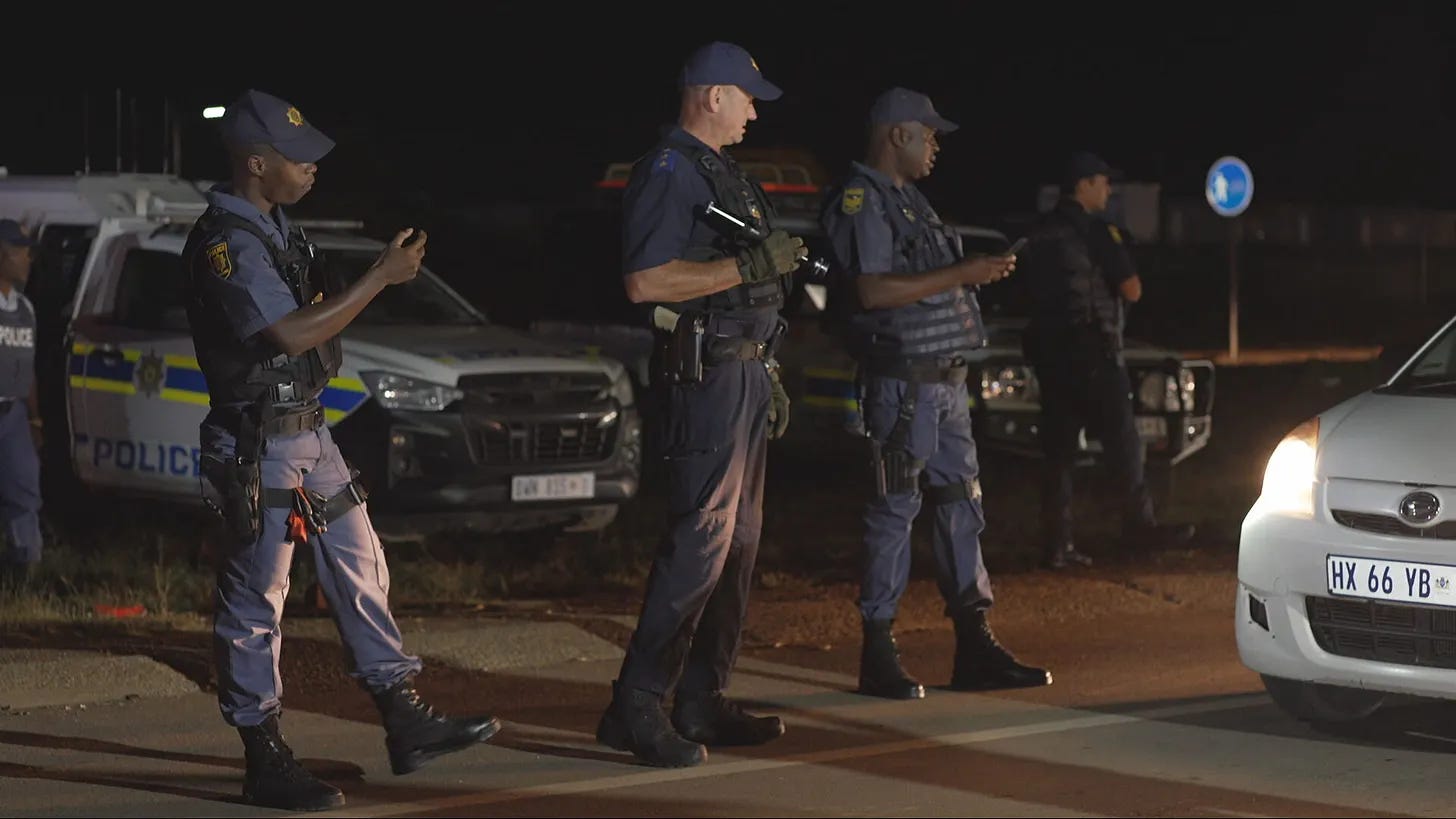
But much of the violence happens behind closed doors.
I asked Lieutenant General Tommy Mthombeni, Gauteng Police Commissioner, pictured below, why the authorities have failed to protect women.
“Yes, of course we are primarily responsible for preventing the crime,” he replied.
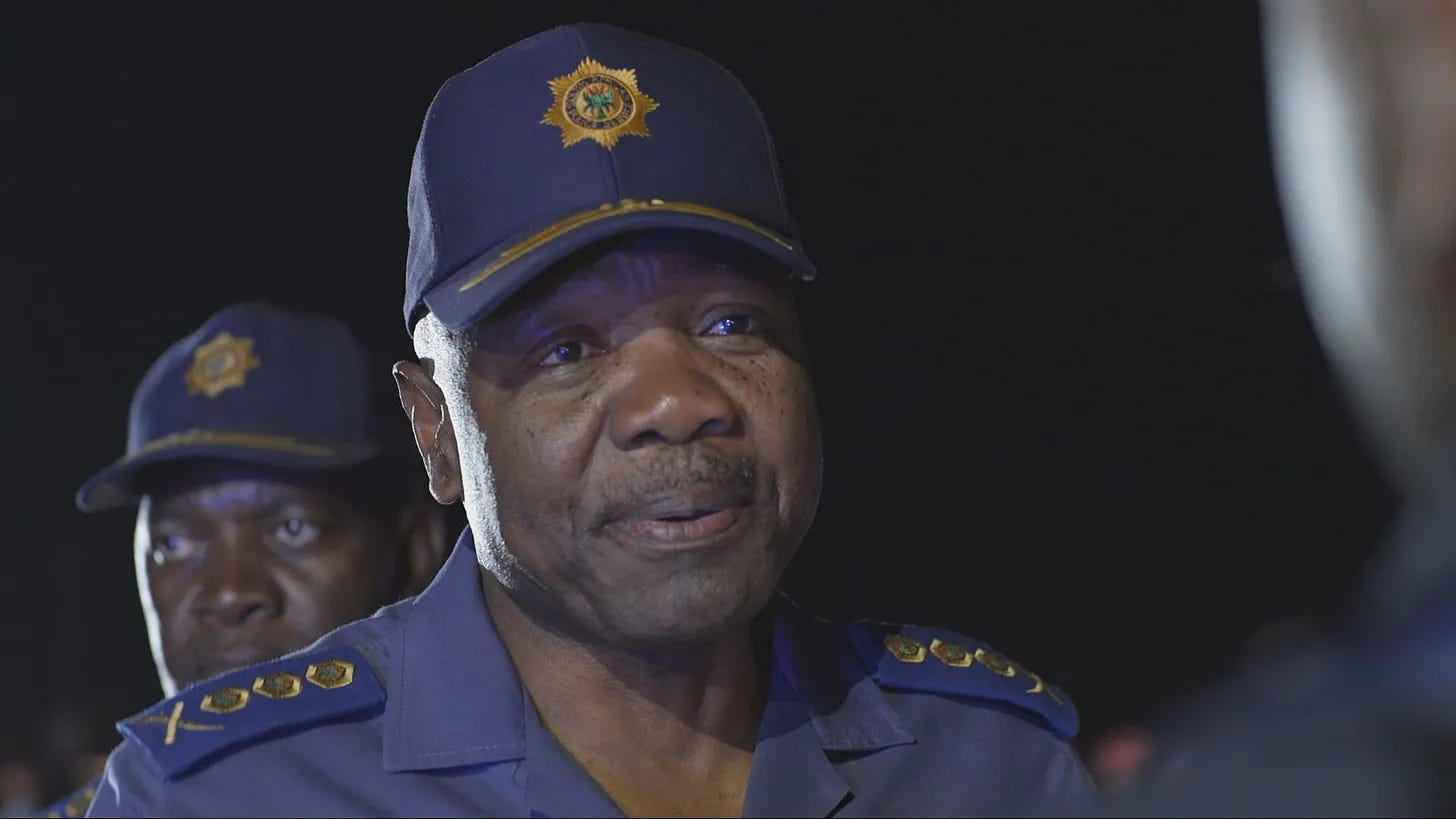
“But this crime is you and your fiancé, you are in your house and these activities do happen. How on earth do you expect the police to put preventative measures inside a house. We have to work closely together within the communities. Dealing with gender-based violence and femicide is a collective effort.”
But for many women, the roots of the crisis run far deeper than policing. They speak of a culture where violence against women has become normalised, woven into daily life and reinforced by silence.
In townships and rural communities, women have formed informal protection groups. Some patrol neighbourhoods at night. They blow whistles, bang on doors and intervene in domestic disputes before they turn deadly.
It is an improvised safety net in a country where many feel the formal one has failed.
For Lindiwe, pictured below, even stepping outside after dark once felt impossible.
“Now I have flashbacks,” she said. “I’m scared. I can’t go out at night, especially into the street.”
Her attacker, badly injured in the fire he started, later died in hospital. But death has not ended her fear.
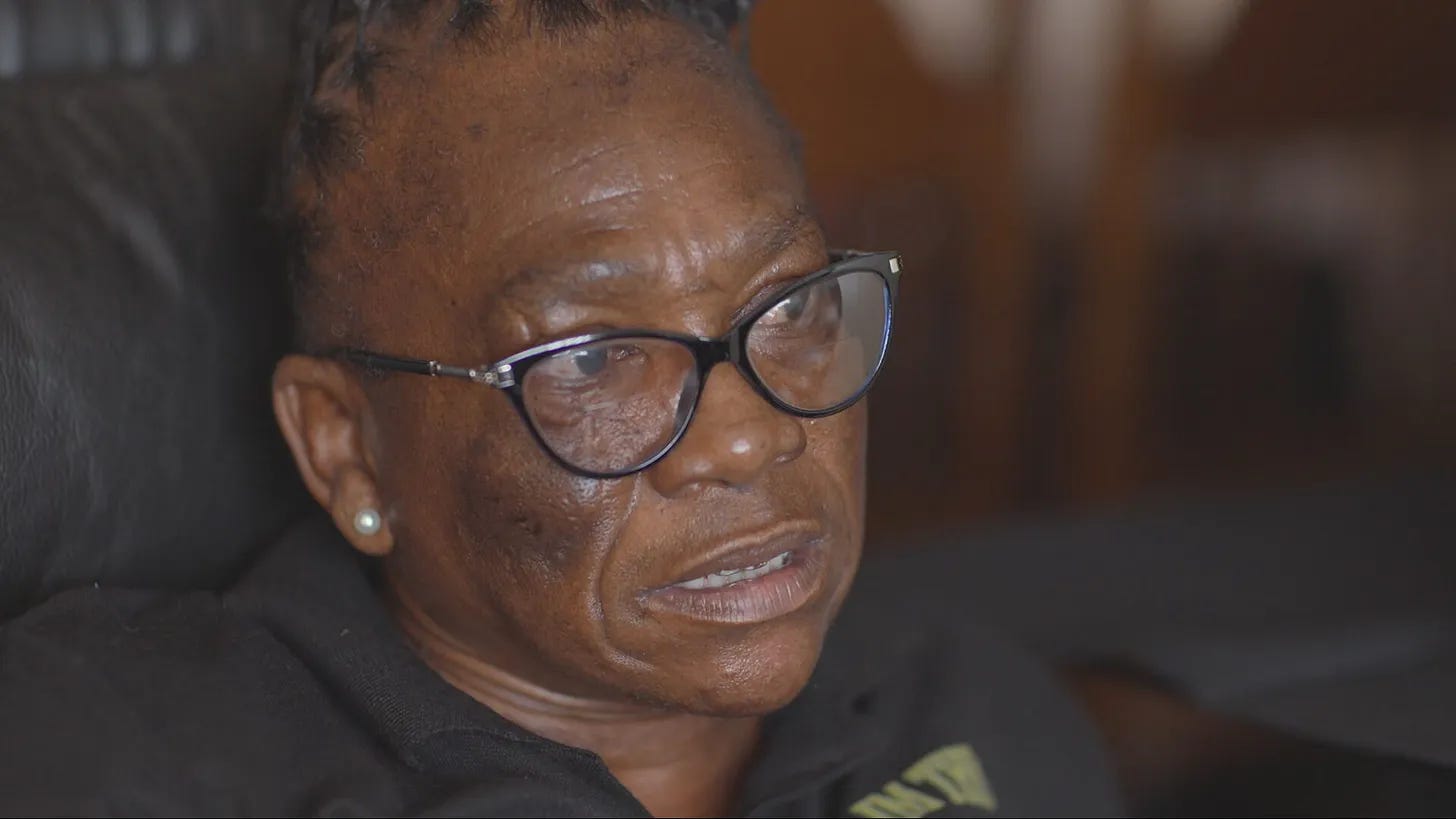
“He passed away while I was still in hospital,” she said quietly.
“But honestly, sometimes I still feel like he’s alive. Like maybe I will see him somewhere in the street.”
The trauma lingers long after the violence itself.
“I still have flashbacks,” she said. “And it’s hard for me.”
I asked her the question at the heart of this debate. If you carry a gun for self-defence, you have to be prepared to shoot someone.
“I don’t think I can kill someone,” she said with a long pause.
But if it’s “to protect myself, then I have to kill the bastard. Then, yes, I will.”
If you or anyone you know has been affected by the issues raised in this report you can find places to seek help at Channel4.com/support
