


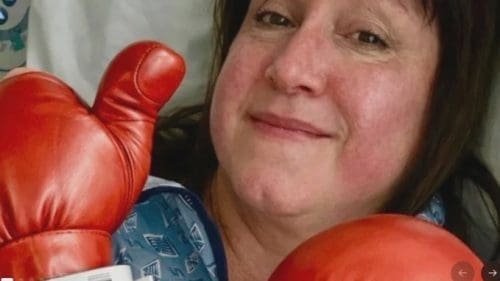
Jenn Ashcraft, 60, an Arizona woman who survived both the 1993 World Trade Center bombing and the September 11 attacks, now lies in a hospital bed battling a severe autoimmune disorder that a key federal health programme does not yet cover.
Ashcraft was present at the World Trade Center in New York City when a bomb detonated below the north tower in February 1993. She was there again on September 11, 2001, watching the first plane strike before the towers fell. Two decades later, she moved to Prescott, Arizona, and channelled her trauma into volunteering for the American Red Cross, eventually marrying Tom Ashcraft, whose son was among the 19 Granite Mountain Hotshots killed in the 2013 Yarnell Hill Fire.
Her health has deteriorated sharply in recent weeks. Her skin broke out in a systemic attack, her cuticles began bleeding, and doctors determined her immune system had turned against her own body. Physicians placed her on antibody replacement therapy in an effort to stabilise her condition.
The World Trade Center Health Program (WTCHP), the federal scheme providing medical coverage for survivors and first responders with conditions linked to the attacks, does not currently recognise autoimmune diseases. Petitions to expand the programme’s list of covered conditions are underway, but Ashcraft and others in similar situations remain in a holding pattern, unable to access dedicated support while their cases are reviewed.
Her story has drawn attention to a broader gap: hundreds of survivors continue managing serious health consequences from events they cannot un-experience, often without the institutional support their histories warrant.
“We shouldn’t go through this alone,” Ashcraft said.
She has lived with health complications for three decades, a timeline that advocates say underscores the long-latency nature of trauma-related illness and strengthens the case for expanding the programme’s scope. For now, Ashcraft said she hopes her hospitalisation gives other survivors the visibility and solidarity they have lacked.
