


Uganda has secured extra influence over the operations of Kenya’s main fuel pipeline company after buying a major stake in it earlier this year.
The Kenya Pipeline Company (KPC) moves most of Uganda’s imported fuel from Mombasa inland. Under changes to the company’s rules, according to reports from Kenyan media, Uganda now has a formal voice in key decisions, including who runs the firm, how much it charges to move fuel, and how it pays dividends.
Kenya media also reported that KPC directors were divided over Uganda’s role in hiring the CEO. This comes as KPC looks for a new managing director after Joe Sang resigned amid a fuel supply scandal.
Uganda bought the shares through the Uganda National Oil Company (UNOC) during KPC’s initial public offering, which ended in February 2026. The government paid about sh915b for a stake of around 20%.
In return, Kenya agreed to give Uganda two seats on the board and approval rights on several important matters.
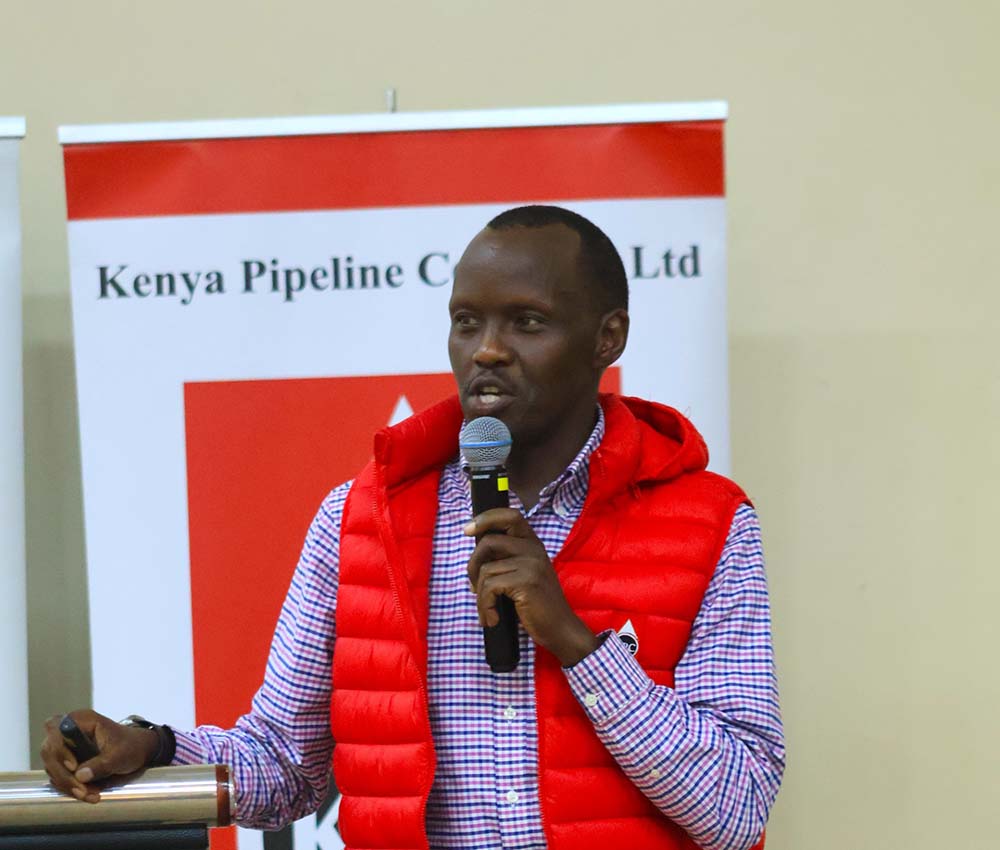
Joe Sang , former KPC CEO while in Uganda ahead of the firms IPO.
These include: Hiring and firing the chief executive, changes to transport tariffs, dividend policy, employee restructuring plans in the first three years after the listing, issuing new shares, and altering the company’s articles of association.
The amended rules state that certain decisions need approval from both a Kenyan National Treasury director and a Government of Uganda director.
In February, Irene Batebe, permanent secretary at Ministry of Energy and Mineral Development, noted recently that the company’s articles of association give the government comfort regarding operations of KPC.
KPC runs a network of pipelines and storage facilities that handles the bulk of petroleum products heading to Uganda, Rwanda, and parts of eastern DRC. Tariffs set by Kenya’s energy regulator directly affect what Ugandans pay at the pump.
The company reported revenues of sh38.5b in the year to June 2025.
The stake also gives Uganda protection against any future moves that could water down its ownership. Reports at the time noted that Uganda pushed for these safeguards precisely because the pipeline is so central to the country’s fuel imports.
