


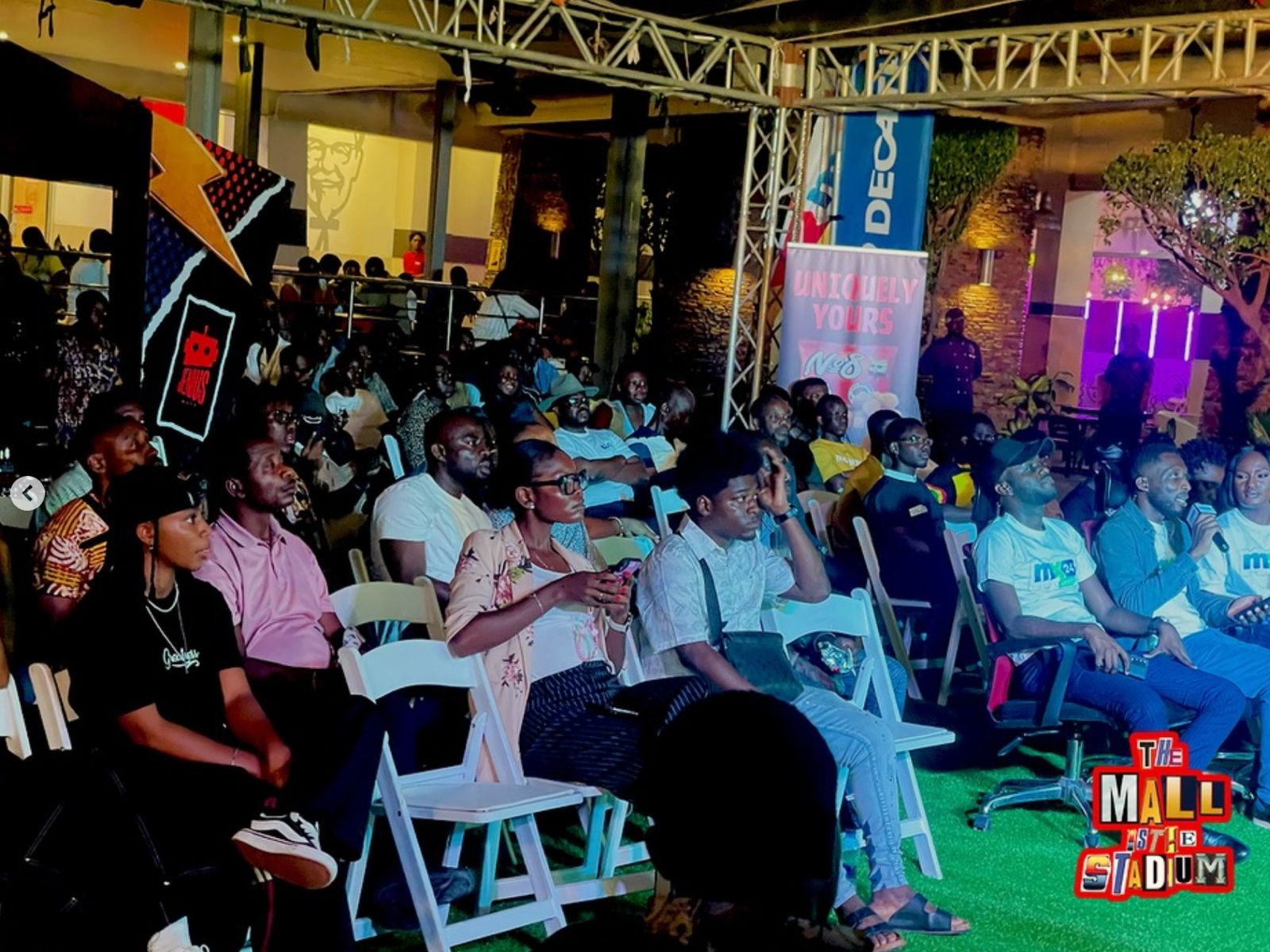
In an era where consumerism and entertainment increasingly intersect, Ghana’s bustling malls are transcending their traditional roles as mere retail spaces. A bold new trend is emerging—one where these architectural marvels are being transformed into ultimate fan zones, blending the excitement of live events with the convenience of shopping. This shift is not only redefining how Ghanaians engage with entertainment but also positioning malls as versatile hubs for community interaction, cultural expression, and economic stimulation.
The Rise of the Mall as a Spectator Arena
Ghana’s urban malls—such as City Mall, Westfield Accra, and the newly inaugurated Mall of Africa—have long been destinations for shopping, dining, and socializing. However, recent innovations have pushed these spaces into uncharted territory by hosting large-scale fan experiences that rival traditional stadiums. The concept, dubbed “The Mall is the Stadium,” reflects a strategic pivot toward multi-functional entertainment, where malls become the epicenter for everything from sports viewing to live music, fashion shows, and even esports tournaments.
This evolution is driven by several key factors:
1. Limited Stadium Capacity – With Ghana’s growing population and the surge in popularity of events like the African Cup of Nations (AFCON) and Premier League matches, traditional stadiums often struggle to accommodate the demand. Malls, with their expansive floor plans and flexible layouts, offer a scalable alternative that can host thousands without the logistical constraints of fixed-seating venues.
2. Hybrid Experiences – Modern consumers crave immersive, multi-sensory experiences. Malls are uniquely positioned to deliver this by combining high-definition screens, interactive displays, and themed zones that enhance the viewing or event experience. For instance, during major football matches, fans can now enjoy giant LED screens, VIP lounges, and themed food stalls—all within the same space where they might also shop for merchandise.
3. Economic and Social Synergy – By hosting events, malls attract foot traffic beyond typical shopping hours, boosting revenue for retailers, restaurants, and service providers. Additionally, these gatherings foster community bonding, turning malls into third places—neither home nor workplace—where people congregate for shared experiences.
Case Studies: Ghana’s Malls Leading the Charge
Several malls across the country have already embraced this trend, each implementing unique strategies to maximize fan engagement:
1. City Mall, Accra: The Ultimate AFCON Viewing Party
During the 2023 AFCON qualifiers, City Mall transformed into a dedicated fan zone with:
– Multiple high-definition screens displaying matches in real-time, allowing fans to watch even if they couldn’t secure tickets to stadiums like Baba Yara Stadium.
– Themed food courts serving Black Star-inspired dishes (e.g., “Ghanaian Jerk Wings” and “African Football Pasta”) to keep energy levels high.
– Interactive fan zones where supporters could vote for player performances, participate in live polls, and even try on team jerseys from Ghana’s national squad.
– Live entertainment featuring Afrobeats performances and drumming circles to keep the atmosphere lively.
The event drew over 15,000 attendees in a single day, proving that malls can compete with—and even surpass—traditional stadiums in terms of fan experience.
2. Westfield Accra: Esports and Gaming Tournaments
Recognizing the booming esports industry in Ghana, Westfield Accra has hosted gaming tournaments where players compete in FIFA, League of Legends, and Dota 2 on professional-grade setups. The mall’s gaming lounge features:
– Espresso bars for late-night sessions.
– Live commentary streams with local esports analysts.
– Prize giveaways sponsored by tech brands, including gaming laptops and VR headsets.
This initiative has attracted a younger demographic, positioning Westfield as a go-to destination for digital entertainment beyond traditional shopping.
3. Mall of Africa: Fashion Shows and Pop Culture Events
The Mall of Africa in Accra has taken a different approach by hosting high-profile fashion shows and pop culture events. For example:
– Ghana Fashion Week has been held within the mall’s grand atrium, allowing designers to showcase their work to a live audience of 3,000+ attendees.
– Live music concerts by African superstars (e.g., Burna Boy, Wizkid, and Davido) have been staged in the mall’s open-air plaza, blending retail and entertainment seamlessly.
– Fan meet-and-greets with celebrities, where attendees can get autographs, take photos, and purchase exclusive merchandise—all while shopping for other items in the mall.
This approach elevates the mall’s status as a cultural landmark, attracting both local and international visitors.
The Future: What’s Next for Ghana’s Mall Entertainment?
The success of these initiatives suggests that malls in Ghana are only scratching the surface of their potential as entertainment hubs. Industry experts predict several innovative trends that could further solidify this shift:
1. Virtual Reality (VR) Fan Experiences
Malls may soon integrate VR technology to allow fans to experience matches or concerts as if they were at the venue. For instance:
– VR stadium tours where attendees can “walk” through Baba Yara Stadium before a match.
– Immersive music concerts where fans can feel the rhythm through haptic feedback while watching live performances.
2. AI-Powered Personalization
Artificial intelligence could enhance the fan experience by:
– Recommending merchandise based on viewing preferences (e.g., if a fan watches a lot of Black Stars matches, the mall’s app suggests team jerseys or memorabilia).
– Dynamic pricing for event tickets, ensuring last-minute availability without overcrowding.
3. Sustainable and Inclusive Events
Future mall events may emphasize sustainability and inclusivity, such as:
– Eco-friendly fan zones with recycling stations and solar-powered screens.
– Accessibility features for people with disabilities, ensuring wheelchair-friendly seating and sign language interpreters for live events.
4. Corporate and Brand Partnerships
Malls are likely to collaborate with brands to create exclusive fan experiences, such as:
– Sponsored fan challenges (e.g., “Guess the Next AFCON Goal” with prizes from MTN or Vodafone).
– Limited-edition merchandise drops tied to live events, driving urgent purchases from excited fans.
Challenges and Considerations
While the mall-as-stadium concept holds immense promise, it also comes with logistical and operational challenges:
– Space Management – Balancing retail operations, events, and crowd control requires careful planning to avoid congestion.
– Security and Safety – Large gatherings necessitate enhanced security measures, including CCTV surveillance, emergency exits, and trained staff.
– Cost Implications – Hosting high-profile events can be expensive, requiring sponsorships, partnerships, and government incentives to remain viable.
– Competition with Traditional Venues – Some argue that stadiums still hold a sentimental value that malls cannot replicate, meaning hybrid models (where malls complement, rather than replace, stadiums) may be the most sustainable approach.
Why This Matters for Ghana’s Economy and Culture
The transformation of Ghana’s malls into ultimate fan zones is more than just a trend—it’s a cultural and economic shift with far-reaching implications:
– Boosting Local Economies – By attracting thousands of visitors per event, malls stimulate spending on food, drinks, souvenirs, and services, benefiting small businesses and vendors.
– Strengthening National Pride – Events like AFCON viewings foster patriotism and unity, reinforcing Ghana’s identity as a sports powerhouse.
– Positioning Ghana as a Regional Entertainment Hub – If successful, this model could attract international events, making Ghana a destination for fans and tourists alike.
– Redefining Urban Spaces – Malls are no longer just places to shop but dynamic, living communities where entertainment, culture, and commerce intersect.
Conclusion: The Mall as the New Stadium
Ghana’s malls are redefining the boundaries of entertainment, proving that retail spaces can be so much more than shopping destinations. By embracing the “mall is the stadium” philosophy, these venues are creating unforgettable experiences that blend convenience, excitement, and community.
As the trend gains momentum, it’s clear that the future of spectator culture in Ghana lies not just in stadiums, but in the very places where people already gather—our malls. Whether it’s watching the Black Stars score a last-minute winner, competing in an esports tournament, or attending a live fashion show, one thing is certain: Ghana’s malls are becoming the ultimate fan zones.
For businesses, event organizers, and urban planners, the message is clear—the mall experience is evolving, and those who adapt will lead the way in shaping the next generation of entertainment.
