


By Dennis Peprah
Fiapre (Bono), May 28, GNA — The Sunyani Adolescent Parliament (SAP) has called for increased investment in creating safe spaces and promoting adolescent wellbeing to enhance the inclusion of young people in governance and development processes.
The SAP, a youth-led policy and advocacy group, was established by the Global Media Foundation (GloMeF) and its local partners under the Resilient City for Adolescents (RCA) Project to empower young people to influence local governance and demand accountability.
The Parliament comprises 19 democratically elected adolescent Members of Parliament who represent constituencies, draft manifestos, and participate in formal parliamentary procedures.
Master Daniel Frimpong Sarkodie, “Speaker” of the SAP, said many adolescents previously felt disconnected from decision-making processes and believed that governance, policy discussions, and development planning were the preserve of adults.
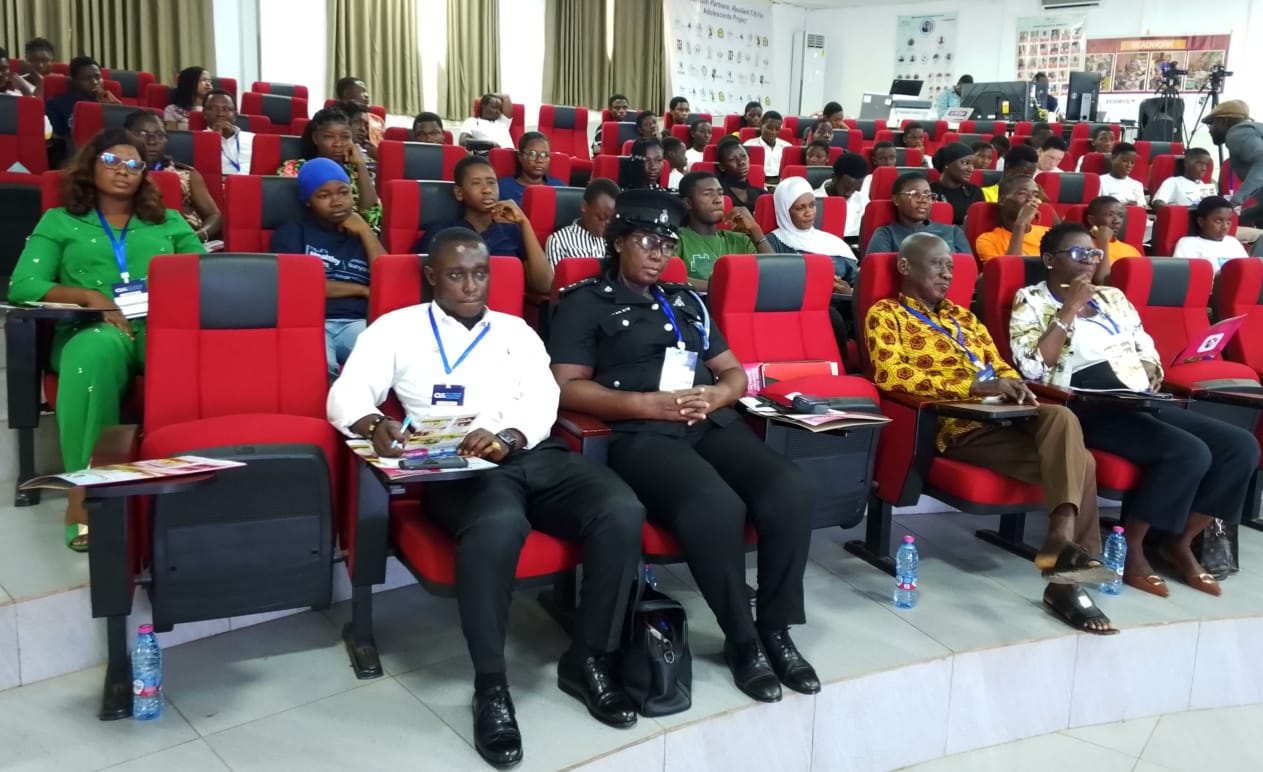
He was speaking at the close-out and learning summit of the three-year RCA Project at Fiapre in the Sunyani West Municipality, and urged the nation to listen to and integrate the voices and needs of adolescents into decision-making processes.
Master Sarkodie commended GloMeF and its partners, saying: “Today is a celebration of a journey that gave adolescents in Sunyani a voice, a platform, and the confidence to participate in shaping the future of our communities and city.”
He also expressed appreciation to the consortium partners of the Healthy Cities for Adolescents Initiative, Fondation Botnar, Ecorys United Kingdom, the Sunyani and Sunyani West Municipal Assemblies, and other stakeholders for the successful execution of the project.
“Before the RCA Project, many adolescents felt disconnected from decision-making processes, but now through the SAP and the different platforms created under the project, we have learned that our voices matter, our ideas matter, and our participation matters,” he stated.
Master Sarkodie noted that the project had transformed their perception of their roles in society, equipping them with leadership, public speaking, advocacy, communication, accountability, and teamwork skills.
He said the SAP provided a platform to discuss issues affecting young people, including education, safe spaces, sanitation, adolescent wellbeing, unemployment, and youth participation in governance.
“We also had the opportunity to engage directly with duty bearers, community leaders, and city authorities through parliamentary sittings and community forums.
“The great lesson we learnt from the project is that adolescents aren’t only beneficiaries of development, but also active partners in building healthy, safe, and resilient cities.”
Master Sarkodie further indicated that many participants acquired employable skills in areas such as fashion design, ICT, hairdressing, baking, beading, and soap making.
“As this phase of the project comes to an end, we want to encourage all stakeholders not to allow the momentum to stop here and we hope to see the structures, platforms, and systems established through this project continue to grow and be strengthened,” Master Sarkodie urged.
Earlier in a welcoming address, Mr Raphael Godlove Ahenu, Chief Executive Officer of GloMeF, commended families, volunteers, teachers, health workers, and community leaders for their contributions to the success of the project.
He noted that the wellbeing, empowerment, and resilience of adolescents were critical to national development, but expressed concern about ongoing challenges such as limited access to quality education, unemployment, inadequate healthcare, climate vulnerability, social exclusion, gender inequality, and mental health issues.
“These challenges threaten not only the future of young people but also the sustainable development of our communities,” he said.
Mr Ahenu explained that the RCA Project was designed to address these issues by promoting youth participation, improving awareness of adolescent health and wellbeing, strengthening community engagement, and fostering social inclusion.
“Over the course of the project implementation, we have witnessed remarkable achievements and inspiring stories of transformation,” he stated, adding that adolescents and young people had gained knowledge, confidence, leadership skills, and platforms to voice their concerns and contribute to issues affecting their lives and communities.
“Importantly, this project has demonstrated that when young people are given the opportunity, support, and enabling environment, they become powerful agents of change as their creativity, innovation, energy, and determination continue to inspire us all.”
Mr Ahenu called for sustained investment in policies and programmes that prioritise adolescent wellbeing, education, health, employment, climate resilience, and civic participation.
He urged government institutions, development partners, civil society organisations, private sector actors, and community leaders to continue supporting youth-centred initiatives.
“Together, we can build resilient, inclusive, peaceful, and sustainable cities where every adolescent has the opportunity to thrive and realize their full potential,” Mr Ahenu added.
GNA
Edited by Lydia Kukua Asamoah
Reporter: Dennis Peprah
[email protected]
