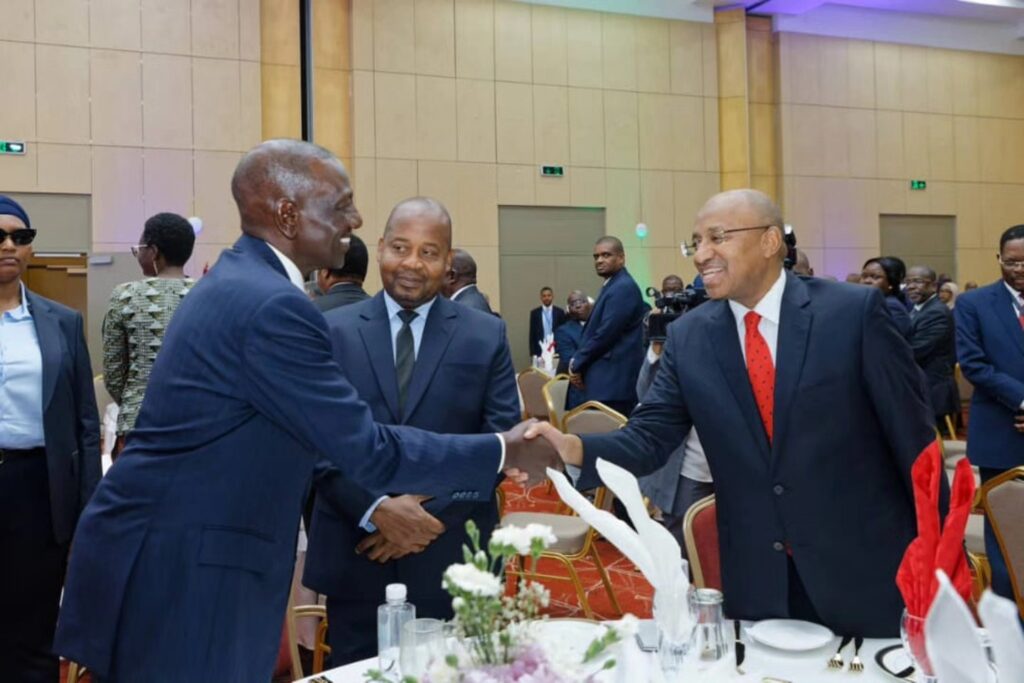
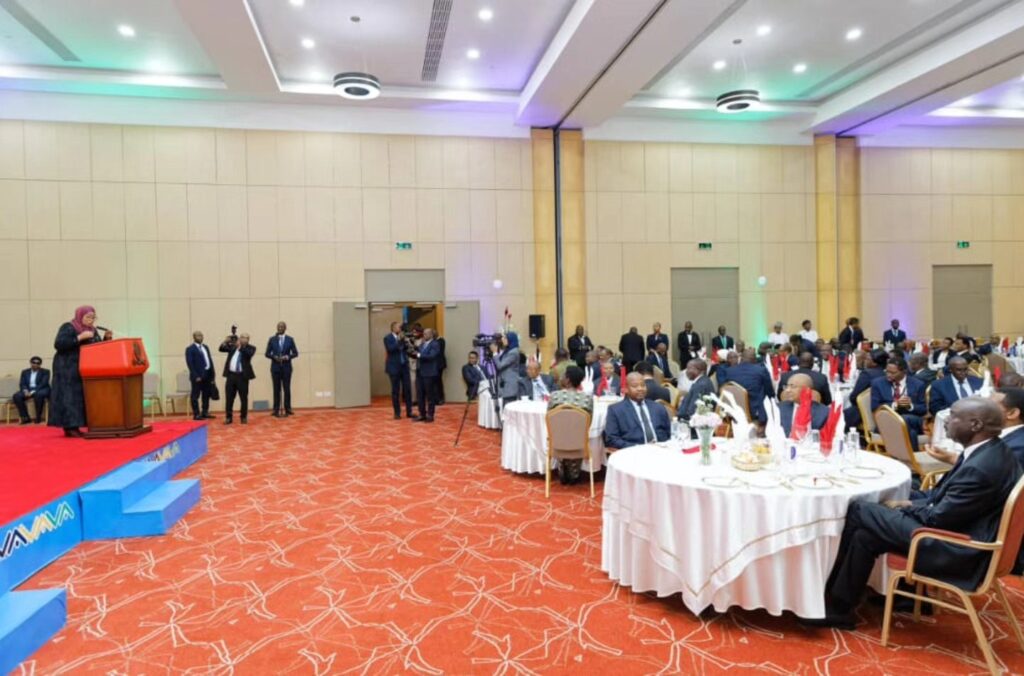
Dar es Salaam. The Tanzania–Kenya Business Forum held here in the city on Monday, May 4, 2026 concluded with investment and commercial commitments estimated at about $500 million, as the two countries moved to deepen economic integration and expand private sector participation in regional trade.
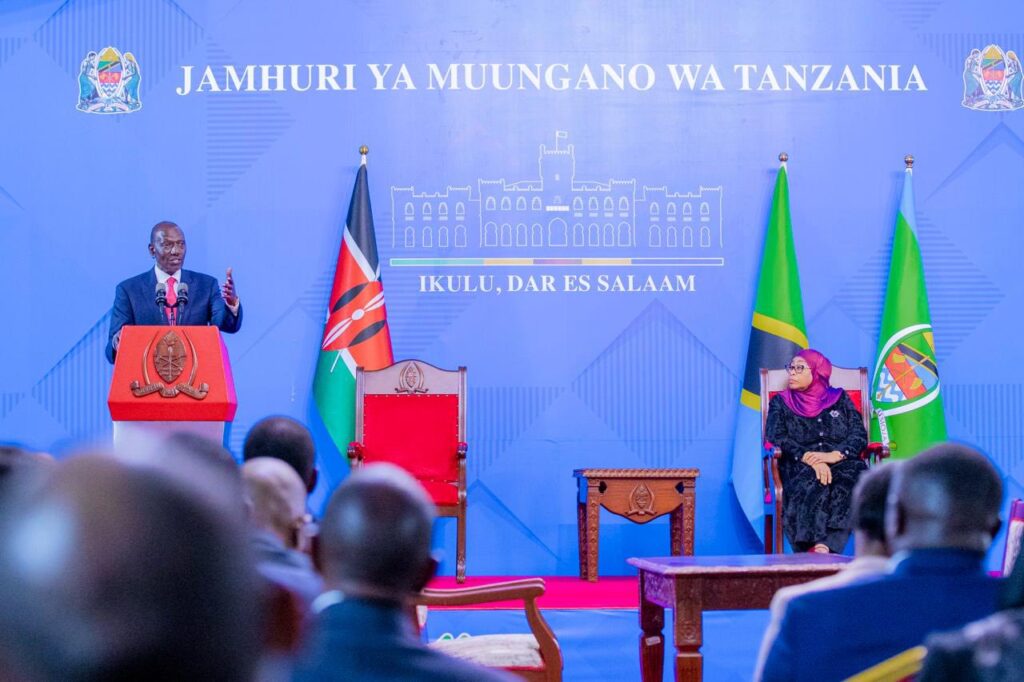
The forum, held at the Julius Nyerere International Convention Centre, ran alongside the state visit of Kenyan President William Ruto.
It brought together senior government officials, investors and business leaders from both countries, with a focus on strengthening cross-border trade, improving infrastructure connectivity and unlocking new investment opportunities.
Officials said the meeting facilitated more than 200 business-to-business engagements between Tanzanian and Kenyan firms.
These discussions are expected to produce at least 20 formal commercial agreements in sectors including infrastructure, energy, manufacturing, agriculture, logistics and digital services.
The forum comes at a time when bilateral trade between the two countries has already surpassed $1 billion annually, reflecting deepening economic interdependence within the East African region.
Push for deeper integration
Speaking during the forum, business leaders urged Tanzania and Kenya to move beyond traditional bilateral trade arrangements and instead pursue a more integrated economic model capable of supporting large-scale investment and industrial growth.
Tanzanian businessman Rostam Aziz said the region needed to rethink its economic architecture to match global competitiveness.
He argued that fragmented markets were limiting the scale required to attract major investors and called for stronger alignment between the two economies.
He noted that both countries already share strong commercial linkages, but said greater coordination in policy, infrastructure and regulation would significantly improve productivity and trade efficiency.
Kenyan and Tanzanian private sector representatives echoed similar sentiments, calling for faster removal of remaining non-tariff barriers, simplified customs procedures and harmonised trade regulations under the East African Community framework.
Infrastructure and connectivity at centre stage
A major focus of the forum was transport and logistics infrastructure, particularly the need to strengthen rail, road and port connectivity between the two countries.
Kenya Railways Corporation managing director, Philip Mainga, said restoring efficient rail connectivity between Mombasa and Dar es Salaam corridors was essential for reducing the cost of transporting goods across the region.
He noted that the historic railway link between the two countries had been disrupted for years, affecting cargo movement and regional competitiveness.
Participants also discussed port efficiency and cargo handling systems, with emphasis on improving turnaround times at Dar es Salaam and Mombasa ports to support growing trade volumes.
Energy cooperation also featured prominently, with discussions centred on cross-border electricity trade and joint investment in power infrastructure.
Officials said reliable and affordable energy was critical to supporting industrial expansion and manufacturing growth in both countries.
Trade performance and economic potential
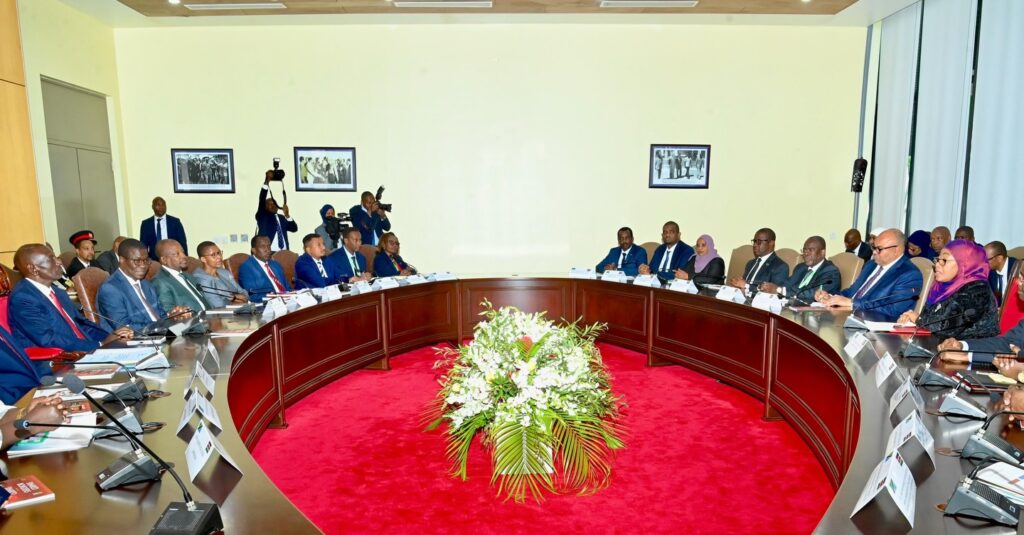
Officials at the forum highlighted that Tanzania and Kenya remain among the largest trading partners within the East African Community.
Kenya’s Principal Secretary for Foreign Affairs, Abraham Sing’Oei, noted that bilateral trade had already exceeded $1 billion, underscoring the scale of economic exchange between the two neighbours.
He said the figure demonstrated strong commercial foundations, but added that the potential for growth remained far higher if structural barriers were addressed and investment flows increased.
The two governments reaffirmed their commitment to removing non-tariff barriers that have long affected cross-border trade, including bureaucratic delays, taxation inconsistencies and regulatory differences.
Earlier technical engagements between the two countries had already resolved several trade bottlenecks affecting key commodities, particularly agricultural and manufactured goods.
Private sector-led growth agenda
The forum placed strong emphasis on the role of the private sector in driving economic transformation.
Officials said governments would increasingly focus on creating enabling environments, while businesses take the lead in investment and implementation.
More than 200 business-to-business meetings were held on the sidelines of the forum, covering sectors such as agro-processing, fintech, industrial parks, logistics services and export manufacturing.
Participants also explored opportunities in digital trade platforms, with a focus on expanding e-commerce and improving cross-border payment systems to support small and medium enterprises.
Investment agreements and outlook
Preliminary outcomes of the forum indicate that around 20 agreements are expected to be formalised following the discussions.
These include planned cooperation in rail transport development, port logistics modernisation, energy interconnection projects and ICT infrastructure expansion.
Investment facilitation frameworks were also discussed, aimed at easing entry for businesses operating across both markets and improving coordination in regulatory approvals.
Officials said the estimated $500 million worth of deals reflected both new commitments and expanded existing investments between Tanzanian and Kenyan firms.
Regional integration agenda
The forum is part of ongoing efforts to strengthen regional integration under the East African Community and the African Continental Free Trade Area frameworks.
Officials said the long-term objective is to build a seamless regional market that allows free movement of goods, services and capital, thereby reducing trade friction and improving competitiveness.
They emphasised that closer Tanzania–Kenya cooperation would serve as a key driver of regional economic stability and industrial development.
As the forum concluded, both sides expressed optimism that the agreements reached would translate into tangible projects, job creation and improved trade performance in the coming years.