


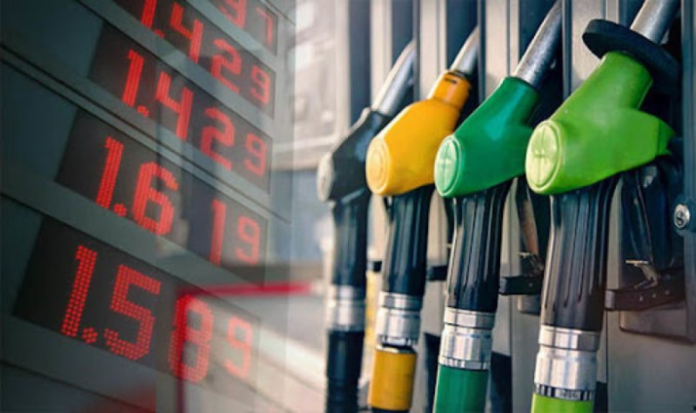
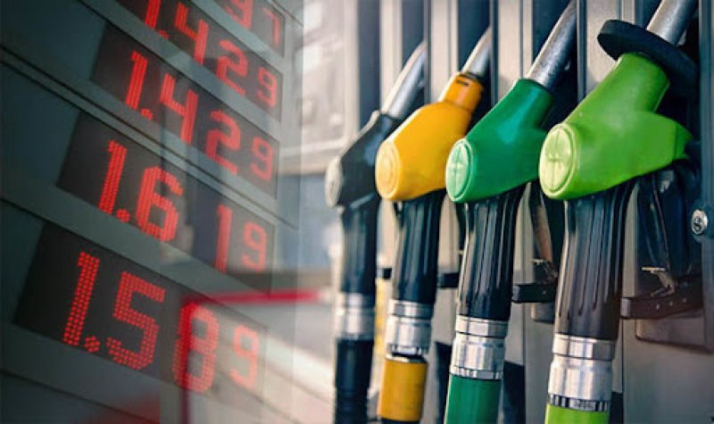
The government has confirmed the exact amounts it will absorb on fuel prices beginning Wednesday, with diesel to receive the larger share of relief as global oil costs remain elevated due to the Middle East conflict.
In a statement signed by Felix Kwakye Ofosu, the Spokesperson to the President and Minister for Government Communications, the government said it will absorb GH¢2.00 per litre of diesel and GH¢0.36 per litre of petrol during the next pricing window, effective April 16, 2026.
The Energy Ministry said the temporary reduction, approved by Cabinet, will remain in place for one month, during which authorities will monitor developments on the global oil market and determine whether further adjustments are necessary.
The ministry also disclosed that the intervention will result in a net loss of approximately GH¢200 million in revenue that would otherwise have accrued to government, describing it as “a necessary sacrifice to bring relief to the people of Ghana.”
The announcement follows weeks of mounting pressure on the Mahama administration after the National Petroleum Authority (NPA) set pump prices for the April 1 to 15 window at levels that caught consumers off guard. Petrol rose roughly 15 percent to GH¢13.30 per litre while diesel climbed approximately 19 percent to GH¢17.10 per litre, among the steepest fortnightly increases in recent years, driven by crude price surges linked to disruptions in the Strait of Hormuz.
Ghana imports about 70 percent of its refined fuel and is among several African nations absorbing the impact of price increases tied to the ongoing conflict in the Middle East.
The Cabinet directive, first announced on April 9 following an emergency meeting chaired by President John Dramani Mahama, had left the specific relief amounts undisclosed pending stakeholder consultations between the Finance and Energy Ministries. Wednesday’s statement resolves that uncertainty ahead of the pricing window opening Thursday.
The government said the intervention is designed to ease the cost burden on households, transport operators, and businesses, and that it will continue to assess whether the relief needs to be extended beyond the initial one-month period.
