

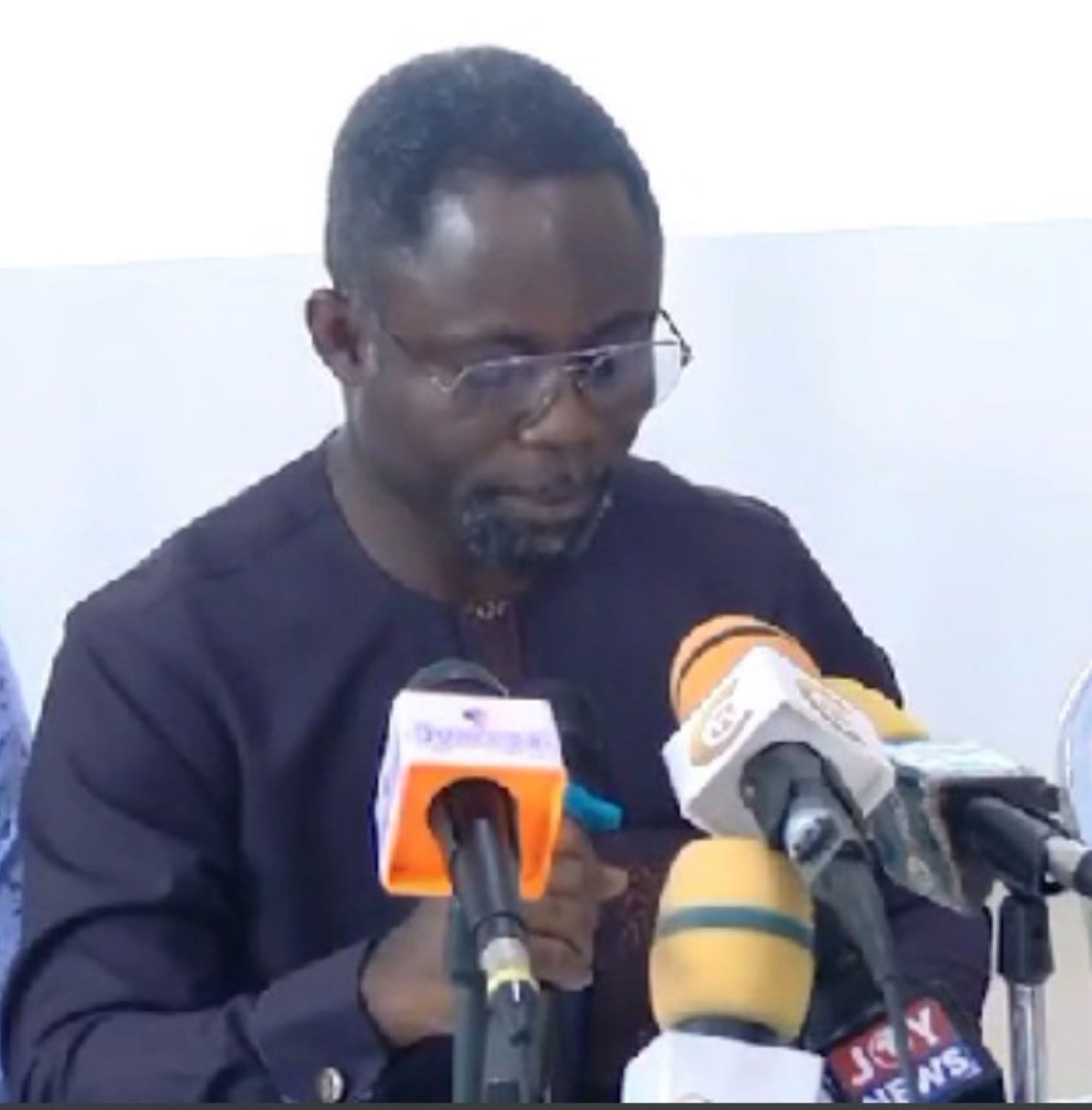
The Ministry of Health has concluded stakeholder consultations toward finalizing the Free Primary Healthcare policy, engaging media, civil society organizations in the health sector and development partners to gather input for effective implementation of the initiative expected to roll out in the first week of March 2026.
Health Minister Kwabena Mintah Akandoh described the consultations as a listening exercise aimed at gathering technical input from frontline health professionals to refine the policy ahead of its submission to Cabinet and Parliament for approval.
The Director of Policy, Planning, Monitoring and Evaluation (PPME) at the Ministry of Health, Dr Belinda Afriyie Nimako, said the policy builds on existing primary healthcare structures, including Community-based Health Planning and Services (CHPS) compounds, health centres, and the National Health Insurance Scheme (NHIS), while introducing reforms aimed at expanding access to essential health services.
The Free Primary Healthcare initiative is a major pledge outlined in the National Democratic Congress (NDC) party’s 2024 manifesto and is anchored in the Health Sector Medium-Term Development Plan covering 2025 to 2029.
An amount of GH¢1.5 billion has been earmarked for the initiative, which will focus on enhanced promotive and preventive care to ensure early detection and effective management of diseases, according to government budget allocations announced in November 2025.
The policy is expected to initially target deprived and underserved districts across the country, where access to healthcare remains a significant challenge due to infrastructure deficits, staffing shortages and financial barriers preventing many citizens from accessing medical services.
Currently, only about 56 percent of the population is enrolled in the NHIS, with many Ghanaians, especially from certain parts of the country, not covered by health insurance, the minister noted during earlier stakeholder engagements.
Under the new initiative, citizens will gain access to promotive, preventive and basic curative services at no cost, with the shift expected to reduce the number of severe cases that reach hospitals, especially those related to non-communicable diseases such as hypertension, diabetes and some cancers.
Primary healthcare currently accounts for nearly 80 percent of the country’s health needs, making it a critical area for investment, the Health Minister emphasized.
The 2026 national budget allocated GH¢34 billion to the health sector, representing a 9.4 percent increase over the 2023 budget and more than 11 percent of total government expenditure for 2026. The allocation includes GH¢11 billion for the NHIS and GH¢16.7 billion for personnel costs.
The Ghana Medical Trust Fund, popularly known as MahamaCares, established to tackle non-communicable diseases such as cancer, hypertension and diabetes, is now fully operational with a board inaugurated and a secretariat functioning, with GH¢2.3 billion allocated to support patients.
The government also announced plans to construct three new regional hospitals in the Savannah, Oti and Western North regions beginning in 2026, with a funding allocation of GH¢600 million. Additionally, 700 medical doctors are expected to be distributed to various parts of the country to enhance healthcare delivery.
The Free Primary Healthcare policy represents a significant step toward achieving Universal Health Coverage (UHC) in Ghana, with implementation expected to remove cost barriers that currently prevent many citizens, particularly in rural and deprived areas, from accessing essential healthcare services.
The Ministry of Health indicated that detailed implementation guidelines and operational frameworks will be finalized following Cabinet and Parliamentary approval of the policy document.

