


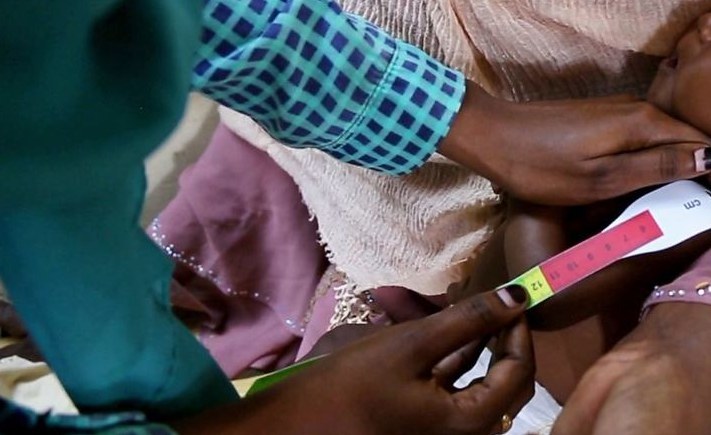
Nutrition experts have called on Parliament to urgently ensure that Ghana fulfils its international nutrition commitments to address the country’s growing malnutrition crisis.
They also urged the inclusion of key nutrition commodities, such as Ready-to-Use
Therapeutic Food (RUTF) and Multiple Micronutrient Supplements (MMS), under the National Health Insurance Scheme (NHIS) to improve health outcomes among children and pregnant women.
The call was made at a high-level roundtable engagement with selected parliamentarians in Accra last Friday, aimed at accelerating action to bridge Ghana’s nutrition financing gaps.
Follow us on WhatsApp | LinkedIn for the latest headlines
Related Articles
The meeting was organised by Women, Media and Change (WOMEC), a non-governmental organisation, under its “Nourish Ghana Project,” with support from the Eleanor Crook Foundation.
It sought to promote strategic dialogue on sustainable nutrition financing to improve maternal and child nutrition in the country.
At the Nutrition for Growth (N4G) Summit held in Paris last year, Ghana committed to investing six million dollars annually in essential nutrition commodities; however, this commitment is yet to be fulfilled.
Currently, RUTF and MMS used to treat Severe Acute Malnutrition (SAM) among children under five and chronic anaemia among pregnant women, respectively are largely donor-funded and distributed only in selected project areas.
The Deputy Director of Nutrition at the Ghana Health Service (GHS), Madam Olivia Timpo, warned that in light of rising global aid cuts, Ghana risks stock-outs and a reversal of gains made in tackling malnutrition if sustainable domestic financing is not secured.
“Without reliable commodities, guidelines cannot translate into treatment or prevention. Parliament can help make RUTF and MMS routinely available, affordable and accountable through the NHIS and domestic financing,” she stated.
Madam Timpo disclosed that about 68,517 children in Ghana develop SAM annually, while 51 per cent of pregnant women reporting at health facilities are anaemic.
This contributes to preventable child deaths, low birth weight, poor child growth, weak learning outcomes and increased healthcare costs.
She appealed to Parliament to strengthen oversight on nutrition funding, commodity availability and treatment coverage ahead of the 2026 budget cycle.
“Treatment and prevention commodities protect Ghana’s human capital. We can choose to pay now for nutrition, or pay later for illness, poor learning and lost productivity,” she said.

Sign up for free AllAfrica Newsletters
Get the latest in African news delivered straight to your inbox
The Deputy Chief Executive in charge of Finance and Investment at the National Health Insurance Authority (NHIA), Mrs Anatu Anne Seidu Bogobiri, acknowledged the need to move from temporary and fragmented nutrition interventions to routine and sustainable ones.
“We at the NHIA are prepared to be part of the conversation in a stronger way. We are looking at how health financing can better support child and maternal health outcomes and exploring our data to see how we can improve nutrition service delivery across the country,” she assured.
The Chief Executive Officer of WOMEC, Dr Charity Binka, stressed the need for stronger collaboration among Parliament, government institutions, civil society organisations, the media and communities to sustain nutrition advocacy and financing.
“When a nation invests in the nutrition of its mothers and children, it is not merely funding a health intervention. It is protecting its future, strengthening its workforce, and securing the dignity and potential of generations yet unborn. The time to act is now,” she said.
BY ABIGAIL ANNOH
