


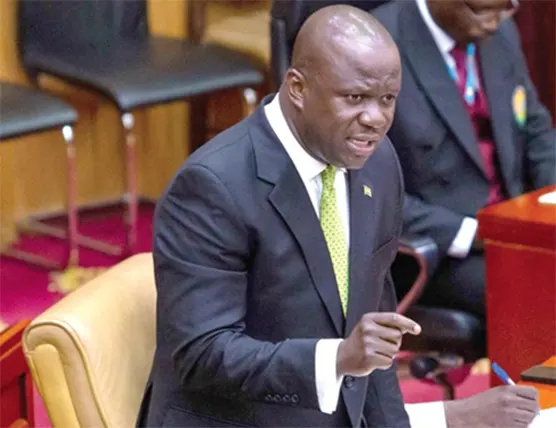
Samuel Abu Jinapor
The Minority Caucus in Parliament says it will intensify pressure on the government during the second meeting of Parliament over what it describes as delays in implementing key campaign promises, particularly the much-publicised 24-hour economy policy and measures to address unemployment and the rising cost of living.
Speaking to the media ahead of the commencement of the parliamentary meeting, the Ranking Member on the Foreign Affairs Committee and Member of Parliament for Damongo, Samuel Abu Jinapor, said the Minority had been given “marching orders” by the New Patriotic Party’s flagbearer, Dr. Mahamudu Bawumia, to hold the government accountable on issues affecting Ghanaians.
According to him, Dr. Bawumia addressed the Minority Caucus during a meeting on Wednesday and urged members to act as “the vanguards of the people and the voice of the voiceless” in Parliament.
Mr. Jinapor said the government, which has spent nearly one and a half years in office, was approaching its midterm and would now face closer scrutiny over its performance and campaign commitments.
“The major flagship programmes the government put before the Ghanaian people, we are yet to see those programmes being implemented,” he stated.
He identified the 24-hour economy initiative and its accompanying “Formula 1-3-3” policy aimed at tackling youth unemployment as key issues the Minority would pursue vigorously during the meeting.
He also indicated that the caucus would revisit promises made to victims of the financial sector clean-up. According to him, the President had pledged during the election campaign that all affected customers would be paid within one year, a promise he said Parliament would demand answers on.
Mr. Jinapor further noted that unemployment, particularly among the youth, and the high cost of living remained the two biggest challenges confronting Ghanaians and would dominate parliamentary debates in the coming weeks.
On foreign affairs, he criticised what he described as poor engagement between the Foreign Affairs Ministry and Parliament, especially regarding major international agreements and security cooperation arrangements.
He cited the security cooperation agreement between Ghana and the European Union, arguing that Parliament had not been adequately briefed despite constitutional requirements for parliamentary ratification of such agreements under Article 75 of the Constitution.
According to him, the Minority members on the Foreign Affairs Committee would demand greater accountability and responsiveness from the Foreign Affairs Minister on matters relating to Ghana’s foreign policy.
Mr. Jinapor added that other issues expected to feature prominently during the meeting include the completion of the Agenda 111 hospital projects, healthcare delivery, education, illegal mining, and broader economic challenges facing the country.
By Ernest Kofi Adu, Parliament House
