
By Mbungu Harrison
Email, [email protected]
Accountants have been challenged to move beyond the traditional book-keeping roles and take centre stage in shaping Kenya’s economic transformation, strengthening institutional trust and guiding organisations through a rapidly changing global environment.
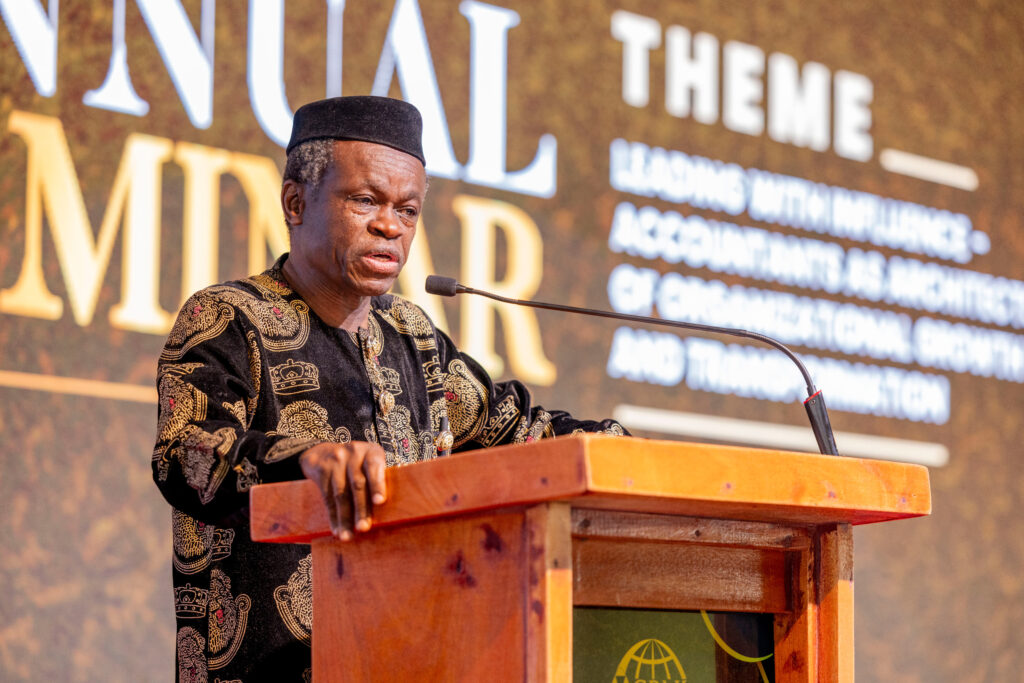
Speaking during the opening of the 43rd Institute of Certified Public Accountants of Kenya (ICPAK) Annual Seminar at Sarova White Sands Beach Resort and Spa in Mombasa on Monday, May 18, 2026, ICPAK chairman CPA Prof Elizabeth Kalunda said the profession was increasingly becoming critical in addressing economic uncertainty, governance challenges and digital disruption.
“We are living in a moment when professions are called upon not merely to perform technical responsibilities, but to help societies steady institutions, restore confidence, and shape the future direction of nations,” she told delegates attending both physically and virtually.
The three-day seminar, themed “Leading with Influence: Accountants as Architects of Organisational Growth and Transformation,” has brought together policymakers, global accounting leaders and thousands of practitioners from across the region.
Prof Kalunda said Kenya’s economy had remained resilient despite mounting pressure from high fuel and electricity costs, increased taxation and a public debt burden that has surpassed Sh11 trillion.
“Recent national conversations around economic reforms, taxation, public debt and fiscal sustainability demonstrated something profound — that citizens today are no longer merely asking institutions to function. They are asking institutions to be trusted.”
She noted that accountants are now expected to serve as strategists, governance advisers and sustainability champions as investors increasingly demand transparency and ethical leadership.
According to her the global ESG-linked assets now exceed $30 trillion signalling a shift in how institutions are evaluated.
“Capital is flowing toward institutions that demonstrate transparency, sustainability, ethical governance and long-term resilience.”
ICPAK chief executive officer CPA Dr Grace Kamau echoed the sentiments saying the profession had evolved into a custodian of public trust at a time when economies are grappling with digital disruption, geopolitical uncertainty and changing investor expectations.
“Influence is no longer derived from position alone. It is derived from credibility, adaptability, ethical leadership, and the ability to guide institutions through uncertainty,” she said.
The CEO pointed out the rapid growth of Kenya’s digital economy noting that mobile money transactions exceeded Sh9 trillion in 2025, according to Central Bank of Kenya data.
“Digital transformation is no longer being treated as a technology conversation alone. It has become a governance conversation,” she said adding that cybersecurity, transparency and ethical leadership had become essential pillars of economic growth.
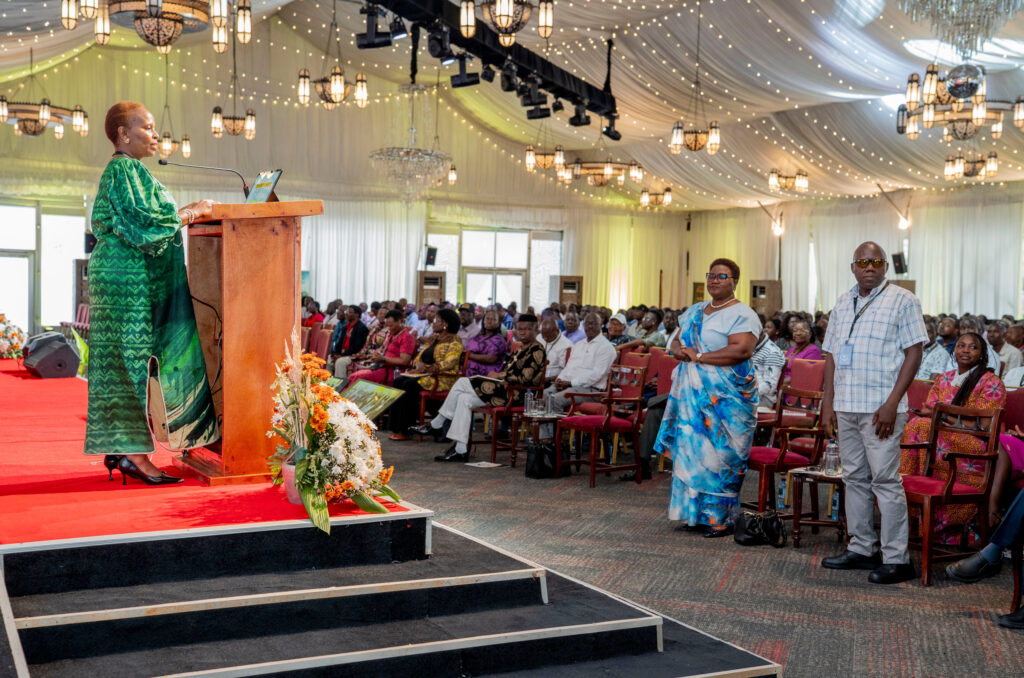
She urged accountants to prepare for a future shaped by artificial intelligence and automation while investing in mentorship and skills development for young professionals.
“Africa remains the youngest continent in the world, with over 60 per cent of its population below the age of 25. But demographics alone do not create prosperity. Skills do. Leadership does. Mentorship does. Integrity does.”
About The Author

