


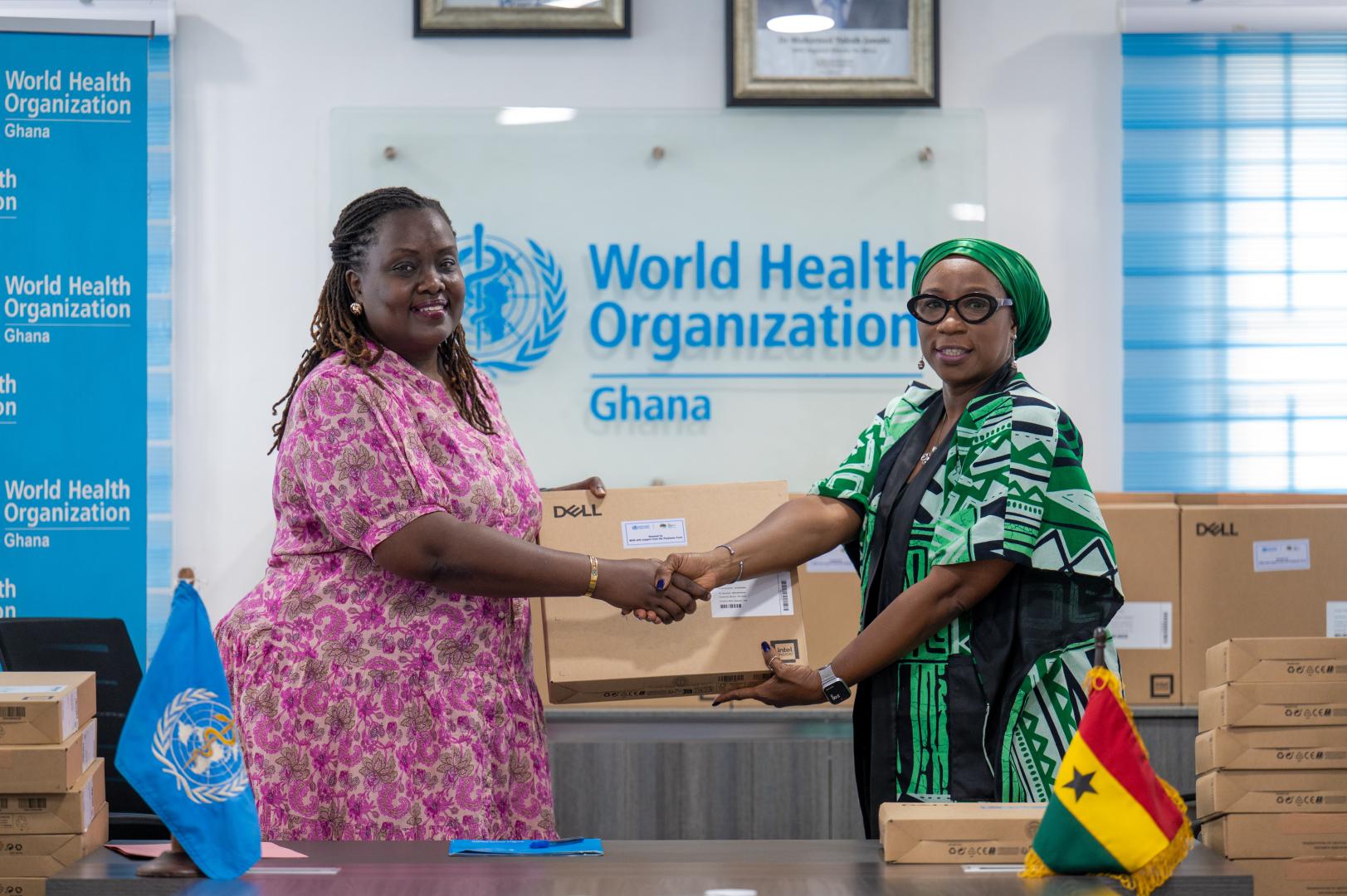
The World Health Organization (WHO) Regional Office for Africa has taken a significant step to bolster Ghana’s health surveillance systems by donating high-performance laptops to key health institutions across the country. This initiative, part of a broader effort to modernize public health infrastructure, aims to improve real-time disease monitoring, data collection, and response mechanisms—critical components in combating emerging health threats.
A Strategic Investment in Digital Health Infrastructure
Ghana’s health sector has long relied on traditional paper-based systems for disease surveillance, which often suffer from delays, inaccuracies, and limited accessibility. Recognizing these challenges, the WHO’s donation of modern laptops equipped with advanced software tools marks a pivotal shift toward digital health surveillance. These devices will enable health workers—particularly those in rural and underserved areas—to digitize health records, report outbreaks promptly, and access critical health data with greater efficiency.
The laptops are not merely hardware; they come pre-loaded with WHO’s Integrated Disease Surveillance and Response (IDSR) software, a globally recognized platform designed to streamline health data management. This software allows for real-time tracking of infectious diseases, vaccination coverage, and health trends, ensuring that decision-makers have actionable insights to prevent and control outbreaks effectively.
Empowering Frontline Health Workers
One of the most impactful aspects of this donation is its focus on empowering frontline health workers, including community health officers, district health managers, and laboratory technicians. Many of these professionals operate in remote regions where internet connectivity is unreliable, yet their role in early disease detection is indispensable.
The donated laptops are being distributed with offline-capable software, allowing health workers to record and store data locally before syncing with central databases when connectivity is restored. This ensures that critical health information is never lost, even in areas with intermittent internet access. Additionally, the devices include training modules to upskill users on digital health tools, reducing the learning curve and maximizing adoption.
Strengthening Ghana’s Response to Health Emergencies
Ghana has faced numerous health challenges in recent years, from Ebola outbreaks to COVID-19, which underscored the need for rapid, accurate, and centralized health data. The WHO’s laptop donation aligns with Ghana’s National Health Surveillance Strategy, which seeks to enhance the country’s ability to detect, verify, and respond to health threats within 24 hours.
By integrating these laptops into the National Disease Surveillance Programme (NDSP), Ghana can achieve:
– Faster outbreak detection through automated alerts and predictive analytics.
– Improved vaccine tracking, ensuring no child is left unprotected.
– Enhanced collaboration between regional health facilities and national health authorities.
A Model for Regional Health Digitalization
This initiative is not isolated; it is part of a regional WHO strategy to support African countries in transitioning from analog to digital health systems. Ghana’s adoption of these laptops serves as a case study for other nations grappling with similar challenges. The success of this program could inspire similar investments in digital health infrastructure across West and Central Africa, where health surveillance systems remain underdeveloped.
Challenges and Future Considerations
While the donation is a significant leap forward, its long-term success depends on several factors:
1. Sustainable Funding – Ensuring continuous support for software updates, internet connectivity, and device maintenance.
2. Workforce Training – Ongoing capacity-building to prevent digital literacy gaps among health workers.
3. Data Security – Implementing robust cybersecurity measures to protect sensitive health information from breaches.
4. Scalability – Expanding the program to include mobile health (mHealth) solutions, such as tablets and smartphones, for even greater reach.
Conclusion: A Step Toward a Healthier, Data-Driven Future
The WHO’s laptop donation to Ghana is more than a technological upgrade—it is a strategic investment in public health resilience. By bridging the gap between traditional and digital surveillance, Ghana is positioning itself to respond more effectively to health crises, reduce preventable diseases, and ultimately save lives.
As the country continues to integrate these tools into its health system, the impact will ripple beyond borders, demonstrating how innovation and partnerships can transform health outcomes in Africa. This initiative reaffirms the WHO’s commitment to leaving no one behind in the global fight for better health—one digitized record at a time.
Word Count: ~650 (SEO-optimized with relevant keywords: WHO Ghana health surveillance, digital health infrastructure, disease surveillance software, IDSR Ghana, public health technology, WHO laptop donation, health data management, National Disease Surveillance Programme, mHealth solutions, health emergencies response)
