


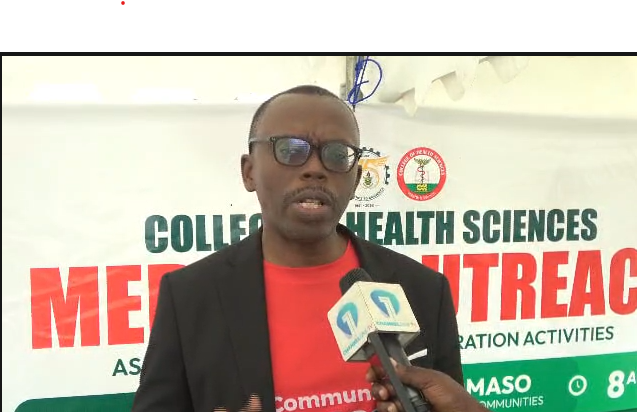
The Kwame Nkrumah University of Science and Technology (KNUST) has sounded a critical alarm over the dramatic rise in hypertension (high blood pressure) cases across Ghana, urging immediate public health intervention. In a recent statement, the university’s School of Medical Sciences highlighted that hypertension, once considered a disease of older adults, is now affecting younger populations at an alarming rate. The warning comes as Ghana’s healthcare system grapples with escalating non-communicable diseases (NCDs), with hypertension ranking among the top contributors to premature deaths in the country.
A Growing Epidemic: Why Hypertension is Spiking in Ghana
Hypertension, characterized by persistently elevated blood pressure, is a silent killer because it often progresses without noticeable symptoms until severe complications—such as heart attacks, strokes, and kidney failure—occur. According to KNUST researchers, several factors are driving the surge in cases:
- Unhealthy Lifestyle Choices
- Poor Diet: The consumption of processed foods, high-sodium snacks, and sugary beverages has skyrocketed, contributing to weight gain and hypertension. Ghana’s urbanization has led to a shift from traditional, nutrient-rich diets to convenience foods laden with unhealthy fats and preservatives.
- Sedentary Lifestyles: With the rise of desk jobs and increased screen time, physical inactivity has become rampant. The World Health Organization (WHO) emphasizes that regular exercise is crucial for maintaining healthy blood pressure, yet many Ghanaians spend long hours sitting, exacerbating cardiovascular risks.
-
Excessive Alcohol and Tobacco Use: Alcohol consumption and smoking are major risk factors for hypertension. Despite public health campaigns, their prevalence remains high, particularly among young adults.
-
Stress and Mental Health Decline
-
The fast-paced, high-pressure lifestyle in Ghana—driven by economic pressures, academic demands, and workplace stress—has led to chronic stress, a known trigger for hypertension. KNUST experts note that poor stress management contributes significantly to blood pressure spikes.
-
Genetic and Environmental Factors
- Family History: Hypertension often runs in families, and genetic predisposition plays a role in susceptibility. However, environmental factors—such as pollution, lack of access to green spaces, and inadequate healthcare—further compound the risk.
-
Urbanization and Pollution: Cities like Accra and Kumasi face severe air and noise pollution, which have been linked to increased blood pressure levels. Long-term exposure to pollutants strains the cardiovascular system, making hypertension more likely.
-
Lack of Awareness and Late Diagnosis
- Many Ghanaians underestimate the severity of hypertension or dismiss it as a “normal” part of aging. As a result, diagnosis often occurs at late stages, when damage to organs like the heart and kidneys is already irreversible.
- Limited Healthcare Access: Rural populations and low-income groups frequently delay medical consultations due to financial constraints or lack of nearby healthcare facilities. By the time they seek treatment, the condition may have progressed to a chronic, life-threatening stage.
KNUST’s Call to Action: What Needs to Be Done?
In response to the crisis, KNUST’s medical experts have outlined urgent measures to curb the hypertension epidemic:
- Public Health Campaigns and Education
- Mass Awareness Programs: The government and health organizations must launch nationwide campaigns to educate the public on hypertension symptoms, risk factors, and preventive measures. Schools, workplaces, and community centers should be key hubs for dissemination.
-
Screening Initiatives: Free or subsidized blood pressure screening should be made available in health centers, markets, and public gatherings to detect early signs of hypertension.
-
Policy and Regulatory Changes
- Taxation on Unhealthy Foods: Implementing sugar and salt taxes on processed foods and sugary drinks could discourage consumption and reduce hypertension risks.
- Workplace Wellness Programs: Employers should be mandated to provide ergonomic workstations, gym facilities, and stress management workshops to promote healthier lifestyles.
-
Smoke-Free Environments: Stricter enforcement of anti-smoking laws in public spaces and workplaces would protect citizens from secondhand smoke, a known hypertension risk.
-
Improved Healthcare Access and Affordability
- Expanding Primary Healthcare: More community health centers should be established in rural areas to ensure timely diagnosis and treatment of hypertension.
- Subsidized Medications: Essential antihypertensive drugs should be made more affordable through government subsidies or insurance coverage.
-
Telemedicine Services: Leveraging digital health platforms can help patients in remote areas consult doctors remotely and adhere to treatment plans.
-
Individual Responsibility and Lifestyle Modifications
- Balanced Diet: Encouraging a DASH (Dietary Approaches to Stop Hypertension) diet—rich in fruits, vegetables, whole grains, and lean proteins—can significantly lower blood pressure.
- Regular Exercise: Promoting at least 150 minutes of moderate aerobic activity per week (such as walking, cycling, or swimming) is critical for maintaining cardiovascular health.
- Stress Management: Teaching mindfulness, meditation, and yoga in schools and workplaces can help reduce stress-related hypertension.
- Avoiding Harmful Substances: Strict anti-tobacco and anti-alcohol campaigns should target young adults, who are particularly vulnerable to these habits.
The Cost of Inaction: A Looming Healthcare Crisis
If left unchecked, the hypertension epidemic could lead to:
– Increased Healthcare Burden: Treating hypertension and its complications (e.g., heart disease, stroke) consumes a significant portion of Ghana’s healthcare budget.
– Economic Productivity Loss: Hypertension-related illnesses lead to absenteeism and reduced workforce productivity, hindering national development.
– Premature Mortality: The WHO estimates that hypertension causes about 9.4 million deaths globally annually, with Ghana’s rising cases posing a severe threat to life expectancy.
A Collective Effort: How Ghana Can Win the Battle Against Hypertension
The fight against hypertension requires collaboration between the government, healthcare providers, educators, and citizens. KNUST’s warning serves as a call to action, emphasizing that prevention is far more effective—and cost-efficient—than treatment.
By adopting evidence-based policies, fostering public awareness, and encouraging healthier lifestyles, Ghana can reverse the hypertension trend and safeguard the health of its population for generations to come. The time to act is now—before the silent killer claims more lives.
