


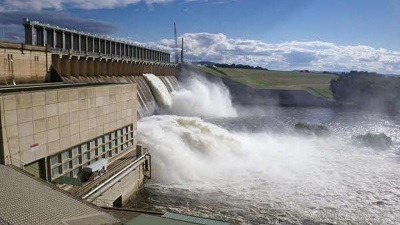
The National Disaster Management Organisation (NADMO) has issued a preemptive flood alert for the North East Region of Ghana, warning residents of potential catastrophic flooding following Burkina Faso’s announcement that the Bagre Dam will be deliberately opened on Tuesday, August 11, 2026. The controlled release of water from the dam is expected to drastically increase downstream flow into Ghana via the White Volta River and its tributaries, posing significant risks to communities, infrastructure, and livelihoods.
In a formal statement from its North East Regional Office, NADMO has urged all stakeholders—including farmers, fishermen, herdsmen, and local residents—to take immediate and decisive action to mitigate the impending crisis. The organisation emphasised that the spillage operation could lead to sudden and dangerous rises in water levels, particularly in low-lying areas, riverbanks, and flood-prone zones along the Volta Basin.
Key Risks and Precautionary Measures
The Bagre Dam spillage is anticipated to significantly amplify water discharge into Ghana, with NADMO warning that communities along the White Volta and its tributaries—such as the Black Volta and Red Volta—could face severe flooding. The organisation highlighted that unpreparedness could result in loss of life, property damage, and disruptions to agriculture and fishing activities, which are critical to the region’s economy.
To prevent casualties and minimise economic losses, NADMO has issued mandatory safety guidelines, including:
-
Immediate Relocation from High-Risk Areas
Residents living in flood-prone zones, riverbanks, and low-lying settlements have been strongly advised to evacuate to higher ground before the water levels rise. The organisation stressed that delayed action could trap individuals in life-threatening situations, especially during the peak flood period. -
Avoiding River and Floodplain Activities
NADMO has prohibited all non-essential activities within river channels, floodplains, and waterlogged areas, including: - Farming and crop cultivation near waterways
- Fishing and aquatic resource harvesting
- Animal grazing and livestock movement in flood-prone zones
- Construction or infrastructure development in high-risk areas
“Do not engage in any activity that could expose you or your property to flooding,” the statement warned. “Compliance with this directive is non-negotiable to ensure public safety.”
- Protecting Livelihoods and Assets
Farmers, who constitute a major segment of the North East Region’s population, have been urged to harvest crops early where possible to prevent water damage. Additionally, residents are advised to: - Secure and relocate valuables, food supplies, and farm equipment from vulnerable zones.
- Move livestock to safer pastures away from flood-prone areas.
-
Avoid crossing flooded roads, rivers, or bridges, as sudden water surges can be deadly.
-
Strict Compliance with Emergency Protocols
NADMO has collaborated with security agencies, district assemblies, and local authorities to intensify public awareness campaigns in at-risk communities. The organisation has directed all district offices in the North East Region to conduct door-to-door sensitisation, ensuring that every household is informed of the risks and necessary precautions.
“NADMO will not tolerate negligence that endangers lives,” the statement declared. “All individuals and institutions are expected to adhere to the safety directives issued by disaster management authorities.”
NADMO’s Monitoring and Response Plan
The organisation has established a 24/7 monitoring system to track water levels, rainfall patterns, and dam discharge rates in real time. NADMO has committed to providing regular updates to the public via official channels, including press releases, community announcements, and emergency broadcasts**.
In preparation for the potential worst-case scenarios, NADMO has coordinated with the Ghana Armed Forces, Civil Defence, and local councils to deploy rapid response teams for search and rescue operations, emergency evacuations, and post-flood recovery efforts.
Historical Context and Past Challenges
The Bagre Dam, located in Burkina Faso, has previously caused flooding in Ghana during controlled spillage operations. In 2020 and 2022, similar releases led to substantial waterlogging in the North East Region, particularly in Bole District, Bimbilla, and Yendi, where entire villages were temporarily inundated. These incidents underscored the urgency of proactive disaster preparedness in the Volta Basin.
Experts have warned that climate change and erratic rainfall patterns could exacerbate flooding risks in the coming years, making early warning systems and community resilience more critical than ever.
Call to Collective Action
NADMO has appealed to all stakeholders—government agencies, traditional leaders, religious bodies, and private sector entities—to join in disaster mitigation efforts. The organisation has requested that:
– District Assemblies allocate resources for emergency shelters and relief materials.
– Media outlets amplify flood safety messages to reach remote communities.
– Businesses and NGOs support vulnerable populations with food, medical supplies, and financial aid if needed.
“This is not just a warning—it is a call to action,” NADMO’s statement concluded. “By working together, we can save lives, protect livelihoods, and ensure the safety of our communities during this critical period.”
As the August 11 deadline approaches, the organisation has reiterated that ignorance is not an excuse, and every resident must take personal responsibility for their safety. Failure to act could have devastating consequences, NADMO warned, urging the public to stay informed, stay prepared, and stay safe.
