


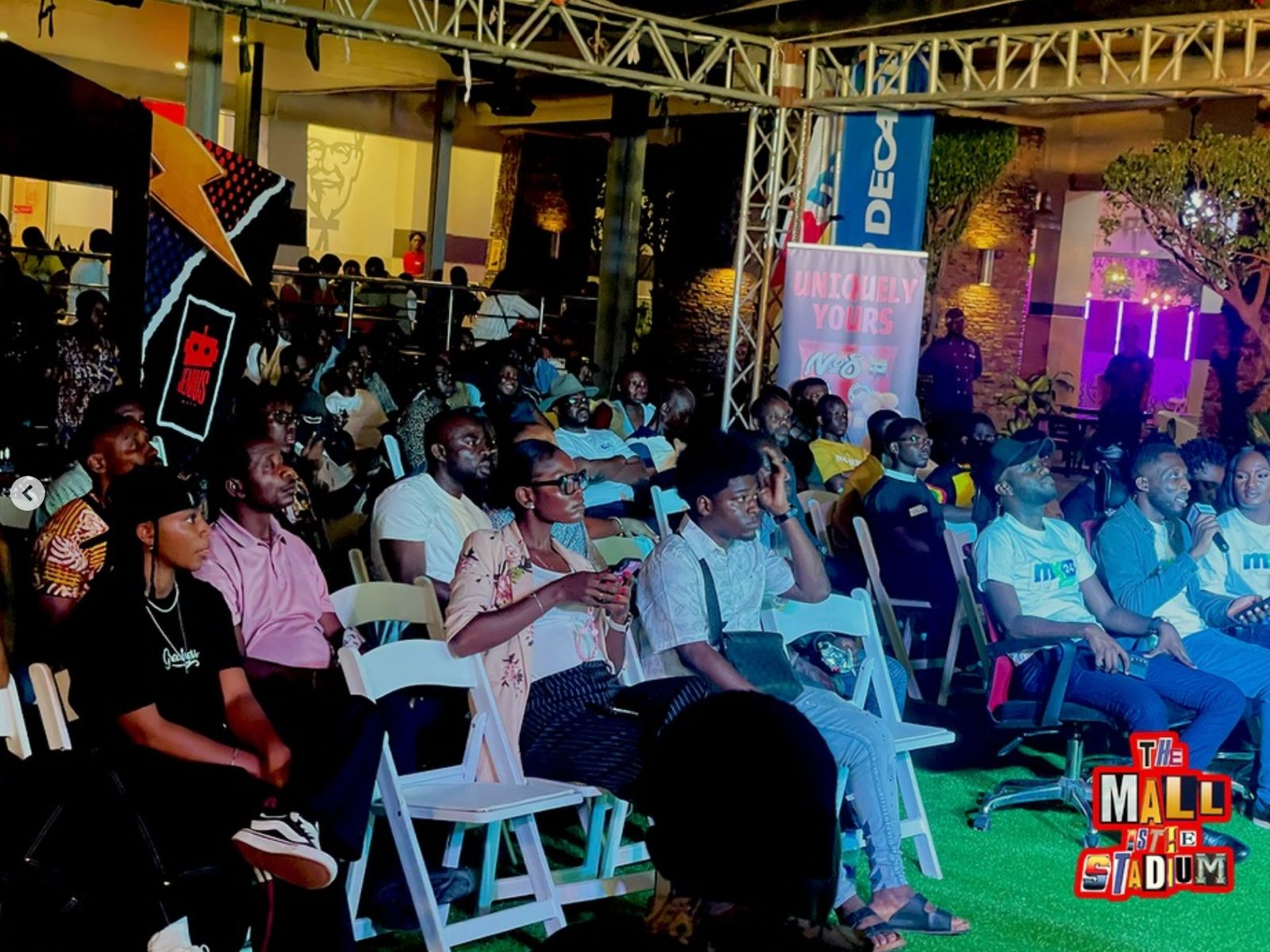
In an era where consumerism and entertainment increasingly intersect, Ghana’s bustling malls have transcended their traditional role as mere retail hubs. Today, these architectural marvels are being reimagined as ultimate fan zones, blending the excitement of live events with the convenience of shopping. This transformation is not just a trend—it’s a strategic evolution that enhances consumer engagement, boosts economic activity, and redefines public leisure. Here’s how Ghana’s biggest malls are turning into the stadiums of the modern fan experience.
The Rise of the Mall as a Spectator Hub
Ghana’s urban centers, particularly Accra and Kumasi, have witnessed a surge in mall development over the past decade. From West Hills Mall in Accra to Kumasi Mall and The Mall of Africa, these spaces have become more than shopping destinations—they are multi-functional entertainment arenas. The concept of the “mall as a stadium” is gaining traction, where live performances, sports simulations, and interactive fan experiences are seamlessly integrated into the shopping experience.
This shift aligns with global trends where retail spaces are evolving into third places—neither home nor work, but vibrant social hubs where communities gather. In Ghana, this adaptation is driven by several key factors:
- Urbanization and Limited Green Spaces – With Ghana’s population rapidly urbanizing, open-air stadiums and sports venues are often oversubscribed or geographically inaccessible. Malls, being centrally located, offer a practical alternative for fans to enjoy events without the hassle of travel.
- Hybrid Entertainment Demand – Consumers today seek multi-sensory experiences that combine shopping, dining, and entertainment. Malls are uniquely positioned to deliver this by hosting events that cater to diverse interests, from music and sports to cultural festivals.
- Economic Stimulation – By hosting high-profile events, malls attract larger crowds, increasing foot traffic and sales. This symbiotic relationship between retail and entertainment creates a win-win scenario for both businesses and consumers.
How Ghana’s Top Malls Are Redefining Fan Experiences
1. West Hills Mall: The Epicenter of Live Entertainment
West Hills Mall, located in Accra’s sprawling East Legon, has set the benchmark for mall-based fan culture in Ghana. The mall has successfully hosted concerts, boxing matches, and even simulated sports events, transforming its expansive floors into temporary stadiums.
- Music Festivals and Live Concerts – Artists like Burna Boy, Wizkid, and Stonebwoy have graced its stages, drawing thousands of fans who combine shopping with live performances. The mall’s outdoor amphitheater and soundproofed event spaces ensure an immersive experience without compromising the shopping environment.
- Sports Simulations and Esports – Recognizing the growing popularity of esports, West Hills Mall has introduced gaming tournaments and VR sports simulations, allowing fans to engage with their favorite athletes in virtual arenas. This innovation appeals to younger demographics who prefer digital interaction.
- Themed Fan Zones – During major events like the African Cup of Nations (AFCON) or FIFA World Cup, the mall sets up dedicated fan zones with large screens, interactive games, and themed merchandise stalls. These zones create a pre-game and post-game atmosphere, keeping fans engaged long after the event ends.
2. Kumasi Mall: Blending Culture and Commerce
In Kumasi, Kumasi Mall has embraced its role as a cultural hub by hosting traditional festivals, dance performances, and sports exhibitions. The mall’s open-air plaza and spacious event halls make it ideal for large gatherings.
- Ashanti Cultural Festivals – The mall frequently collaborates with local cultural organizations to host traditional dances, drumming competitions, and fashion shows, blending Ghanaian heritage with modern retail.
- Sports and Fitness Events – From marathon previews to yoga and fitness challenges, Kumasi Mall positions itself as a wellness and sports destination. These events attract health-conscious consumers and sports enthusiasts alike.
- Interactive Workshops and Fan Meetups – The mall organizes workshops on sports analytics, music production, and fan engagement strategies, catering to both casual visitors and aspiring professionals in entertainment.
3. The Mall of Africa: Luxury Meets Large-Scale Spectacle
As Ghana’s largest shopping complex, The Mall of Africa in Accra is redefining the concept of a fan zone with its luxury amenities and high-capacity event spaces. The mall’s cinemas, rooftop gardens, and grand atrium provide versatile venues for large-scale entertainment.
- Premiere Screenings and Fan Conventions – The mall’s IMAX theaters host premiere screenings of Hollywood blockbusters and Ghanaian films, often accompanied by fan meet-and-greets with celebrities. This creates a cinematic experience that extends beyond passive viewing.
- Corporate and Charity Events – The Mall of Africa frequently hosts corporate fan gatherings, charity auctions, and product launches, turning retail into a platform for social and economic impact. For example, during Black Friday, the mall transforms into a shopping marathon with live performances and exclusive discounts.
- Virtual Reality (VR) and Augmented Reality (AR) Experiences – Recognizing the future of entertainment, the mall has introduced VR gaming zones and AR shopping experiences, allowing customers to interact with products in innovative ways. This tech-infused approach attracts tech-savvy fans and keeps the mall ahead of industry trends.
4. Accra Mall and Adum Mall: Community-Driven Fan Engagement
Smaller but equally innovative, Accra Mall and Adum Mall focus on community-driven fan experiences, ensuring that entertainment is accessible to all socioeconomic groups.
- Local Talent Showcases – These malls frequently host talent shows, poetry slams, and street performances, giving local artists a platform while keeping fans entertained.
- Family-Friendly Events – From kids’ sports days to parent-child interactive sessions, these malls prioritize family-oriented entertainment, making them a preferred destination for weekend outings.
- Charity Fundraisers and Awareness Campaigns – Malls like Adum Mall use their event spaces to host charity runs, HIV/AIDS awareness campaigns, and disaster relief fundraisers, turning commercial spaces into agents of social change.
The Business Case: Why Malls Are Investing in Fan Zones
The transformation of Ghana’s malls into fan zones is not just about entertainment—it’s a strategic business move with measurable benefits:
- Increased Foot Traffic and Sales – Events draw larger crowds, leading to higher daily sales volumes. For instance, during a major concert, a mall might see a 30-50% increase in visitors, directly boosting revenue from retail, dining, and hospitality.
- Brand Partnerships and Sponsorships – Hosting high-profile events attracts sponsorships from brands, providing malls with additional revenue streams. Companies like MTN, Dangote, and Unilever often partner with malls to co-host events, enhancing their visibility.
- Customer Loyalty and Repeat Visits – By offering exclusive experiences, malls build long-term customer loyalty. Fans who enjoy a concert or sports event are more likely to return for future shopping trips.
- Diversification of Revenue Streams – Malls reduce reliance on traditional retail by monetizing event spaces. This diversification helps them weather economic downturns and adapt to changing consumer behaviors.
- Enhanced Property Value – Malls that successfully integrate entertainment into their operations see higher property valuations and attract premium tenants, including luxury brands and entertainment companies.
Challenges and Considerations
While the mall-as-stadium concept holds immense potential, it also comes with operational and logistical challenges:
- Space Management – Balancing retail operations, dining, and events requires efficient space planning. Malls must ensure that event setups do not disrupt the shopping experience.
- Safety and Security – Large crowds at events pose security risks, necessitating robust crowd-control measures, emergency exits, and trained security personnel.
- Noise and Disturbance – Live music and sports events can disrupt the shopping environment, leading to complaints from customers. Malls must implement soundproofing and noise regulation policies.
- Event Costs – Hosting high-profile events is expensive, requiring significant investments in sound systems, staging, and staffing. Malls must carefully assess ROI before committing to large-scale events.
- Regulatory Compliance – Organizing public events requires permit approvals, fire safety checks, and compliance with local laws. Malls must work closely with government agencies to avoid legal issues.
The Future: What’s Next for Ghana’s Mall Fan Zones?
As the concept matures, Ghana’s malls are poised to introduce even more innovative fan experiences:
- AI-Powered Personalization – Malls may soon use AI and data analytics to tailor event recommendations based on customer preferences, enhancing engagement.
- Sustainable Event Hosting – With growing environmental concerns, malls are likely to adopt eco-friendly event practices, such as recycling programs, energy-efficient lighting, and carbon-neutral initiatives.
- Global Collaboration – Partnerships with international event organizers could bring world-class concerts, sports tournaments, and cultural festivals to Ghanaian malls.
- Gamification of Shopping – Malls may integrate gamified shopping experiences, where customers earn rewards for attending events, shopping, or engaging with brand activations.
- Hybrid Physical-Digital Experiences – The future may see malls hosting virtual events where global fans can participate in live streams, AR interactions, and digital meetups.
Conclusion: The Mall as the New Stadium of Choice
Ghana’s malls are undergoing a bold reinvention, evolving from simple retail spaces into dynamic fan zones that redefine leisure and entertainment. By blending shopping, dining, and live experiences, these commercial hubs are not only boosting economic activity but also strengthening community bonds.
As urbanization continues and consumer expectations evolve, the mall-as-stadium model will likely become the new standard for public entertainment in Ghana. For businesses, this means diversifying revenue streams and enhancing customer engagement. For consumers, it means more accessible, diverse, and immersive entertainment options—all within the convenience of a shopping destination.
In a country where football, music, and culture are deeply embedded in national identity, Ghana’s malls are proving that the ultimate fan experience doesn’t always require a stadium—sometimes, it’s right inside the mall.
