


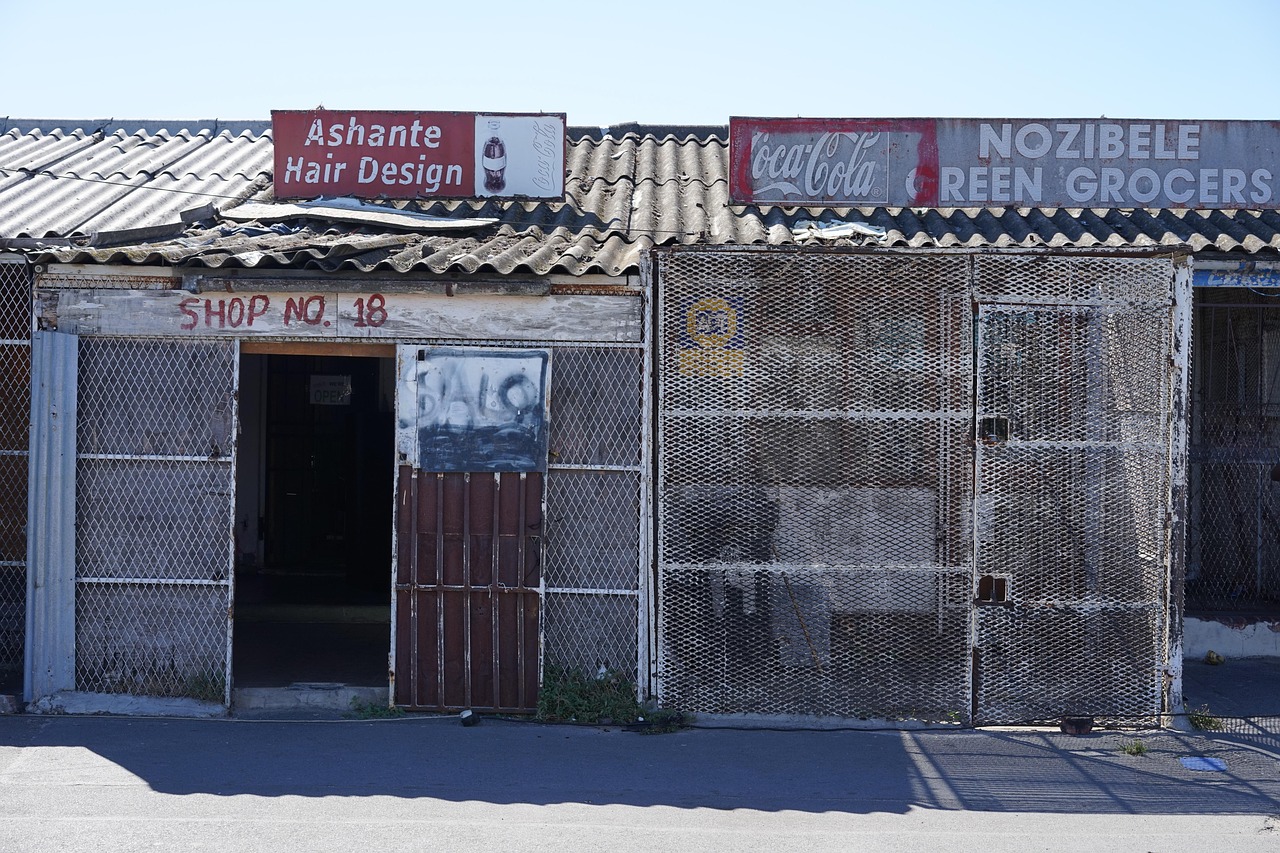
Introduction: The Betrayal of Pan-African Solidarity
Xenophobic violence in South Africa is not merely a domestic issue—it is a continental legal failure that undermines the very foundations of African unity, human rights, and the moral debt owed to nations that stood alongside South Africa during its liberation struggle. Since the end of apartheid in 1994, waves of violence targeting African migrants—particularly Nigerians, Somalis, and Zimbabweans—have exposed systemic failures in protection, justice, and solidarity. These attacks, marked by lootings, forced displacements, and state-sanctioned discrimination, violate South Africa’s constitutional guarantees of equality and dignity, as well as its obligations under the African Charter on Human and Peoples’ Rights (ACHPR) and international human rights law.
At its core, xenophobia in South Africa is a rejection of the Pan-African ethos that once defined the continent’s collective resistance to oppression. The liberation of South Africa was not achieved in isolation; it was sustained by decisive support from African nations, including Ghana, Nigeria, Zambia, and Tanzania, which provided financial aid, safe havens, and ideological solidarity. Yet today, South Africa’s treatment of its African neighbors—through violence, economic exclusion, and legal abandonment—represents a betrayal of that shared history.
The Historical Context: Pan-Africanism and the Moral Debt of South Africa
The apartheid regime was not only an internal South African crisis but a continent-wide affront to African dignity. Nations across Africa, led by visionaries like Kwame Nkrumah of Ghana, actively supported liberation movements such as the African National Congress (ANC) and the Pan-Africanist Congress (PAC). Ghana’s role was particularly pivotal:
- Accra as a Hub of Liberation: In 1964, Ghana granted the ANC and PAC official offices, accommodation, and financial allowances in Accra. The government also established the Kwame Nkrumah Institute of Economics and Political Science (KNIEPS), where activists received strategic training in economics, political science, and leadership.
- Education and Scholarships: Ghanaian universities and secondary schools provided scholarships to African students affiliated with recognized liberation movements, ensuring the next generation of leaders was nurtured. The Bureau of African Affairs (BAA) oversaw these programs, holding nationalist parties accountable for the conduct of their students abroad.
- The “New Year School”: An annual gathering at the Institute of Public Education, where activists from across the continent convened to strategize and reinforce Pan-African unity.
Beyond Ghana, Nigeria played a financial and diplomatic linchpin in the struggle:
– The “Mandela Tax”: Nigerian civil servants voluntarily contributed portions of their salaries to the Southern Africa Relief Fund, demonstrating nationwide solidarity with apartheid victims.
– Economic Sacrifices: Nigeria imposed oil embargoes and trade restrictions on apartheid-aligned nations, enduring economic consequences to uphold justice.
– Safe Havens: Zambia and Tanzania, among others, offered training camps and political refuge for exiled ANC and PAC members.
These sacrifices were rooted in the Pan-African principle that the liberation of one nation was the liberation of all. Post-apartheid South Africa was expected to honor this debt—yet today, its xenophobic violence against fellow Africans represents a fundamental breach of that moral compact.
The Nature and Devastating Impact of Xenophobic Attacks
Since the early 2000s, xenophobic violence in South Africa has escalated into systematic campaigns of intimidation, displacement, and economic sabotage, disproportionately affecting African migrants. The attacks manifest in several brutal and coordinated forms:
1. Looting and Destruction of Foreign-Owned Businesses
Mobs and vigilante groups—often amplified by social media and local protests—have targeted businesses owned by Nigerians, Somalis, and Zimbabweans, accusing them of “economic sabotage” and “unfair competition.”
– Inventory Losses and Forced Closures: Business owners report massive financial devastation, with entire stockpiles looted in hours.
– Physical Intimidation: Foreign entrepreneurs face assaults, arbitrary documentation checks, and threats of deportation, forcing many to abandon their livelihoods.
– Systemic Discrimination: Local authorities, in some cases, collude with mobs, failing to intervene or providing insufficient protection.
2. Mass Displacement and Human Trauma
The forced expulsion of migrants has created one of Africa’s largest internal displacement crises. According to Agence France-Presse (AFP) estimates, over 160,000 African nationals have been displaced since 2008, abandoning:
– Stable jobs in sectors like mining, construction, and retail.
– Informal businesses that sustained families.
– Long-term residences, often leaving behind decades of investment.
The psychological toll on victims is profound, with survivors reporting chronic anxiety, loss of trust in South African institutions, and deepened feelings of alienation.
3. Economic and Regional Consequences
Xenophobic violence does not remain confined to South Africa—it disrupts regional trade, remittances, and economic cooperation:
– Collapse of Cross-Border Trade: Neighbors like Nigeria, Zimbabwe, and Ethiopia rely on South Africa for export markets and investment. Hostility toward their nationals reduces trade flows, threatening millions of jobs in informal economies.
– Decline in Remittances: African migrants in South Africa send billions in remittances annually to their home countries. Violence and displacement sever these financial lifelines, exacerbating poverty in sending nations.
– Investment Withdrawals: Foreign businesses may hesitate to expand in South Africa if they perceive rising xenophobic risks, further stifling economic growth.
Beyond economics, these attacks undermine the very pillars of African integration:
– Violation of the SADC Protocol on Movement of Persons (2005): This regional agreement promotes free movement and economic unity within the Southern African Development Community. Xenophobic violence blocks labor mobility, damages trust, and contradicts SADC’s vision of a borderless continent.
– Erosion of African Union (AU) Principles: The AU Constitutive Act explicitly commits member states to peace, security, and human rights. South Africa’s failure to protect migrants directly contradicts these foundational principles.
International Law and South Africa’s Obligations
South Africa’s legal and moral obligations under international and regional law are unambiguous. Multiple treaties and charters explicitly prohibit discrimination, violence, and the denial of dignity to foreign nationals:
- International Covenant on Civil and Political Rights (ICCPR)
- Article 2(1) requires states to protect all persons within their territory from violations of civil and political rights, regardless of nationality.
-
South Africa’s failure to prevent or punish xenophobic attacks constitutes a breach of this core obligation.
-
African Charter on Human and Peoples’ Rights (ACHPR)
- Article 2 guarantees the right to equality before the law.
- Article 3 prohibits all forms of discrimination, including those based on national origin.
-
Article 5 protects the right to life, dignity, and security of person—all of which have been systematically violated in xenophobic attacks.
-
Southern African Development Community (SADC) Protocols
-
The 2005 Protocol on the Facilitation of Movement of Persons promotes regional mobility and economic integration. Xenophobic violence directly undermines this protocol by:
- Blocking labor migration.
- Creating climate of fear that discourages cross-border trade.
- Eroding mutual trust among member states.
-
African Union (AU) Commitments
- The AU’s Agenda 2063 and Silencing the Guns Initiative emphasize peace, security, and human rights as non-negotiable priorities.
- South Africa’s failure to protect migrants not only fails its AU obligations but also sets a dangerous precedent for other member states.
Diplomatic and Legal Responses: Ghana’s Leadership and Continental Accountability
In response to the persistent failure of South Africa to address xenophobia, African nations—led by Ghana—have taken unprecedented diplomatic and legal actions to demand justice and accountability.
1. Ghana’s Formal Petition to the African Union (AU)
On May 6, 2026, Ghana’s Ministry of Foreign Affairs, signed by Foreign Minister Samuel Okudzeto Ablakwa, submitted a strongly worded letter to the AU condemning:
– The loss of life and destruction of property resulting from xenophobic attacks.
– The ongoing threats to African migrants in South Africa.
– The violation of Pan-African ideals enshrined by leaders like Kwame Nkrumah.
The letter urgently appeals to the AU to treat xenophobia as a continental crisis, emphasizing that:
“No African should be dehumanized on African soil. The shared destiny of our continent demands collective action.”
This petition has gained support from the Economic Community of West African States (ECOWAS), signaling a regional push for accountability.
2. Submission to the International Criminal Court (ICC)
Two prominent Ghanaian legal experts—Palgrave Boakye-Danquah (former Ghanaian government spokesperson on governance and security) and Emmanuel Kotin (counter-terrorism analyst)—have submitted a formal communication to the ICC Prosecutor (July 15, 2026), alleging:
– A “pattern of widespread and systematic attacks” against African migrants in South Africa.
– Crimes against humanity, including murder, forced displacement, and persecution.
– State complicity in failing to prevent or prosecute these crimes under President Cyril Ramaphosa’s government.
The petition demands a preliminary examination into whether South Africa’s actions constitute violations of the Rome Statute.
3. African Commission on Human and Peoples’ Rights (ACHPR) Condemnation
The Country Rapporteur on South Africa, Honorable Commissioner Solomon Ayele Dersso, has publicly condemned the violence, stating that:
– The attacks gravely violate Articles 3 (right to dignity), 4 (right to life), 5 (right to security), 12 (right to property), 14 (freedom of movement), and 28 (equality) of the ACHPR.
– Vigilante groups have no authority to enforce immigration policies—this is the sole responsibility of state institutions.
– The violence undermines African solidarity and the rule of law, eroding trust in regional cooperation.
4. African Union Commission’s Formal Address
At the AU Extraordinary Health Summit (July 22, 2026) in Accra, AU Commission Chairperson Mahmoud Ali Youssouf declared:
“The human cost of these attacks is terrible. The African Union will not tolerate such betrayal of our shared values.”
This statement marks the first time the AU has formally labeled xenophobia in South Africa as a continental issue, paving the way for enforced accountability mechanisms.
Systemic Failures and the Path Forward
The persistent nature of xenophobic violence reveals deep-rooted systemic failures in South Africa:
- Weak Law Enforcement and Impunity
- Police and security forces often fail to intervene during attacks, collude with mobs, or prioritize domestic unrest over migrant protection.
-
Low prosecution rates for xenophobic crimes encourage repeat offenses.
-
Erosion of Trust in State Institutions
- Migrants no longer believe the state will protect them, leading to self-reliance in survival strategies (e.g., hiding identities, avoiding formal employment).
-
Discriminatory immigration policies (e.g., unofficial “deadlines” for foreign nationals) fuel paranoia and violence.
-
Economic Exclusion and Scapegoating
- Unemployment and inequality in South Africa create a fertile ground for xenophobic rhetoric, with migrants blamed for economic struggles.
- Informal economies, where many migrants work, are systematically targeted, forcing them into legal limbo.
Demands for Justice and Continental Accountability
For Africa to restore dignity and unity, South Africa must:
✅ Prosecute all perpetrators of xenophobic violence under domestic and international law.
✅ Compensate victims for lost livelihoods, property damage, and psychological trauma.
✅ Reform immigration policies to ensure equal protection under the law.
✅ Strengthen law enforcement to prevent vigilante justice and guarantee migrant safety.
Regional and continental bodies must enforce accountability through:
– African Court on Human and Peoples’ Rights (ACHPR): Issuing binding rulings against South Africa for violations of the ACHPR.
– African Commission on Human and Peoples’ Rights: Investigating communications from affected migrants and issuing public condemnations.
– International Criminal Court (ICC): Opening a preliminary examination into crimes against humanity if evidence warrants it.
– SADC and AU Sanctions: Temporary trade or diplomatic restrictions until South Africa complies with human rights obligations.
Conclusion: A Crisis Demanding Collective Action
Xenophobic violence in South Africa is not an isolated domestic issue—it is a continental betrayal of Pan-Africanism, human rights, and moral responsibility. The nations that sacrificed resources, offered refuge, and fought alongside South Africa during apartheid now face hostility and displacement on its soil. This reversal of history must be met with unified African action.
The diplomatic petitions to the AU, ECOWAS, and ICC, along with regional legal mechanisms, represent the first steps toward accountability. However, meaningful change requires:
– Political will from South African leadership to prioritize justice over populist rhetoric.
– Continental solidarity to enforce sanctions until reforms are implemented.
– Global pressure to hold South Africa accountable under international law.
Only then can South Africa honor its past, restore trust, and reaffirm its place as a leader in African unity. The time for words alone is over—action is now required.
