


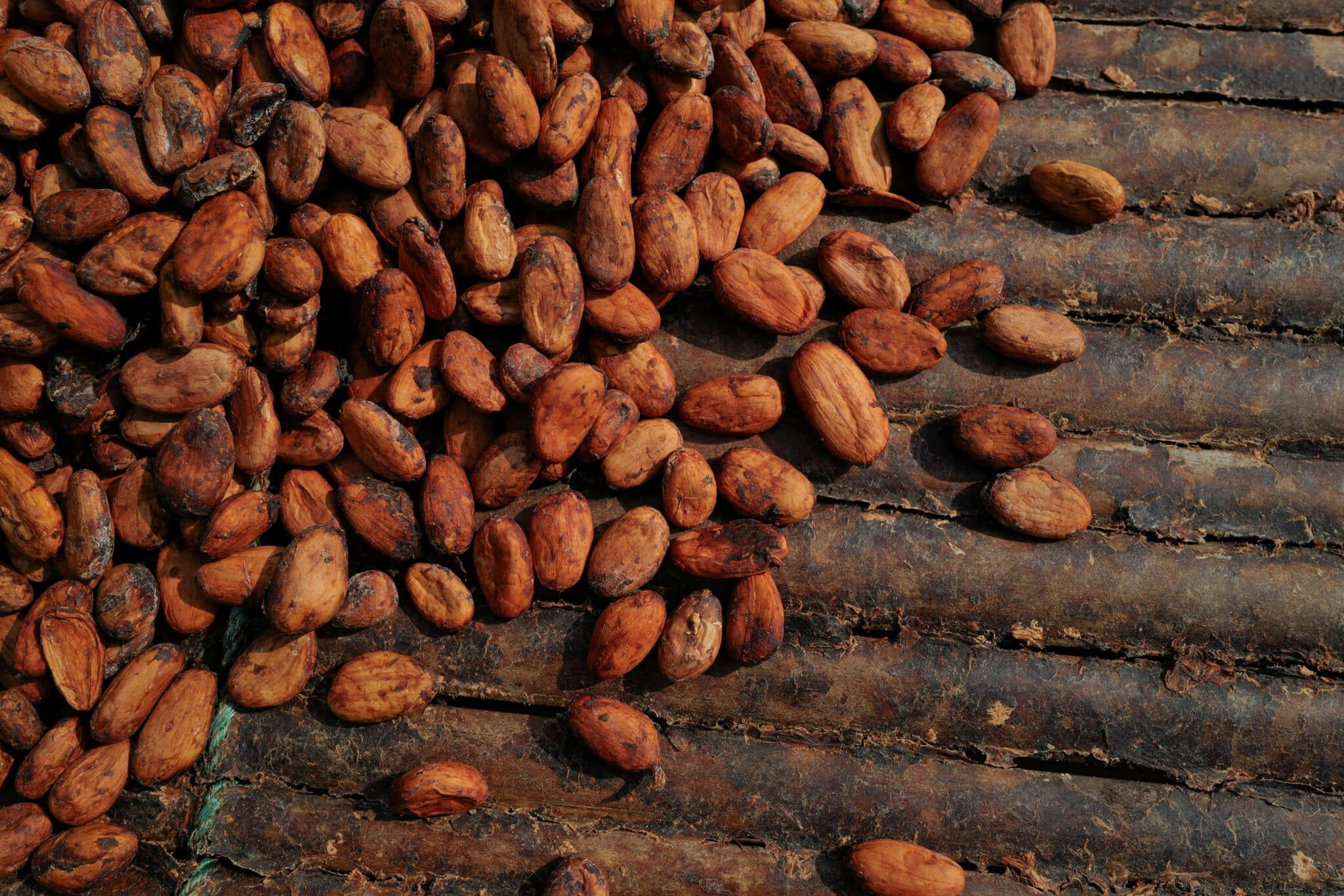
Ghana’s cocoa sector is poised for a significant contraction in the 2026–2027 harvest season, with production expected to drop by at least 16%, according to projections from the Cocoa Board (COCOBOD), the country’s regulatory authority. The decline stems from a confluence of climatic, biological, and human-induced factors, exacerbating long-standing vulnerabilities in the nation’s cocoa industry—the backbone of Ghana’s agricultural economy and a critical foreign exchange earner.
Root Causes of the Projected Decline
COCOBOD attributed the anticipated drop to three primary factors:
-
El Niño and Extreme Weather Patterns
The regulator warned that El Niño conditions, coupled with excessive rainfall in May and June 2024, could disrupt flowering and pod formation. These weather anomalies are known to stress cocoa trees, reducing fruit-bearing efficiency. Historically, cocoa yields fluctuate due to the tree’s biennial bearing cycle, where high-yielding years alternate with lower-productivity seasons. The current trend aligns with this natural pattern, but the severity is amplified by recent climatic disruptions. -
Low Cherelle Load in Key Regions
The Western and Western North Regions, which together contribute over 50% of Ghana’s cocoa output, have reported a sharp decline in cherelles—the small, immature pods that mature into harvestable cocoa beans. COCOBOD’s data indicates that the cherelle load in these regions is critically low, a trend consistent with the combined pressures of: - Swollen Shoot Disease (SSD): A viral infection devastating cocoa farms, causing stunted growth and reduced pod production. The disease has spread rapidly in recent years, with no known cure beyond proactive farm management and chemical interventions.
- Aging Cocoa Farms: Many plantations in Ghana are decades old, with trees nearing the end of their productive lifespan (typically 20–30 years). Replanting efforts have lagged due to high costs, land tenure issues, and farmer reluctance to cull unproductive trees.
-
Illegal Gold Mining (Galamsey): The encroachment of artisanal gold miners on cocoa farms has accelerated in recent years. Galamsey operations disrupt soil fertility, damage root systems, and force farmers to abandon land, further depleting cocoa stocks. The Western Region, a galamsey hotspot, has seen entire farms abandoned as miners take over.
-
Farmers’ Early Warnings
Local cocoa farmers in the Western and Western North Regions have reported alarming reductions in pod counts during the 2024–2025 season, a precursor to the upcoming decline. Many cited waterlogging from heavy rains, pest outbreaks, and labor shortages as additional stressors. Smallholder farmers, who constitute over 90% of Ghana’s cocoa producers, are particularly vulnerable due to limited access to modern farming techniques, credit, and disease-resistant cocoa varieties.
Regional Vulnerabilities and Economic Implications
The Western and Western North Regions are not only Ghana’s top cocoa producers but also critical to the national economy. A 16% drop in output would:
– Reduce Ghana’s total cocoa production from an estimated 900,000–1 million metric tons annually to 750,000–850,000 metric tons.
– Impact global cocoa markets, where Ghana is the second-largest producer after Ivory Coast. The International Cocoa Organization (ICCO) has already warned of supply tightness, with Ivory Coast’s output forecasted to fall by over 10% in 2026–2027 due to similar challenges.
– Erode farmer incomes, as cocoa prices have been volatile in recent years, with fluctuations driven by demand from confectionery giants, climate shocks, and trade policies.
Government and COCOBOD’s Mitigation Strategies
Acknowledging the severity of the crisis, COCOBOD has rolled out emergency measures to stabilize production and protect farmer livelihoods:
- Farm Rehabilitation in Western North
The board has launched targeted rehabilitation programs in high-risk areas, including: - Pruning and grafting of infected cocoa trees to restore productivity.
- Soil remediation in galamsey-affected zones to restore fertility.
-
Community-based surveillance to detect and contain swollen shoot disease outbreaks early.
-
Expanded Chemical Interventions
COCOBOD has increased insecticide and fungicide spraying across priority regions to combat pests (e.g., cocoa pod borer) and fungal diseases (e.g., black pod rot). However, farmers have criticized the timeliness and coverage of these efforts, citing limited access to treated chemicals in remote areas. -
Reintroduction of Free Fertilizer Distribution
In a U-turn from previous years, COCOBOD has restarted its nationwide free fertilizer scheme for the 2026–2027 crop year, aiming to boost soil nutrients and improve pod retention. The program, which had been scaled back due to budget constraints, will distribute high-quality organic and synthetic fertilizers to registered cocoa farmers at subsidized rates. -
Support for Young Plantations
To address the aging farm crisis, COCOBOD has partnered with agricultural extension services to promote cocoa replanting using disease-resistant hybrid varieties. However, progress remains slow due to high seedling costs (up to $5–$10 per tree) and land tenure insecurity. -
Policy Reforms and Galamsey Crackdowns
While COCOBOD has called for stricter enforcement of anti-galamsey laws, enforcement remains inconsistent. The government has promised to allocate additional resources to land demarcation and farmer compensation for illegally occupied cocoa farms.
Broader Regional and Global Context
Ghana’s cocoa crisis is part of a wider West African supply chain challenge. Neighboring Ivory Coast, which produces over 40% of the world’s cocoa, faces similar issues:
– Climate change (droughts, erratic rains).
– Swollen shoot disease outbreaks.
– Labor shortages due to rural-urban migration.
– Trade tensions with the EU over child labor and deforestation concerns.
The International Cocoa Agreement (ICCO) has urged producers to invest in sustainable farming to avoid further supply disruptions. Ghana, as a key member, is under pressure to demonstrate resilience while balancing economic growth and environmental sustainability.
Outlook and Farmer Perspectives
While COCOBOD’s interventions are a step in the right direction, farmers remain skeptical about the long-term viability of their livelihoods. Key concerns include:
– Delayed implementation of rehabilitation projects.
– Inadequate funding for large-scale replanting.
– Persistent galamsey encroachment, despite government assurances.
– Market price instability, with cocoa futures trading at premiums and discounts based on supply-demand dynamics.
Ebenezer Asare, a cocoa farmer in the Western Region, told Reuters:
“The trees are dying, the soil is poisoned, and the rains are either too much or too little. Even if COCOBOD gives us free fertilizer, what good is it if the land is already dead? The government must act faster to stop the miners and replant our farms.”
Conclusion: A Call for Urgent Action
Ghana’s 16% cocoa production decline in 2026–2027 is not merely a statistical projection—it is a warning sign of deeper systemic failures in the country’s agricultural governance. While COCOBOD’s emergency measures provide short-term relief, sustainable solutions require:
✅ Stronger enforcement of environmental laws to curb galamsey.
✅ Accelerated replanting with climate-resilient cocoa varieties.
✅ Investment in farmer education on disease management and modern farming techniques.
✅ Stable global cocoa pricing mechanisms to protect farmer incomes.
Without bold, coordinated action, Ghana risks permanent cocoa production losses, jeopardizing its economic stability and food security. The coming season will be a critical test of whether the government can turn the tide—or if cocoa farmers will continue to bear the brunt of climate change, disease, and human encroachment.
