


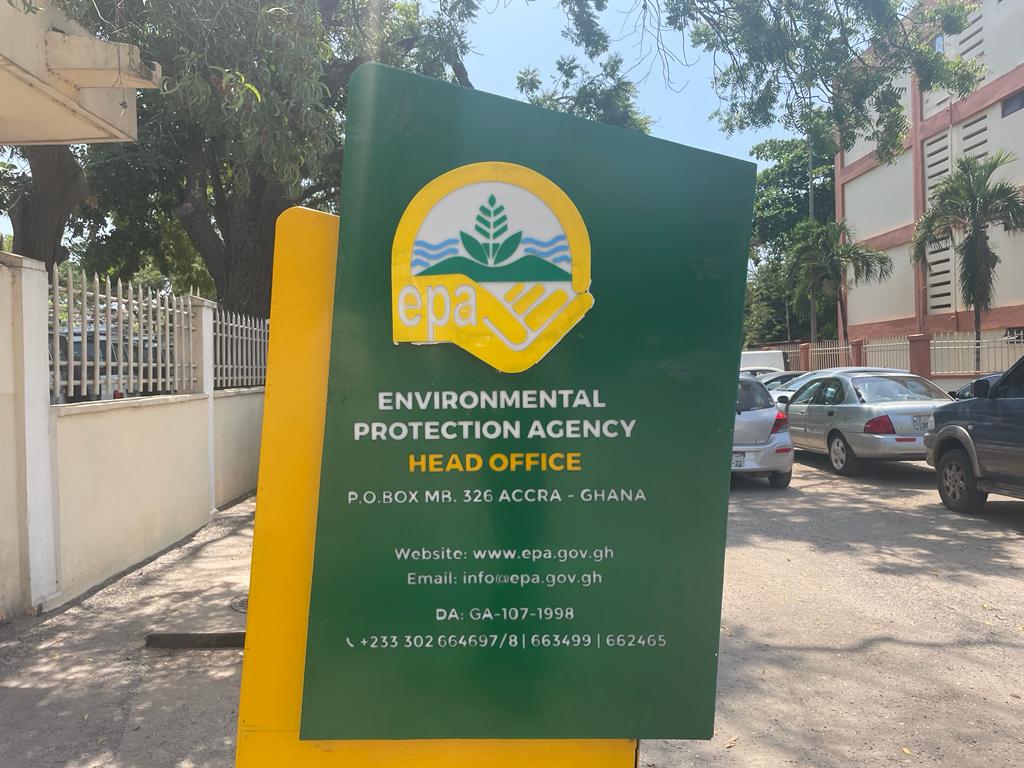
The Environmental Protection Authority (EPA) of Ghana has taken a significant step toward environmental sustainability by announcing a proposed ban on Styrofoam products, a move that has received strong endorsement from leading environmental experts. Dr. Owusu Fordjour Aidoo, a distinguished environmental scientist, lecturer at the University of Environment and Sustainable Development (UESD), and researcher, has praised the EPA’s initiative, emphasizing that the ban is long overdue given the severe ecological and health risks posed by Styrofoam.
Why the Styrofoam Ban is a Critical Environmental Victory
Styrofoam, a petroleum-based polystyrene foam, is notorious for its extreme resistance to decomposition. Unlike biodegradable materials, Styrofoam can persist in the environment for decades, if not centuries, accumulating in landfills, water bodies, and urban landscapes. Dr. Aidoo highlighted that this non-biodegradable nature makes Styrofoam a major contributor to Ghana’s sanitation crises, particularly in densely populated cities where improper waste disposal is rampant.
“The improper disposal of Styrofoam food containers and other plastic waste continues to exacerbate sanitation challenges across the country,” Dr. Aidoo stated in an interview with the Ghana News Agency. “This is not just an environmental issue—it is a public health emergency.”
Health Risks Linked to Styrofoam Exposure
Beyond environmental degradation, Styrofoam poses serious health hazards to Ghanaians. The material leaches toxic chemicals into the soil and water, which can contaminate food supplies and enter the human body through ingestion or inhalation. Long-term exposure has been linked to kidney damage and an increased risk of cancer, according to Dr. Aidoo.
“Good health is wealth, and the ban on Styrofoam can prevent many of the kidney and cancerous diseases that are now affecting Ghanaians,” he warned. “Food vendors, restaurants, and caterers must recognize the dangers of this petroleum-derived product and immediately cease its use.”
The Urgent Need for Immediate Action
While the EPA has scheduled the full enforcement of the ban for early 2027, Dr. Aidoo urged an accelerated timeline, arguing that factories producing Styrofoam should halt production immediately to mitigate ongoing environmental damage. “Every day that passes without action means more Styrofoam waste entering our ecosystems,” he explained.
The expert also emphasized that Styrofoam pollution is not confined to landfills—it frequently clogs gutters, drains, and waterways, worsening flooding and polluting wetlands and marine environments. “We are seeing this firsthand in major cities across Ghana,” he noted. “If we do not act now, future generations will inherit a legacy of pollution that will be nearly impossible to reverse.”
A Call for Collective Responsibility in Waste Management
Beyond regulatory measures, Dr. Aidoo stressed that public participation is essential in ensuring the success of the Styrofoam ban. “Keeping our environment clean is a shared responsibility,” he declared. “Every citizen must adopt responsible waste disposal habits and hold each other accountable.”
He urged Ghanaians to adopt a mindset shift—one that prioritizes sustainability over convenience. “We must protect our water bodies and wetlands from further contamination,” he urged. “This is not just about compliance with a law; it is about securing a healthier future for our children and grandchildren.”
The Broader Implications of Ghana’s Styrofoam Ban
The proposed ban aligns with global efforts to reduce single-use plastics, which have been linked to climate change, biodiversity loss, and public health crises. By taking this step, Ghana joins other nations—such as Rwanda, Kenya, and parts of the European Union—that have successfully phased out Styrofoam in favor of eco-friendly alternatives.
However, Dr. Aidoo cautioned that success will depend on enforcement, public awareness, and the availability of sustainable substitutes. “Simply banning Styrofoam without providing alternatives will not solve the problem,” he said. “We need to invest in education, infrastructure, and innovation to ensure that Ghanaians have access to safer, more durable materials.”
Conclusion: A Step Forward, But the Journey Continues
The EPA’s decision to ban Styrofoam is a positive stride toward environmental protection, but it is only the beginning of a larger fight against plastic pollution. Dr. Owusu Fordjour Aidoo’s call for immediate action, public engagement, and systemic change underscores the urgency of the situation. As Ghana moves toward a plastic-free future, the success of this ban will depend on government commitment, corporate accountability, and citizen participation—proving that collective effort is the key to a cleaner, healthier nation.
“Let us not wait until 2027 to act,” Dr. Aidoo concluded. “The time to protect our environment is now.”
