


Ghana has reached a critical juncture in its economic trajectory following the successful completion of the sixth and final review of its $3 billion Extended Credit Facility (ECF) program with the International Monetary Fund (IMF). The program, spanning 39 months, concluded with a final disbursement of $371 million, marking the end of a period of external oversight and signaling a shift toward self-sustained fiscal discipline and macroeconomic stability. The IMF’s assessment of Ghana’s performance under the program was broadly positive, highlighting declining inflation, improved fiscal management, and progress on structural reforms—key milestones for a nation that had previously grappled with severe debt pressures, macroeconomic instability, and eroding investor confidence.
Yet, the real test lies ahead: Can Ghana maintain these gains without the IMF’s conditional framework? Experts warn that while the reforms implemented during the program were necessary and largely effective, their long-term sustainability remains uncertain. The absence of external oversight could expose vulnerabilities, particularly in revenue generation, debt management, and shock absorption, areas where past economic crises have demonstrated Ghana’s fragility.
The Core Challenges Ahead: Fiscal Discipline and Revenue Mobilization
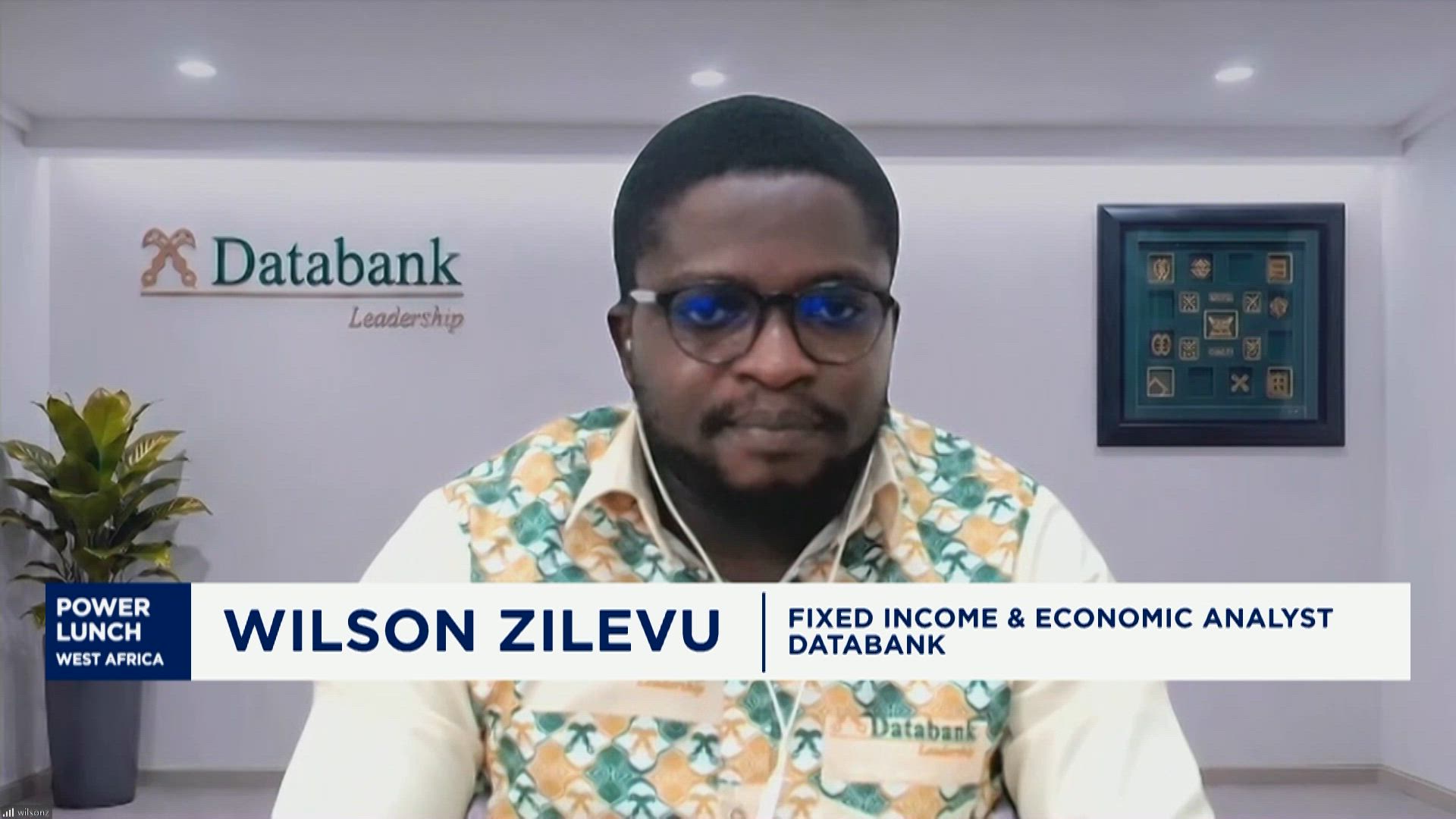
One of the most pressing concerns is ensuring fiscal discipline persists beyond the IMF’s watchful eye. Wilson Dele, a fixed-income and economic analyst at Data Bank, emphasizes that the real challenge is embedding these reforms into Ghana’s policy DNA rather than relying on external conditionality to enforce them.
At the heart of this challenge is revenue mobilization, particularly in expanding the tax base to capture informal sector activity, which accounts for a significant portion of Ghana’s economy. Currently, Value-Added Tax (VAT) collection remains inefficient, with estimates suggesting a 60% shortfall due to tax evasion, informal trade, and weak enforcement mechanisms.
To address this, Ghana is phasing in electronic point-of-sale (e-POS) systems in markets—a move aimed at reducing tax leakages and improving VAT compliance. If successful, this initiative could increase domestic revenue, reducing the government’s reliance on external borrowing and debt-financed spending. However, Dele cautions that sustained revenue growth will require strong institutional capacity and political commitment to resist short-term spending pressures.
Rebuilding Market Credibility and Managing Debt Sustainability
Ghana’s recent debt restructuring and high borrowing costs have left the economy highly sensitive to global financial conditions. A stronger domestic revenue base would provide policymakers with greater fiscal flexibility, allowing them to avoid rushed borrowing when external funding becomes costly.
The mid-year budget review indicated efforts to build fiscal buffers to mitigate debt-service pressures and clear arrears. However, Dele notes that while these measures are a step in the right direction, they must be complemented by explicit shock-absorption mechanisms to prevent future crises.
One critical gap identified is the absence of dedicated subsidies in the 2026 budget framework, a position Dele describes as problematic given Ghana’s vulnerability to external shocks. Subsidies, particularly for energy and food, have historically been politically contentious but remain necessary for stabilizing domestic prices during global disruptions.
Vulnerability to External Shocks: Oil Prices, Geopolitics, and Inflation Risks
Ghana’s economy remains highly exposed to global commodity price fluctuations, particularly oil and gold, which form the backbone of its foreign exchange earnings. A sudden spike in oil prices or a geopolitical crisis (such as supply chain disruptions or sanctions) could rapidly escalate inflation, weaken the cedi, and strain fiscal balances.
Dele warns that while long-term structural reforms are essential, they take time to yield results, leaving Ghana in a precarious transition period. Without proactive shock-absorption tools, the economy could quickly revert to crisis conditions, forcing policymakers to seek renewed IMF support or implement unpopular austerity measures.
To mitigate this risk, Dele advocates for a dedicated stabilization fund—distinct from existing heritage and sinking funds—to cushion against adverse shocks. By allocating a portion of commodity windfalls to this fund, Ghana could respond more effectively to spikes in import costs or energy prices, preventing sudden fiscal imbalances.
Diversifying the Economy: Beyond Cocoa, Gold, and Oil
Ghana’s economic growth has long been heavily reliant on traditional exports—cocoa, gold, and oil—sectors that are highly volatile due to global price swings and supply chain dependencies. To reduce this vulnerability, Dele argues that Ghana must accelerate diversification into non-traditional exports, including:
- Non-cash crops (e.g., cashew, shea butter, pineapple)
- Handicrafts and artisanal goods (e.g., textiles, wood carvings)
- Technology and manufacturing (e.g., agro-processing, pharmaceuticals, renewable energy)
Expanding these sectors would strengthen foreign exchange reserves, create jobs, and reduce dependence on commodity markets. However, this requires significant investment in infrastructure, skills training, and market access—areas where past policies have often fallen short.
The Road Ahead: Can Ghana’s Reforms Survive Without the IMF?
The IMF’s final review of Ghana’s program validates the effectiveness of the reforms but also highlights the need for sustained political will. The next critical phase will determine whether Ghana can:
- Entrench fiscal discipline in future budgets without slippage into deficit spending.
- Strengthen revenue collection through digital taxation and informal sector inclusion.
- Build fiscal buffers to absorb external shocks without relying on emergency borrowing.
- Diversify exports to reduce commodity dependence and stabilize growth.
If successful, Ghana could emerge as a more resilient economy, capable of navigating global volatility and sustaining long-term development. However, if reforms weaken under political pressure or external conditions worsen, the country risks relapsing into instability, forcing another IMF bailout or debt restructuring.
Conclusion: A Delicate Balance Between Prudence and Adaptability
Ghana’s post-IMF future hinges on striking a balance between fiscal prudence and adaptive policy-making. While austerity measures and structural reforms have stabilized the economy, they must be supplemented with flexible tools to manage unforeseen crises. The coming years will test whether Ghana’s leaders can maintain the gains of the IMF program while preparing for the next economic storm—one that may arrive before the full benefits of today’s reforms are realized.
The world will be watching closely as Ghana navigates this transition, determining whether its economic resilience is built on solid foundations—or merely delayed instability.
