


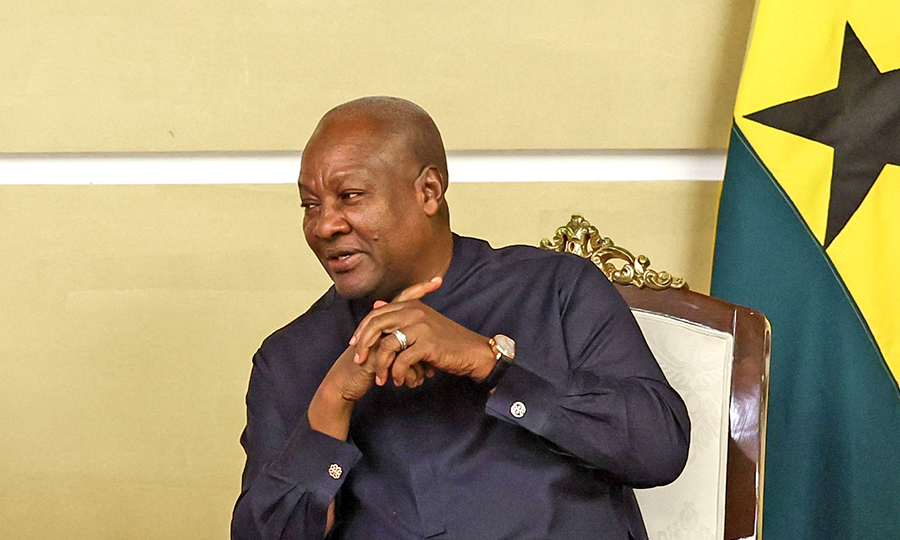
Ghana’s Bold Initiative: Launching the Ghana National Research Fund (GNRF) and the Road Ahead
Ghana has taken a significant stride toward fostering homegrown technological and scientific innovation with the launch of its Ghana National Research Fund (GNRF), a dedicated initiative aimed at bolstering research, development, and innovation within the country. The fund, inaugurated on June 16, 2014, in Accra, was allocated an initial ₵100 million ($9 million USD)—a substantial investment that signals Ghana’s commitment to reducing its dependency on imported technology. However, as the nation celebrates this milestone, critical questions linger: Will this funding be sustained, or will it remain a fleeting initiative?
A Declaration of National Priority: Why the GNRF Matters
At the inauguration, President John Dramani Mahama emphasized the fund’s significance, declaring it a “national declaration that knowledge, science, and innovation matter.” His remarks underscored a broader vision: Ghana’s long-term economic and technological sovereignty hinges on its ability to develop indigenous solutions rather than relying on foreign imports.
Countries that depend heavily on imported technology, he argued, “will always remain vulnerable”—a stark warning that resonates in an era where global supply chains and geopolitical tensions can disrupt access to critical technologies. The GNRF, therefore, is not just about funding research; it is about strengthening Ghana’s resilience in an increasingly interconnected world.
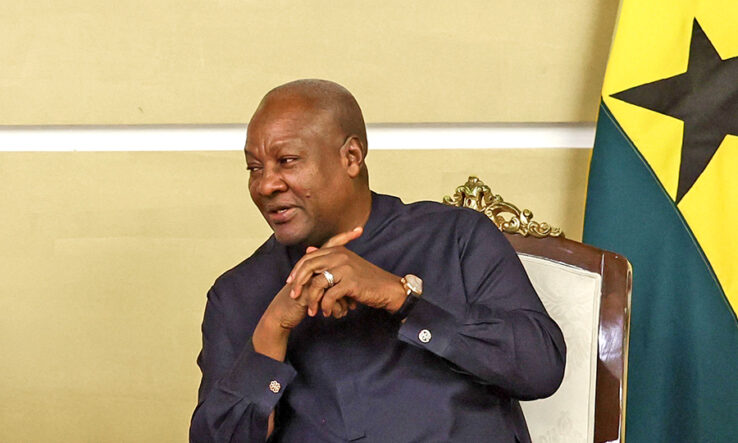
President John Dramani Mahama addresses the inauguration of the Ghana National Research Fund (GNRF) in Accra, June 2014.
(Source: MEAphotogallery [CC BY-NC-ND 2.0], via Flickr)
The image captures the moment of the fund’s launch, symbolizing Ghana’s official commitment to prioritizing research and innovation. However, beyond the ceremonial significance, the real test lies in implementation and long-term funding stability.
Funding Challenges: Will the GNRF Survive Beyond the Initial Allocation?
While the ₵100 million ($9 million USD) seed funding is a commendable start, experts and stakeholders have raised concerns about sustainability. Research funding in many developing nations often faces budgetary constraints, political shifts, and shifting priorities, leading to inconsistent support.
Ghana’s economy, like many in Africa, operates within limited fiscal resources, and allocating significant funds to research—especially in the early stages—requires political will and long-term planning. The question remains: Will subsequent governments maintain this commitment, or will the GNRF become a victim of budgetary cuts?
Some analysts suggest that diversifying funding sources, such as public-private partnerships, international collaborations, and corporate sponsorships, could help ensure the fund’s longevity. Without such measures, the risk of the GNRF fading into obscurity—like many other well-intentioned but underfunded initiatives—remains high.
The Broader Implications: How the GNRF Could Transform Ghana’s Tech Landscape
If successfully sustained, the GNRF could accelerate Ghana’s technological self-sufficiency in several key areas:
- Digital Innovation & Software Development
- Ghana’s tech sector has seen rapid growth, with startups and developers contributing to Africa’s growing software industry.
-
The GNRF could provide grants for local app development, AI research, and cybersecurity solutions, reducing reliance on foreign tech firms.
-
Healthcare & Medical Research
- Ghana’s healthcare system could benefit from domestic pharmaceutical research, reducing costs and improving access to essential medicines.
-
Funding for disease surveillance, vaccine development, and telemedicine could position Ghana as a regional leader in health innovation.
-
Agricultural Technology (AgriTech)
-
With agriculture being a major economic driver, the GNRF could support precision farming, drought-resistant crop research, and sustainable farming technologies, boosting food security.
-
Renewable Energy & Green Tech
-
Ghana’s push toward renewable energy (solar, wind, hydro) could be strengthened by localized research into energy storage, smart grids, and off-grid solutions.
-
Space & Satellite Technology
- Ghana’s GhanaSat-1, Africa’s first satellite, was a testament to the nation’s potential in space technology.
- The GNRF could fund advanced satellite research, remote sensing, and space-based applications, further cementing Ghana’s place in Africa’s tech revolution.
A conceptual illustration of Ghana’s potential in space and satellite technology, highlighting the role of research funds in advancing national innovation.
(Source: [Image placeholder for illustrative representation])
The image above represents the aspirational goals the GNRF could help achieve—from space exploration to everyday technological advancements. However, realizing these visions requires consistent funding, skilled researchers, and strong institutional support.
Lessons from Other African Nations: What Ghana Can Learn
Ghana is not alone in its quest for technological independence. Neighboring nations like Kenya, Nigeria, and Rwanda have also launched research funds and innovation hubs, with varying degrees of success.
- Kenya’s National Innovation Agency (NIA) has seen mixed results, with some projects thriving but others struggling due to funding gaps.
- Nigeria’s National Research Fund (NRF) has faced criticism over transparency and effectiveness, leading to calls for reform.
- Rwanda’s Innovation Hub has been more successful, thanks to strong government backing and private sector engagement.
Ghana’s GNRF could learn from these experiences by:
✔ Ensuring transparency in fund allocation
✔ Encouraging public-private partnerships
✔ Providing mentorship and capacity-building for researchers
✔ Measuring impact through clear KPIs (Key Performance Indicators)
The Path Forward: What Needs to Happen for the GNRF to Succeed?
For the Ghana National Research Fund to transcend its initial phase and become a lasting institution, several key actions must be taken:
- Political Commitment & Long-Term Budgeting
- Research funding should be protected from budget cuts and treated as a national priority, not a discretionary expense.
-
Future governments must legislate the fund’s sustainability, ensuring it is not easily dismantled.
-
Expanding Funding Beyond Government Allocations
- Corporate sponsorships (e.g., MTN, Ecobank, or local tech firms) could inject additional funds.
- International grants from organizations like the African Development Bank (AfDB), World Bank, or UNESCO could provide supplementary support.
-
Crowdfunding and venture capital for promising research projects could accelerate innovation.
-
Strengthening Research Infrastructure
- Universities and research institutions need better laboratories, data centers, and digital resources.
-
Collaborations with global research hubs (e.g., MIT, Stanford, or African universities like the University of Cape Town) could enhance expertise.
-
Promoting a Culture of Innovation
- School and university curricula should integrate STEM (Science, Technology, Engineering, Mathematics) education to nurture the next generation of researchers.
-
Incentives for researchers, such as tax breaks, grants, and recognition programs, could encourage talent retention.
-
Measuring Impact & Adjusting Strategies
- The GNRF should track progress through annual reports, success stories, and public feedback.
- Failed projects should be analyzed to refine future funding strategies.
Conclusion: A Promising Start, But the Journey Has Just Begun
The launch of the Ghana National Research Fund (GNRF) is a bold and necessary step toward reducing Ghana’s dependency on foreign technology. President Mahama’s vision—“knowledge, science, and innovation matter”—resonates as a call to action for a nation that seeks to stand on its own technological feet.
However, sustained success will not come easily. The fund must evolve beyond its initial allocation, securing long-term funding, political backing, and strategic partnerships. If Ghana can build on this momentum, the GNRF could transform the nation’s economy, education, and global standing—making it a beacon of innovation in Africa.
For now, the world watches closely. Will Ghana’s research fund be remembered as a promising beginning—or will it fade into history? The answer lies in action, consistency, and unwavering commitment.
