


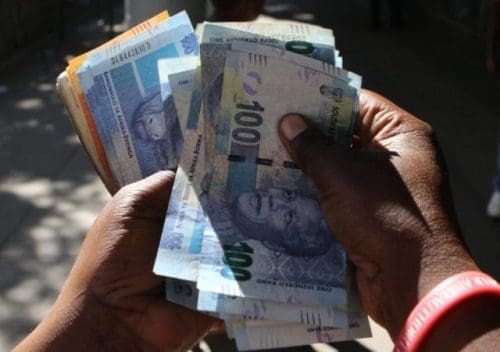
The World Bank Group and Citigroup have signed a 1.6 billion rand ($98 million) borrowing facility designed to expand local currency lending in South Africa, the latest step in a broader push by development finance institutions to reduce currency mismatch risks across emerging markets.
The facility was signed on April 14, 2026, and is arranged through the World Bank’s private-sector arm, the International Finance Corporation (IFC). It will strengthen the IFC’s capacity to lend in South African rand rather than hard currencies such as the US dollar.
The arrangement addresses a structural problem common across developing economies, where businesses typically earn revenue in domestic currency but are often forced to borrow in dollars or euros, leaving them exposed to sharp exchange rate movements that can rapidly inflate debt servicing costs when local currencies depreciate.
A Global First in Outcome Bonds
The facility has already been deployed to support the IFC’s anchor investment into the Cape Water outcome-based bond issued by FirstRand Bank, which the institutions describe as the first outcome bond issued by a commercial bank anywhere in the world.
Jorge Familiar, Vice President and Treasurer at the World Bank Group, said local currency financing and capital markets development in emerging and developing markets are critical priorities for the institution, adding that the facility demonstrates what partnerships with the private sector can deliver in support of long-term finance for job creation.
Stephanie von Friedeburg, Citi’s Global Head of Public Sector Banking, said the rand facility builds on experience gained elsewhere on the continent.
Africa as a Testing Ground
The transaction builds on a similar facility in Kenyan shillings that the IFC and Citi signed in 2024. Familiar described the Kenya deal as the pilot and the South Africa arrangement as proof that a tested model can be replicated in other markets. The two institutions have stated they plan to extend the structure to additional countries.
Over the past decade, the IFC has committed more than $33 billion in local currency financing across 71 currencies, reflecting a long-term institutional shift away from hard currency lending in developing markets.
Scale and Structural Questions
Despite the symbolic significance of the deal, its size relative to South Africa’s financing needs is modest. South Africa operates one of the most developed financial systems on the continent, with a capital market measured in trillions of rand, and analysts have long argued that the binding constraint in such markets is not the absence of instruments but the depth of domestic liquidity, prevailing risk appetite, and macroeconomic conditions including fiscal credibility and inflation expectations.
The facility’s value, therefore, may lie more in demonstrating a replicable model than in shifting aggregate credit conditions. Whether it catalyses broader market behavior will depend on how consistently similar structures can be deployed and whether the underlying investment climate in South Africa can support sustained local currency lending at meaningful scale.
Currency volatility across sub-Saharan Africa, including periodic sharp moves in the rand and Nigeria’s naira in recent years, has kept the issue of currency mismatch near the top of the agenda for both development lenders and corporate borrowers seeking long-term financing without taking on foreign exchange risk.
