
Football’s enduring reputation as “the beautiful game” has long symbolised hope, opportunity, and social mobility. For many young Ghanaians, it represents a pathway out of poverty and into global recognition. Yet, beneath that promise lies a darker reality—one that is increasingly drawing concern from authorities and international organisations.
In Ghana, traffickers are exploiting the dreams of aspiring athletes, luring them and their families with promises of trials abroad, lucrative contracts, and access to elite training facilities. What often follows, however, is exploitation, shattered ambitions, and lasting trauma.
Alarmed by this growing trend, the International Organization for Migration (IOM), in partnership with Ghana’s Ministry of Sports and Recreation, has intensified efforts to confront the issue head-on.
A recent gender-sensitive baseline assessment conducted by both bodies revealed the depth of the problem. An overwhelming 95.56% of respondents expressed interest in pursuing sports careers abroad, with financial incentives and better facilities cited as key motivations. Traffickers have capitalised on these aspirations, with more than 30% of respondents admitting they had been lured into exploitative situations under the guise of opportunity.
- Media Engagement as a Strategic Tool
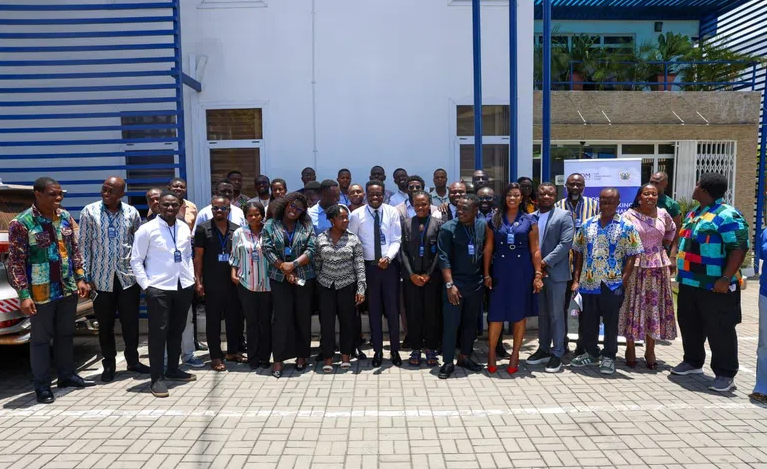
In response, the IOM and the Ministry convened a media workshop on April 15, 2026, at the organisation’s head office in Accra. The aim was to equip journalists with the knowledge and tools needed to tackle human trafficking within the sports sector responsibly and effectively.
The workshop explored trafficking trends, legal definitions, and ethical reporting practices. Participants were guided on how to handle victim interviews sensitively, differentiate between migrant smuggling and human trafficking, and navigate the challenges posed by digital platforms increasingly used by traffickers.
According to the United Nations Trafficking Protocol, human trafficking involves the recruitment or movement of individuals through coercion, deception, or force for the purpose of exploitation—a definition that applies both within and across national borders.
- A Hidden Threat in Plain Sight
Speaking at the workshop, Abena Annobea Asare, Director of the Human Trafficking Secretariat at the Ministry of Gender, Children and Social Protection, stressed that trafficking is not a distant threat but a present danger within Ghanaian communities.
She warned that traffickers often disguise themselves as legitimate agents offering life-changing opportunities, only to subject victims to forced labour or sexual exploitation.
“These traffickers often present attractive opportunities, but victims end up being exploited in various forms,” she said, highlighting the role of misinformation and misplaced trust in enabling such crimes.
Asare also cautioned journalists against inadvertently amplifying fraudulent schemes, noting that the media must remain vigilant in its gatekeeping role.
- Exploitation Masked as Opportunity
The workshop underscored how traffickers operate with calculated precision, particularly within football. Fake trials, forged documents, and fabricated links to European clubs are used to convince desperate families to invest heavily in false opportunities.
Officials warned that unauthorised agents are increasingly at the centre of these operations, blurring the line between legitimate representation and criminal activity.
Participants were urged to scrutinise sports-related advertisements and verify the credibility of agents and recruitment claims before publication.
- Ethical Reporting at the Core
ACP William Ayariga called for greater professionalism in reporting trafficking cases, emphasising the need to avoid sensationalism and protect victims from further harm.
“Reporting of human trafficking requires the highest level of professionalism,” he noted, urging journalists to avoid stereotypes and ensure their work does not retraumatise survivors.
The workshop concluded with a strong call for the media to play a frontline role in combating trafficking by prioritising accuracy, building credible sources, and telling victims’ stories with dignity.
- A Collective Responsibility
As trafficking networks continue to exploit the dreams tied to sport, the responsibility to counter them extends beyond law enforcement. For the media, every report carries weight—either as a tool for awareness or, if mishandled, a gateway for further exploitation.
In the battle against human trafficking in sport, a vigilant and informed press may prove to be one of the most powerful defences.

