
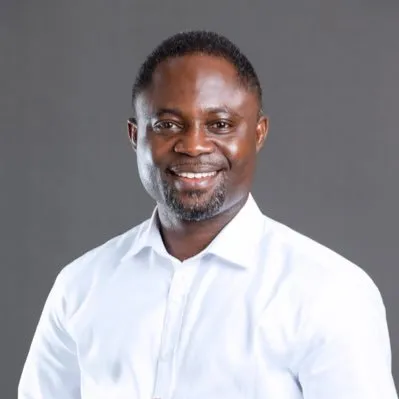
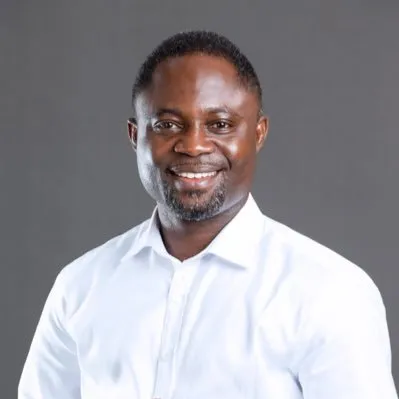
Health Minister Kwabena Mintah Akandoh has called for a fundamental change in how Ghanaians relate to healthcare, arguing that the country’s health system cannot advance if citizens only seek medical attention when they are already seriously ill.
Speaking on Asempa FM following the launch of the government’s Free Primary Healthcare programme, the minister described the current behaviour pattern as one of the most persistent obstacles to building a stronger health system. “We are shifting from sick care to true healthcare. We want to change the narrative from only visiting the hospital when you are ill to making regular check-ups a priority for early prevention of diseases,” he said.
Akandoh acknowledged that Ghana has not yet achieved universal health coverage and said bridging that gap remains a central objective of the current administration. “This means that wherever anyone finds themselves and their status in the community, with or without money, one must get good healthcare, but those of us in Ghana have not yet arrived at that stage,” he said, adding that the National Health Insurance Authority (NHIA) and Community-based Health Planning and Services (CHPS) compounds represent important progress but that more remains to be done.
The minister also raised alarm over the rising toll of non-communicable diseases, pointing to conditions including hypertension, diabetes, stroke, and cancer as threats that often go undetected until they become life-threatening. He said the Ghana Medical Care Trust Fund, known as MahamaCares, was introduced specifically to fill gaps left by the National Health Insurance Scheme (NHIS) in covering these conditions.
The Free Primary Healthcare initiative forms part of a new policy under which the government will absorb the cost of basic healthcare services to reduce financial barriers and expand access, with the programme initially rolling out in 150 districts across all 16 regions, targeting underserved communities, with plans to achieve nationwide coverage by 2028.
The minister clarified that the initiative will focus on CHPS compounds, health centres, and polyclinics, and does not extend to teaching hospitals or regional hospitals. “We are not saying that the whole healthcare system will be free, but it is the primary healthcare level,” Akandoh said.
He framed the initiative as a long-term investment in early detection rather than crisis response. “Instead of always focusing on treatment, we can go back and assess the causes or sources of these illnesses before they escalate,” the minister stated.

