


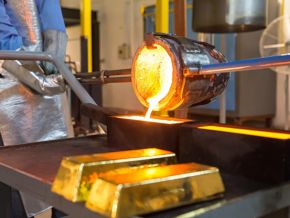
- Ghana signed deals with local refiners to process more gold domestically
- GoldBod will supply up to one ton of unrefined gold weekly to Royal Gold Refinery
- Ghana aims to keep more gold revenues, jobs and refining profits in the local economy
Ghana’s state gold regulator, the Ghana Gold Board (GoldBod), signed an agreement Monday with local refiner Royal Gold Refinery to process gold mined in the country, as Accra steps up efforts to expand domestic refining capacity and capture more value from the sector.
Ghana Expands Domestic Refining Capacity
Under the partnership, GoldBod will supply Royal Gold Refinery with up to one metric ton of unrefined gold per week for processing. A similar weekly supply agreement had already been signed between GoldBod and Gold Coast Refinery in January, in what authorities described as the government’s first partnership with a local gold refinery.
Financial details of the agreements were not disclosed. GoldBod said the initiative forms part of its strategy to refine locally all gold purchased from both artisanal and industrial miners.
As regulator of Ghana’s gold market, GoldBod is currently purchasing about 2.45 metric tons of gold per week from artisanal miners, in addition to 0.55 metric tons from large-scale mining companies. Since 2022, major miners have been required to sell 20% of their annual gold output to the state, a quota the government wants to raise to 30% from June.
Keeping More Value Inside the Economy
By refining more gold locally, GoldBod aims to retain refining fees within the Ghanaian economy instead of paying foreign refiners. Authorities also expect to recover and monetize silver and other valuable byproducts generated during the refining process.
The government is also counting on higher export earnings from selling refined rather than unrefined gold. The stakes are significant for Ghana, where gold accounted for 67.2% of export revenues in 2025. Authorities additionally expect the initiative to support local employment. GoldBod said in February that the launch of deliveries to Gold Coast Refinery had already resulted in the hiring of about 162 Ghanaian workers at the facility.
While the initiative could generate substantial economic gains, its long-term impact will depend on how operations scale across the country’s refining hubs. Beyond the expected benefits for the state, a major challenge will be GoldBod’s ability to ensure fair compensation across the supply chain, particularly for artisanal miners, who remain the main suppliers of feedstock.
These challenges come as gold prices remain near record highs after rising about 70% last year. Strong price rallies have historically encouraged smuggling, with some producers seeking higher prices through unofficial channels.
Aurel Sèdjro Houenou
