


By Benjamin Akoto
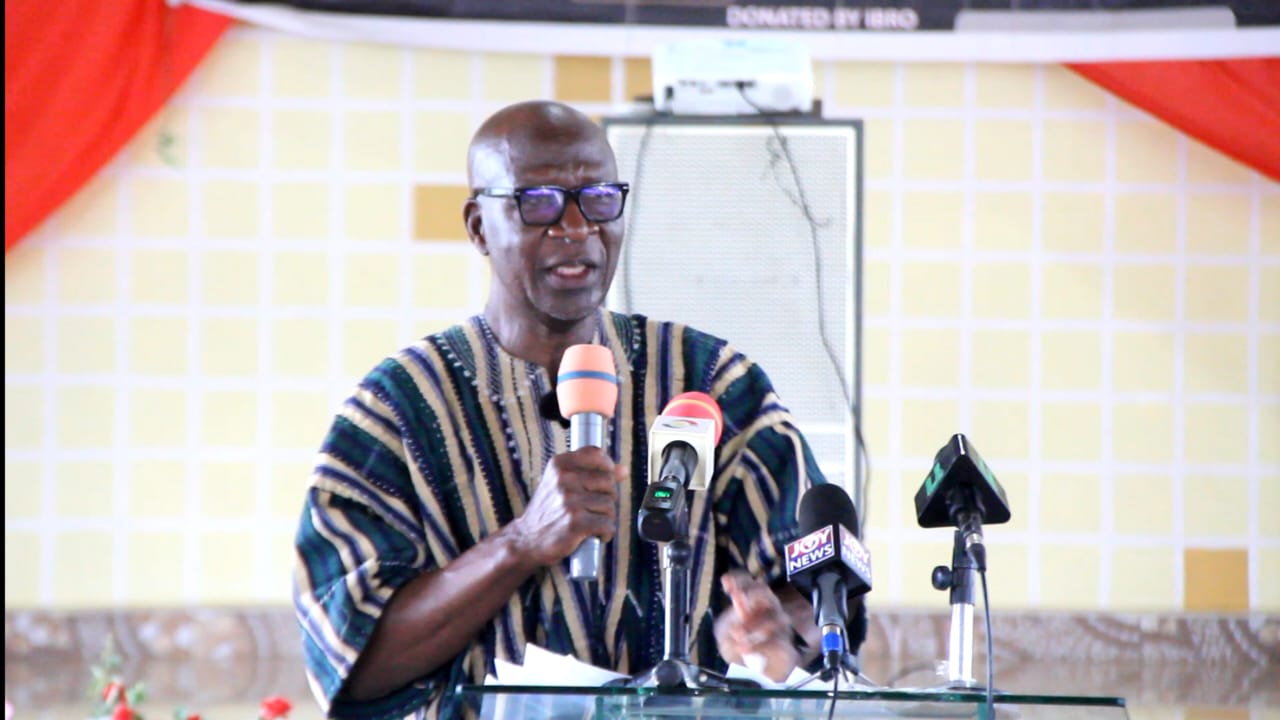
Banda-Ahenkro, (Bono), June 4, GNA- Dr William Ahadzi, the Rector of the Ghana Institute of Social Democracy has lauded the June 4, 1979 uprising, saying that revolution plays a significant role in shaping Ghana’s political stability and democratic development.
He said the uprising was an event that altered the course of the nation’s history and laid out a solid foundation for democratic principles and values that continued to guide the nation’s governance.
Dr Ahadzi gave the commendation when speaking at a public lecture held at Banda-Ahenkro in the Banda District of the Bono Region to commemorate the 47th anniversary of the June 4 uprising.
The lecture was on the theme: “Strengthening State Institutions: Lessons from the June 4, 1979 Uprising.”
Dr Ahadzi said: “The uprising served as a powerful reminder that leaders who abuse power can be held accountable, either through popular resistance or by members within their own ranks.
He added: “The uprising sent a strong message about accountability, fairness, social justice and transparency in the management of public resources”.
Dr Ahadzi noted that the principles underpinning the 1979 revolution had continued to influence the nation’s political landscape, underscoring the importance of responsible leadership and public accountability.
He stressed that strengthening state institutions remained essential to preventing violent uprisings and maintaining political stability.
Dr Ahadzi observed that institutions like the Commission on Human Rights and Administrative Justice (CHRAJ) emerged from the national desire to ensure integrity and accountability in public service.
He called for strict adherence to the rule of law and warned that: “Arbitrary justice, illegal actions and perceived unfairness within the judicial system can trigger public unrest”.
“When the neutrality and professionalism of the military and other security agencies aren’t protected and they become involved in governance, discipline, professionalism and the chain of command can be compromised, and thereby threaten democratic stability”, he stated.
Dr Ahadzi linked institutional stability to economic wellbeing, saying that extreme inequality and economic hardship could erode public confidence in state institutions.
“We must promote inclusive economic development to ensure that citizens maintain trust in state institutions and democratic governance,” he advised.
Mr Ahmed Ibrahim, the Minister for Local Government, Chieftaincy and Religious Affairs, urged the current governing party, the National Democratic Congress to intensify efforts in sensitising the youth about the significance of the June 4 Revolution.
“When your opponent writes your history, they may present it from their own perspective. The facts about June 4 remain the facts and must be preserved for future generations,” he stated.
Mr Ibrahim called on the United Cadres Front (UCF) to continue to play its watchdog role by offering constructive criticism whenever the NDC strayed from its founding principles.
He stressed the need to preserve the legacies of the late former President Jerry John Rawlings and other statesmen for the younger generation to understand and appreciate their contributions to the nation’s democratic journey.
GNA
Edited by Dennis Peprah/Benjamin Mensah
Reporter: Benjamin Akoto
Reporteer’s email: [email protected]
