


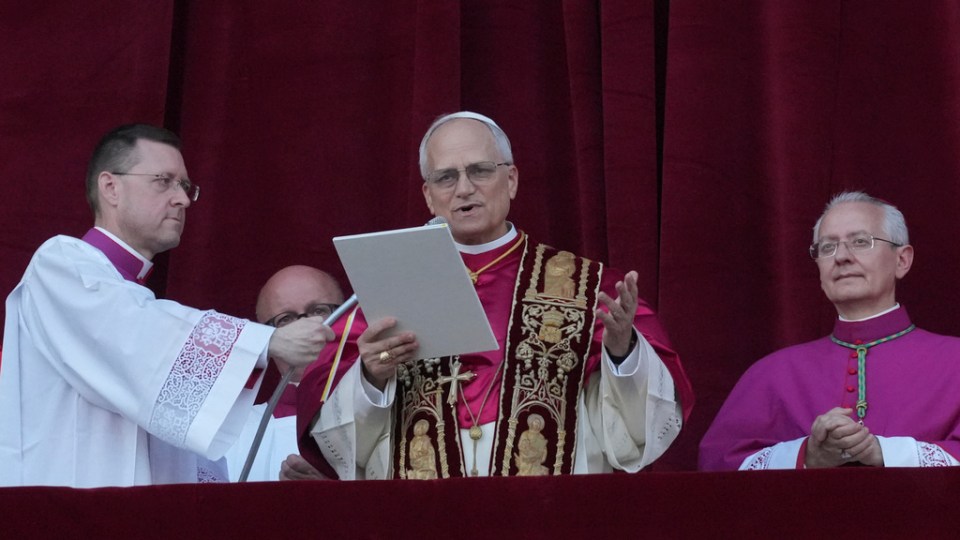
Pope Leo XIV has acknowledged the Catholic Church’s historical role in slavery and called for restorative justice for communities still affected by past injustices, though he stopped short of explicitly endorsing slave reparations.
In his encyclical, the Pope described slavery as “a wound in Christian memory” and issued an apology on behalf of the Church for its complicity in the transatlantic slave trade and related systems of oppression.
“This constitutes a wound in Christian memory, one from which we cannot consider ourselves detached,” he wrote. “For this, in the name of the Church, I sincerely ask for pardon.”
The document recognised that Church institutions and some religious authorities tolerated or legitimised slavery for centuries before the practice was universally condemned.
The Pope also stressed the need for what he described as “restorative justice,” arguing that historical injustices such as colonialism, racial discrimination and exploitation continued to affect many communities today.
He said justice should not only punish wrongdoing but also seek to “mend broken bonds” and address the lasting effects of past abuses.
According to the encyclical, restorative justice could include restoring dignity and voice to affected communities, healing collective memory and providing support to people who continued to bear the consequences of historical exploitation.
The remarks are expected to reignite global conversations around reparatory justice and the legacy of slavery, particularly in Africa, the Caribbean, and the Americas, where calls for reparations have intensified in recent years.
However, the Pope did not explicitly call for financial compensation or a formal reparations programme for descendants of enslaved people. Analysts say the document instead frames the issue within broader moral and social justice principles.
The Vatican’s position is likely to draw attention from advocacy groups and governments that have been pushing former colonial powers and institutions linked to slavery to acknowledge historical responsibility and support reparative initiatives.
