


By Linda Naa Diede Aryeetey, GNA
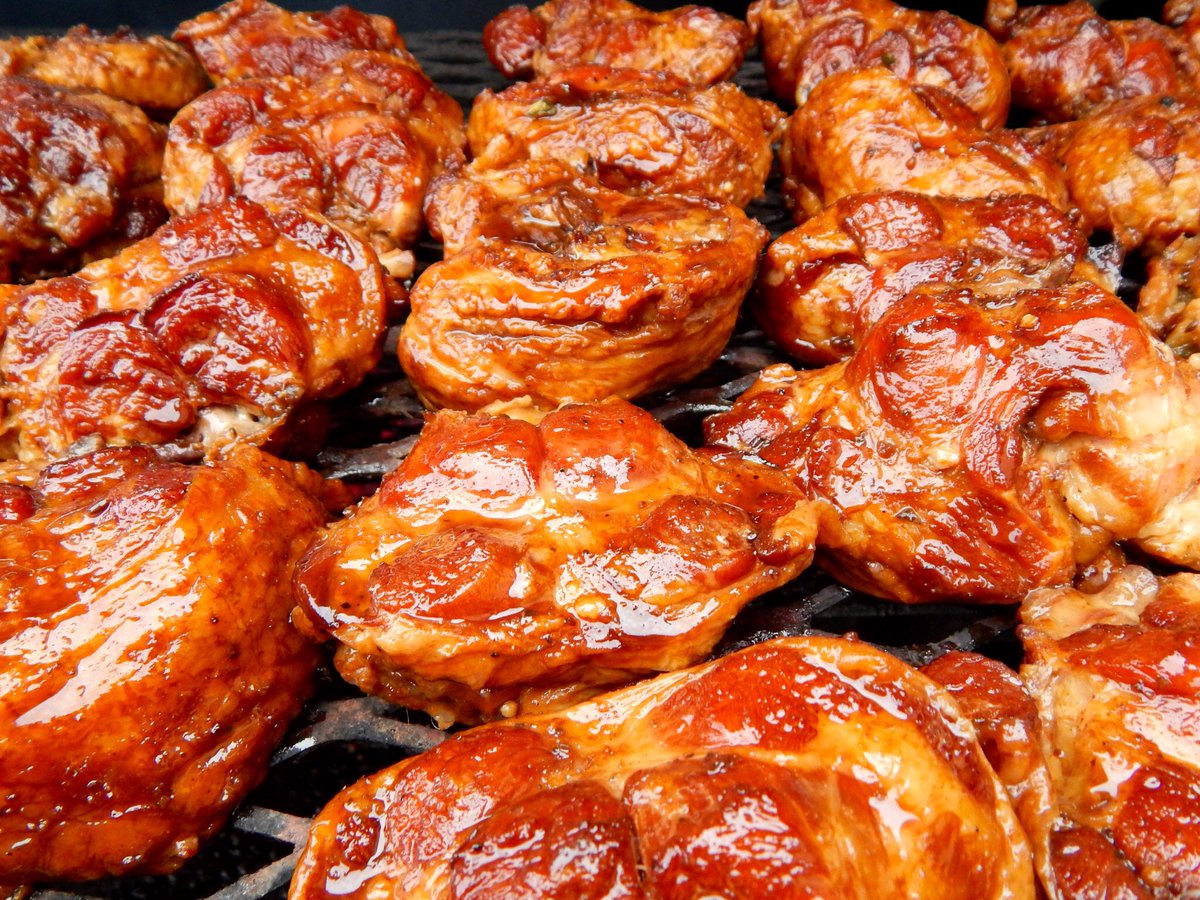
Accra, May 17. GNA – Dr Maxwell Bisala Konlan, a Senior Dietician at the University of Ghana Hospital has warned that although Turkey Tail commonly known as Chofi may be tasty, its high fat content makes it unhealthy.
It increases the risk of obesity, hypertension and other non-communicable diseases.
He said Chofi remained one of the foods commonly restricted for patients battling high cholesterol and its related health conditions.
“In our clinical practice, one of the foods we normally restrict when you have high cholesterol is Turkey Tail, commonly known as Chofi,” he told the Ghana News Agency in an interview.
The Dietician said scientific evidence had consistently shown that people who consumed large amounts of Chofi were at a greater risk of developing high cholesterol because of its excessive fat content.
“People who consume it excessively are at risk of excess weight gain and high cholesterol, although it is a source of protein, the health risks outweigh the benefits,” he said.
Dr Konlan explained that Chofi contains more that 15 per cent of fat which is higher than the daily recommended fat intake of two tablespoons for adults.
“Once cholesterol builds up in the blood vessels, it restricts blood flow and can eventually lead to high blood pressure and heart diseases,” he explained.
He expressed concern about the way Chofi was often prepared and sold in Ghana, especially as a street food delicacy.
“It is usually deep-fried, and in many cases the same oil is reused for several days, that creates harmful trans fats and free radicals which further increase the health risks,” he said.
The dietician advised consumers to choose healthier protein alternatives such as fish, beans, eggs, skinless chicken and lean meat.
“If people can avoid it entirely, that would be better, but if they still want to eat it, then it should only be taken occasionally and not become a regular part of the diet,” he advised.
Dr Konlan’s remarks come at a time when debate over the continued sale and consumption of Chofi has resurfaced following a recent public reminder by the Food and Drugs Authority that Turkey Tail remains banned in Ghana on its Facebook page.
Despite the ban since 1999, Chofi continues to quietly circulate within some frozen food markets and roadside food joints across the country.
On Ghana’s frozen food market, Turkey Tail has even acquired another name “Aboloway” used discreetly among traders and trusted customers to avoid attracting attention.
“If you come to us and ask directly for Chofi, we become suspicious because we know it is illegal to sell it in Ghana, so we sell with extra caution,” Mame Ama, not her real name, a frozen food trader in Accra, told the GNA.
She said the product usually entered Ghana through neighbouring Togo in small quantities and is not always readily available.
Mame Ama, who has been in the frozen food business for about 15 years, said she mostly sold Chofi to food vendors and people preparing large-scale meals for parties and ceremonies.
“For those who come to buy it for home use, I discourage them from buying,” she said.
A visit by the GNA to some markets in Accra showed that Chofi was scarce and usually sold discreetly to trusted customers.
Currently, a box of Chofi sells for about GH¢650, making it more expensive than some frozen chicken parts.
Traders say the high price reflects the risks involved in the sale of the banned product.
Meanwhile, Mr Roderick Kwabena Dadie Agyei, Deputy Chief Executive Officer in charge of the Food Division at the Food and Drugs Authority, said the Authority’s recent caution was intended to protect public health and encourage healthier eating habits.
He said that the restriction on Turkey Tail was introduced by the Ghana Standards Authority about two decades ago to control the importation of fatty meat products into Ghana.
He said the high fat content in Chofi was linked to non-communicable diseases, which account for about 43 to 45 per cent of deaths in Ghana.
Mr Agyei said the FDA does not permit the importation of Turkey Tail into Ghana stating, “At the FDA’s physical inspection points at the ports, we do not have records showing that Turkey Tail has been legally imported into Ghana.”
He called on the public to support efforts to enforce the ban and make healthier dietary choices for public good.
GNA.
Linda Naa Deide Aryeetey
[email protected]
Edited by Samuel Osei-Frempong
