


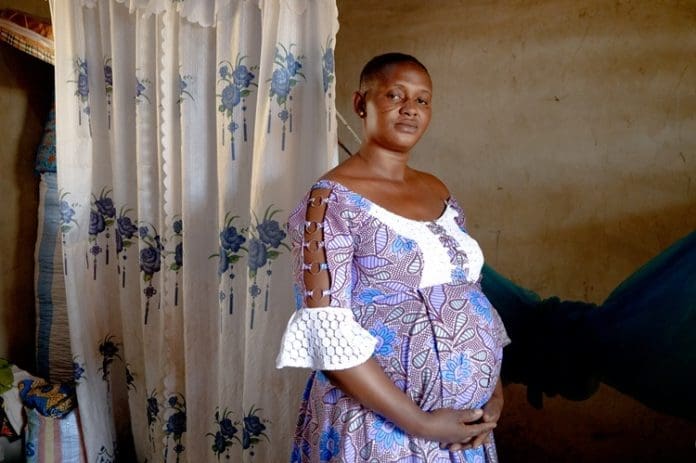
When Alahire, 29, from the Bongo District of Ghana’s Upper East Region, packed her bag for the birth of her fourth child, she put in six yards of cloth, a delivery pad, an antiseptic, and a mosquito net. Not comforts. Necessities she has learned the health facility will not provide. Not clean water. Not a working toilet. Not a bathroom.
Francesca, 34, prepared for her second delivery in Accra. Her bag held a breast pump, baby wipes, nappies, moisturising cream, and talcum powder. Two women. One country. Two entirely different understandings of what giving birth in Ghana requires of a mother.
Their bags form part of WaterAid’s Time to Deliver campaign, which uses maternity bags to expose the unequal conditions shaping childbirth outcomes across 13 countries. The campaign, launched globally in May, calls on governments, partners, and the private sector to urgently invest in water, sanitation and hygiene (WASH) in healthcare facilities before a United Nations Water Conference in December.
The figures underneath the photographs are unsparing. WaterAid’s “Born Without Water” report, published on March 18, 2026, found that across 10 Sub-Saharan African countries, three in four births occur in delivery rooms without basic protections. Sixty-five percent of facilities have no proper cleaning. Sixty-six percent have no handwashing facilities and soap. Seventy-eight percent have no decent toilets. Midwives deliver babies with unclean hands. Mothers emerge from birth to wash in unclean rivers with open wounds. The outcome is maternal sepsis in one in nine births across Africa, killing approximately 13,000 women every year, 36 mothers every single day, and making women in the region 144 times more likely to die from sepsis than women in Western Europe and North America.
Ghana occupies no safe distance from these numbers. WaterAid’s 2025 figures show that 98% of health centre births in the country took place without basic sanitation. One in three births occurred without any basic water service. Forty-three percent of facilities lacked handwashing access, 59% had no environmental cleaning, and 69% lacked safe waste management. Ghana has signed international commitments on maternal health. These figures record how far those commitments remain from the facilities where women give birth.
For Alahire, the gap is daily and specific. She described what happens after delivery at facilities in her area: women are sent outside the building to urinate in the open because there is no working toilet inside. She asked for a bath and a toilet. Not equipment. Not medication. A bath and a toilet.
Francesca, speaking from Accra, drew the same line from her own vantage point, saying that bringing new life into the world without clean water creates a disease risk at the moment of birth, and that health facilities must have good hygiene from staff, cleaners, and mothers alike.
“The solution is known, affordable, and achievable,” said Ewurabena Yanyi-Akofur, Country Director of WaterAid Ghana.
The organisation estimates that universal WASH access in healthcare facilities could prevent 10 million cases of maternal sepsis and 8,580 deaths globally every year, at a cost of less than one US dollar per person, significantly lower than the cost of treating sepsis after it develops. Ghana has the policy commitments on paper. The Time to Deliver campaign asks governments to convert them into funded, measurable action before the December UN Water Conference closes a critical accountability window.
What a woman packs for delivery day should reflect her hopes, not the failures of the facility she is about to enter. In Ghana’s Upper East Region and beyond, too many women are still packing for a health system that is not ready to receive them.
