


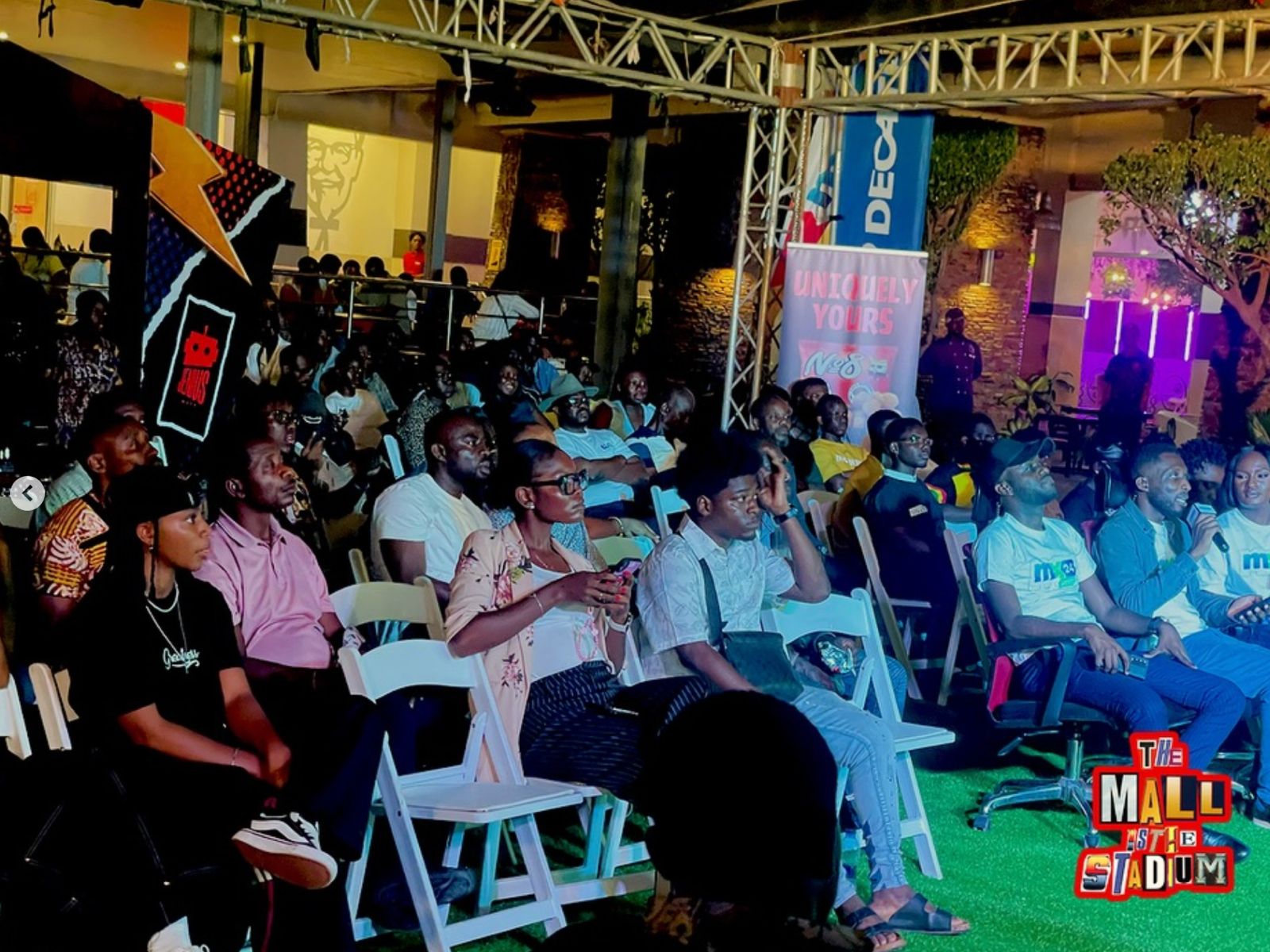
In recent years, Ghana’s bustling urban centers have witnessed a fascinating evolution in how fans engage with sports and entertainment. Traditionally, stadiums have been the epicenters of excitement, but an innovative trend is emerging: Ghana’s largest malls are transforming into ultimate fan zones, offering immersive experiences that rival the energy of traditional sporting venues. This shift is not just about convenience—it’s a strategic move to blend commerce with community engagement, creating vibrant hubs where shopping, entertainment, and fandom intersect.
The Rise of Mall-Based Fan Zones
The concept of turning malls into fan zones is gaining traction globally, and Ghana is no exception. With the country’s growing middle class and increasing disposable income, malls like Westfield Accra, Mall of Africa, and the newly opened Mall of Legends have become more than just retail spaces. They are now multi-functional entertainment hubs, designed to host live events, fan meetups, and interactive experiences that cater to sports enthusiasts, music lovers, and cultural aficionados.
One of the most notable examples is the Black Stars Fan Zone at Westfield Accra, where Ghana’s national football team fans can gather before and after matches. These zones are equipped with high-definition screens, interactive fan walls, and themed merchandise stalls, creating an atmosphere that mirrors the electric energy of a stadium. The idea is to extend the excitement beyond the pitch, ensuring fans remain engaged even when they’re not physically at a match.
Why Malls Are the New Stadiums
Several factors are driving this shift:
-
Accessibility and Convenience
Unlike stadiums, which often require long commutes and parking hassles, malls are centrally located in major cities. Fans can easily combine shopping with their fandom, making the experience more seamless. For instance, after a Black Stars match, supporters can head straight to a mall for retail therapy, dining, or entertainment—all within the same vicinity. -
Enhanced Fan Engagement
Malls offer interactive experiences that traditional stadiums cannot replicate. Virtual reality (VR) gaming zones, live streaming areas, and fan meet-and-greets with athletes or celebrities are becoming common features. For example, during major tournaments like the African Cup of Nations (AFCON), malls host fan competitions, trivia games, and themed parties, fostering a sense of belonging among supporters. -
Economic and Commercial Synergy
By hosting fan zones, malls attract higher foot traffic, boosting sales for retailers. Merchandise related to sports teams, movies, or cultural events becomes a high-demand product, benefiting both the mall and its tenants. Additionally, partnerships with sports brands, event organizers, and local businesses create a symbiotic relationship where everyone—from mall owners to small vendors—benefits. -
Adaptability to Different Events
Unlike stadiums, which are fixed in their purpose, malls can quickly reconfigure spaces for various events. Whether it’s a Black Stars match, a music concert, or a cultural festival, malls can transform their layouts to accommodate large crowds. This flexibility makes them ideal for hosting multiple events throughout the year, ensuring year-round engagement.
Case Study: Westfield Accra’s Black Stars Fan Zone
Westfield Accra, one of Ghana’s largest shopping centers, has set a benchmark with its dedicated Black Stars Fan Zone. Located near the mall’s entertainment complex, this space is designed to mimic the atmosphere of a stadium but with added comforts. Key features include:
- Live Match Screenings: High-definition screens broadcast matches in real-time, allowing fans to watch even if they can’t attend the game.
- Interactive Fan Walls: Digital boards display real-time stats, player highlights, and fan messages, creating a dynamic and engaging environment.
- Themed Merchandise Stalls: Exclusive jerseys, memorabilia, and fan gear are sold at discounted rates, encouraging purchases.
- Fan Meetups and Parties: Before and after matches, the zone hosts themed parties, live music, and fan discussions, turning shopping into a social experience.
This model has been so successful that other malls, such as Mall of Africa in Accra and the newly opened Mall of Legends in Kumasi, are following suit, creating their own dedicated fan zones for local and international events.
The Future of Fan Zones in Ghana’s Malls
The trend is expected to grow, with more malls integrating smart technology, augmented reality (AR), and personalized fan experiences. For instance:
– AR Try-Ons: Fans could use their smartphones to virtually try on team jerseys before purchasing.
– AI-Powered Recommendations: Algorithms could suggest personalized merchandise based on a fan’s preferences.
– Virtual Fan Clubs: Digital memberships could offer exclusive discounts, early access to events, and virtual meetups with athletes.
Additionally, collaborations with social media influencers could further amplify the reach of these fan zones, turning them into must-visit destinations for both locals and tourists.
Challenges and Considerations
While the concept is innovative, it also presents challenges:
– Space Management: Malls must balance retail operations with event hosting, ensuring that fan zones do not disrupt regular shopping activities.
– Security and Crowd Control: Large gatherings require robust security measures to prevent overcrowding and ensure safety.
– Sustainability: Hosting frequent events may lead to higher operational costs, requiring malls to find cost-effective solutions without compromising quality.
Despite these challenges, the potential benefits far outweigh the drawbacks, making mall-based fan zones a viable and exciting evolution in Ghana’s entertainment landscape.
Conclusion: A New Era of Fan Culture
Ghana’s malls are no longer just places to shop—they are becoming cultural and social hubs where fans can connect, celebrate, and engage in ways that were once unimaginable. By blending retail, entertainment, and fandom, these spaces are redefining the spectator experience, ensuring that the spirit of Ghana’s passion for sports and culture thrives beyond the confines of traditional venues.
As the trend continues to grow, one thing is clear: the mall is becoming the new stadium, and the future of fan engagement in Ghana looks brighter—and more dynamic—than ever before.
