


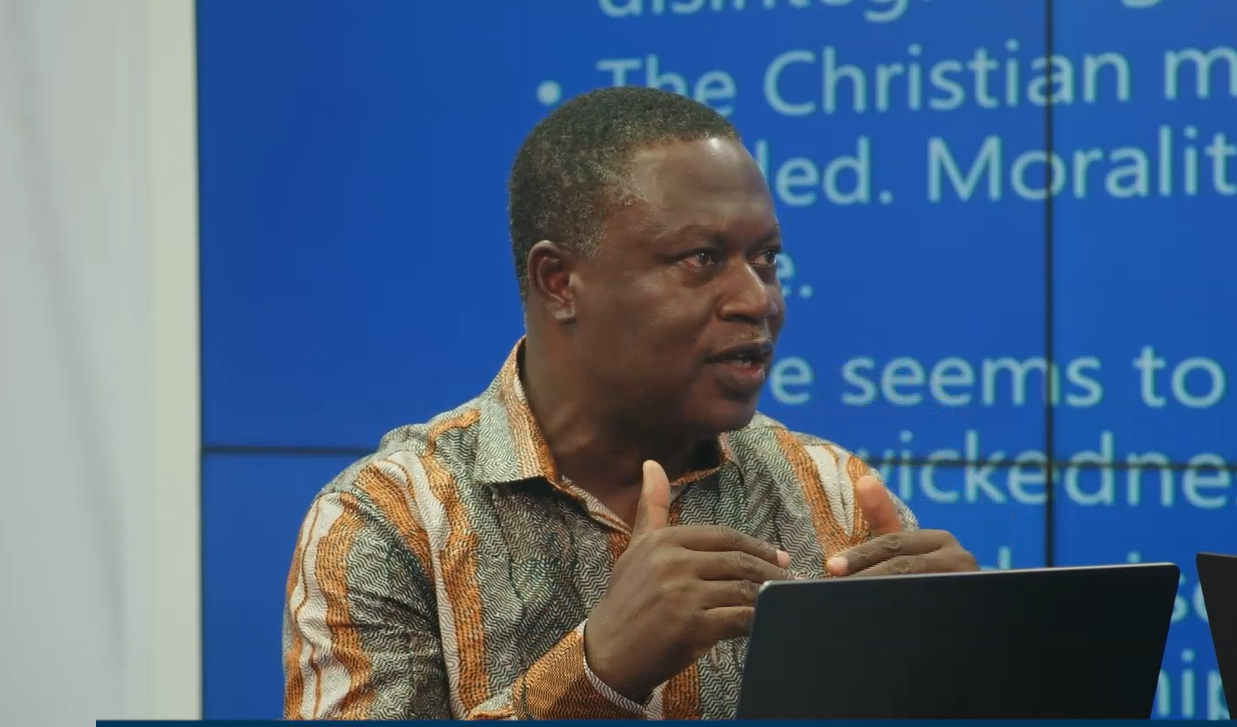
For over six decades, Ghana’s economic trajectory has been a subject of both national pride and concern, particularly when examining its per capita Gross Domestic Product (GDP) growth. According to Professor Kwabena Ackah, a distinguished economist and academic, the country’s average per capita GDP growth has hovered at just 1.15% annually since the mid-20th century. This statistic, while modest, underscores the persistent challenges Ghana has faced in translating raw economic expansion into tangible improvements in living standards for its citizens.
Understanding Per Capita GDP Growth
Per capita GDP is a critical economic indicator that measures the average economic output per person in a country. Unlike nominal GDP, which reflects the total value of goods and services produced, per capita GDP adjusts for population size, offering a clearer picture of economic prosperity per individual. Over the past 65 years, Ghana’s per capita GDP growth has remained stagnant, signaling that while the economy may have grown in absolute terms, the benefits have not been evenly distributed or sufficiently impactful to lift the majority of the population out of poverty.
Historical Context: A Slow but Steady Journey
Ghana’s economic journey since gaining independence in 1957 has been marked by periods of rapid growth followed by prolonged stagnation. The 1960s and 1970s were characterized by economic instability, including military coups, political upheavals, and external shocks such as the oil crises of the 1970s. These factors contributed to slow per capita GDP growth, often dipping into negative territory during crises.
The 1980s and 1990s saw Ghana implement structural adjustment programs (SAPs) under the guidance of international financial institutions like the International Monetary Fund (IMF) and the World Bank. While these reforms aimed to stabilize the economy, their impact on per capita GDP growth was limited. The focus on fiscal discipline, trade liberalization, and privatization laid the groundwork for future growth but did little to accelerate per capita income gains.
The 21st Century: Mixed Progress and New Challenges
Entering the 21st century, Ghana experienced periods of faster nominal GDP growth, driven by sectors such as gold mining, cocoa production, and telecommunications. However, population growth outpaced economic expansion, leading to the 1.15% average per capita GDP growth rate cited by Professor Ackah. Key factors contributing to this trend include:
-
Population Explosion: Ghana’s population has grown exponentially, reaching over 32 million as of recent estimates. A rapidly expanding population strains public services, infrastructure, and job creation, diluting the impact of economic growth on individual welfare.
-
Job Market Constraints: Despite economic growth, youth unemployment and underemployment remain pressing issues. Many young Ghanaians enter the workforce without adequate skills, limiting their ability to contribute meaningfully to the economy.
-
Inequality and Income Distribution: Wealth in Ghana is unevenly distributed, with a small elite capturing a disproportionate share of economic gains. This disparity means that even as the economy grows, the majority of citizens experience minimal improvements in their standard of living.
-
Infrastructure Deficits: Poor infrastructure—such as inadequate roads, unreliable electricity, and limited access to clean water—hampers productivity and business growth. These challenges disproportionately affect rural populations, where the majority of Ghanaians reside.
-
Global Economic Shocks: External factors, including commodity price fluctuations, global pandemics (e.g., COVID-19), and geopolitical tensions, have further complicated Ghana’s economic stability. The COVID-19 pandemic, for instance, led to a contraction in per capita GDP in 2020, reversing years of modest progress.
Professor Ackah’s Perspective: A Call for Structural Reforms
Professor Ackah, a seasoned economist with extensive research on Ghana’s economic policies, has emphasized that the country’s low per capita GDP growth is not merely a consequence of external shocks but also reflects structural inefficiencies in its economic management. His analysis highlights several areas requiring urgent attention:
-
Education and Skill Development: Investing in vocational training and STEM education can equip the workforce with the skills needed to drive innovation and productivity. Currently, Ghana’s education system struggles to align with the demands of a modern, knowledge-based economy.
-
Agribusiness and Industrialization: While agriculture remains a backbone of Ghana’s economy, low productivity and reliance on subsistence farming limit growth potential. Promoting agribusiness, value addition, and industrialization could create high-value jobs and boost per capita income.
-
Digital Transformation: Leveraging digital technology in sectors like finance, healthcare, and logistics can enhance efficiency and reduce costs. Ghana’s digital economy has grown, but its full potential remains untapped, particularly in rural areas.
-
Fiscal Responsibility and Public Investment: Sustainable economic growth requires balanced budgets, prudent spending, and targeted public investment in critical sectors such as healthcare, education, and infrastructure. Ghana’s high public debt levels and fiscal deficits pose risks to long-term stability.
-
Regional Integration and Trade: Strengthening Ghana’s position in regional economic blocs like the Economic Community of West African States (ECOWAS) and African Continental Free Trade Area (AfCFTA) can open new markets and diversify export opportunities. However, trade barriers, bureaucratic hurdles, and logistical challenges often hinder progress.
Comparative Analysis: Ghana’s Performance in Regional Context
When placed in the context of West African neighbors, Ghana’s per capita GDP growth paints a mixed picture. Countries like Côte d’Ivoire and Senegal have achieved higher per capita GDP growth rates in recent years, driven by stronger macroeconomic policies, foreign investment, and sectoral diversification. Meanwhile, Nigeria, despite its larger economy, faces similar challenges with low per capita growth due to population pressure, corruption, and infrastructure deficits.
Ghana’s gold and cocoa exports provide a stable revenue stream, but the economy remains over-reliant on primary commodities, limiting its ability to achieve high-value industrialization. Neighboring Ghana’s peers in East Africa, such as Rwanda and Kenya, have demonstrated that focused industrial policies, innovation, and human capital development can accelerate per capita GDP growth.
The Path Forward: Strategies for Accelerated Growth
To break free from the 1.15% per capita GDP growth trap, Ghana must adopt a multi-pronged approach that addresses both short-term stability and long-term structural reforms. Key strategies include:
-
Accelerated Industrialization: Expanding manufacturing, technology, and services sectors can create jobs and increase productivity. Incentives for local and foreign investors in high-growth industries should be prioritized.
-
Inclusive Economic Policies: Ensuring that economic growth trickles down to the poorest segments of society requires progressive taxation, social safety nets, and targeted poverty alleviation programs.
-
Infrastructure Development: Investing in modern transportation, energy, and digital infrastructure is essential for reducing costs and improving business efficiency. Public-private partnerships (PPPs) can help mobilize the necessary capital.
-
Education and Skills Revolution: Reforming the education system to produce job-ready graduates and fostering entrepreneurship can empower the youth to drive economic growth.
-
Debt Management and Fiscal Discipline: While borrowing is necessary for development, excessive debt levels can stifle growth. Ghana must strike a balance between investment and debt sustainability, ensuring that loans fund high-impact projects rather than unsustainable consumption.
-
Climate Resilience and Sustainable Growth: Ghana is vulnerable to climate change impacts, such as droughts, flooding, and desertification, which threaten agricultural productivity. Adopting sustainable farming practices, renewable energy, and climate-adaptive policies is critical for long-term economic stability.
Conclusion: A Nation at a Crossroads
Ghana’s 1.15% average per capita GDP growth over six decades reflects both the resilience of its economy and the urgency of structural reforms. While the country has made strides in economic diversification, political stability, and regional integration, the challenge of inclusive growth remains unmet. Professor Ackah’s insights underscore that sustained economic progress cannot be achieved through short-term fixes alone. Instead, Ghana must embrace bold, long-term policies that prioritize human capital development, industrialization, and equitable distribution of wealth.
The next decade presents a critical window of opportunity for Ghana to accelerate per capita GDP growth and improve the living standards of its citizens. By learning from global best practices, leveraging its natural and human resources, and fostering partnerships with the private sector and international community, Ghana can transition from modest growth to transformative development. The path forward is clear, but the political will and strategic execution will determine whether Ghana achieves its economic potential.
