


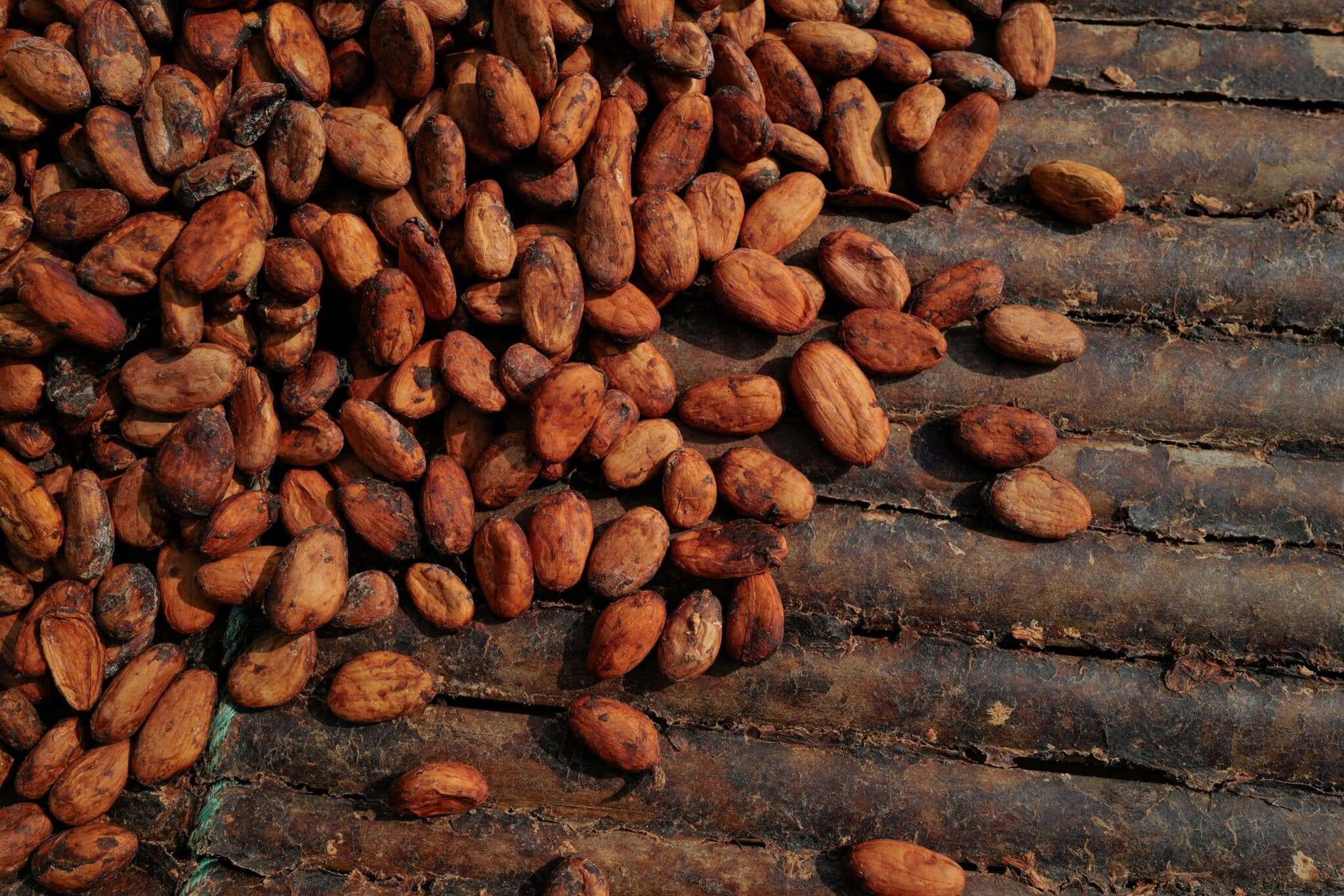
Ghana’s cocoa production is poised for a significant contraction, with industry regulators forecasting a 16% drop in output for the 2026-2027 harvest season. The Cocoa Board (COCOBOD), Ghana’s primary market regulator, attributed the decline to a confluence of climatic conditions, natural agricultural cycles, disease outbreaks, and environmental degradation, reinforcing concerns raised by local farmers in key cocoa-producing regions.
Root Causes of the Production Decline
1. Weather-Related Disruptions
COCOBOD highlighted El Niño conditions, a naturally occurring climate phenomenon known for inducing droughts, as a primary factor. The excessive rainfall in May and June 2024 further exacerbated challenges, disrupting optimal growing conditions for cocoa trees.
Additionally, the physiological bearing pattern of cocoa trees—a biennial cycle where trees alternate between high-yield and low-yield seasons—contributes to the variability in production. This year’s reduced output aligns with the tree’s natural tendency to produce fewer pods in certain years.
2. Regional Production Shortfalls
The Western and Western North Regions, which collectively account for over 50% of Ghana’s cocoa output, have been the most severely affected. COCOBOD reported a low cherelle load—the number of small cocoa pods that mature into harvestable beans—in these areas, a trend consistent with the factors mentioned above.
3. Agricultural and Environmental Pressures
- Swollen Shoot Disease (SSD): A devastating fungal disease that stunts cocoa tree growth and reduces pod production, SSD has been rampant in Ghana’s cocoa belts. COCOBOD confirmed that infected farms in the Western North Region have been partially rehabilitated, but the disease remains a persistent threat.
- Aging Cocoa Farms: Many plantations in Ghana are decades old, with declining productivity due to soil depletion, lack of modern farming techniques, and insufficient replanting.
- Illegal Gold Mining (Galamsey): The encroachment of unregulated gold mining operations on cocoa farms has led to land degradation, water pollution, and direct displacement of cocoa trees. Galamsey activities have intensified in recent years, further straining agricultural output.
Farmers’ Warnings and Government Response
Farmers in the Western and Western North Regions have reported a sharp decline in pod counts for the current season, corroborating COCOBOD’s projections. In response, the government has implemented several mitigation strategies to curb losses:
- Farm Rehabilitation: Infected cocoa farms in the Western North Region are undergoing restoration efforts, including pruning diseased trees and replanting high-yielding varieties.
- Pest and Disease Control: Expanded insecticide and fungicide spraying programs aim to combat swollen shoot disease, mirids (pests), and other cocoa-specific threats.
- Nationwide Fertilizer Distribution: COCOBOD has reintroduced a free fertilizer distribution scheme for the 2026/27 crop year, providing essential nutrients to depleted soils and boosting tree resilience.
- Support for Smallholder Farmers: Financial incentives and agricultural extension services are being reinforced to improve farming practices, including crop rotation, shade management, and disease-resistant planting.
Regional and Global Implications
Ghana’s cocoa sector is not alone in facing challenges. Ivory Coast, the world’s largest cocoa producer, is also expected to see a production drop of over 10% in the upcoming season, driven by similar issues—climate variability, disease outbreaks, and land degradation.
The combined decline in West Africa’s cocoa output could stabilize global prices but may also increase market volatility, particularly if alternative supply sources (such as Indonesia or Ecuador) cannot compensate for the shortfall.
Long-Term Sustainability Concerns
Beyond immediate production losses, Ghana’s cocoa industry faces structural challenges that require sustained intervention:
– Climate Resilience: Investments in weather forecasting, drought-resistant cocoa varieties, and sustainable irrigation are critical to adapting to future climatic shifts.
– Illegal Mining Regulation: Strengthening enforcement against galamsey operations and promoting alternative livelihoods for affected communities could free up land for cocoa replanting.
– Youth Engagement: Many cocoa farmers are aging, and lack of interest among younger generations in traditional farming may accelerate the decline if not addressed through education and modern agricultural training.
Conclusion
Ghana’s cocoa sector stands at a critical juncture, with the 16% production decline in 2026-2027 serving as a stark reminder of the interconnected threats facing the industry. While short-term measures such as fertilizer distribution and disease control provide relief, long-term solutions—including climate adaptation, stricter environmental policies, and farmer empowerment—are essential to ensuring the sector’s survival and global competitiveness.
As West Africa’s cocoa output continues to face pressures, the resilience of Ghana’s farmers and the effectiveness of government interventions will determine whether the industry can recover or face further erosion in the coming years.
