
8
Trade Partnership With South Africa
By Natalie Naidoo
Beijing, China –
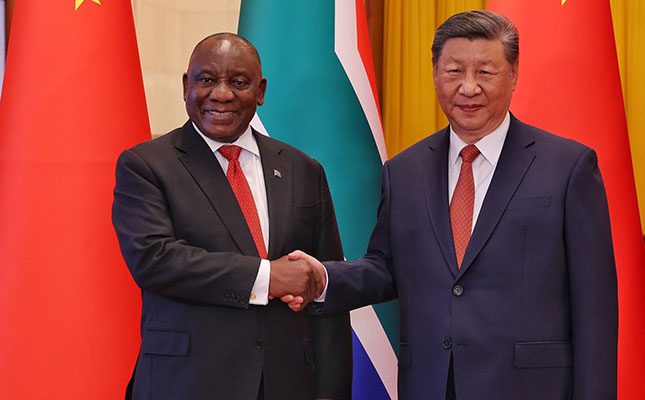
Leaders from two major economies have taken a big step forward by signing a key deal that promises to boost business ties and open new doors for goods moving between their countries.
The agreement, inked during a high-level meeting, sets the stage for duty-free access to markets and more investments, giving a fresh push to trade that already runs into billions each year.
This move comes as both nations look to grow together, with a focus on areas like mining, farming, and green energy, helping everyday people on both sides through better jobs and stronger economies.
The Landmark Agreement and Its Goals
The pact, called the Framework Agreement on Economic Partnership for Shared Prosperity, was signed on Friday, 6 February 2026, by South Africa’s Minister of Trade, Industry and Competition, Parks Tau, and China’s Minister of Commerce, Wang Wentao.
It lays out a clear path for deeper links, starting with talks on an Early Harvest Agreement expected to wrap up by the end of March 2026.
Once in place, this will let South African products enter China without tariffs – meaning no extra taxes on exports – covering everything from fruits and minerals to manufactured goods.
This zero-tariff setup is part of China’s wider promise to give full duty-free access to exports from all 53 African countries it has ties with, in line with global trade rules.
For South Africa, it means stable and long-term perks that could lift sales abroad and bring in more cash for local firms. Officials from both sides called it a win for shared growth, pointing out how it builds on years of strong partnerships.
China already buys more from South Africa than any other country, while South Africa tops the list as China’s key trading buddy in Africa.
The deal goes beyond just dropping taxes. It aims to ramp up investments in fields where both can gain, like pulling minerals from the ground, growing crops, making clean energy tools, and building tech hubs.
For example, Chinese firms might put more money into South African factories or farms, creating jobs and sharing know-how.
In return, South African companies get easier ways to sell in China’s huge market, where demand for things like beef, wine, and metals keeps rising.
Benefits for South African Businesses and Workers
This agreement could be a game-changer for South African exporters, who have long faced high costs when sending goods overseas.
Without tariffs, items like fresh produce from the Western Cape or iron ore from the Northern Cape could sell for less in China, making them more appealing to buyers there. Small farmers and big miners alike stand to gain, with extra income flowing back to communities.
One key area is agriculture – think avocados, citrus fruits, and nuts – where South Africa has strong output but needs bigger markets to grow.
On the investment side, the pact encourages Chinese money into South Africa’s car industry, a sector already seeing growth from brands like Chery and Great Wall Motors.
More factories or assembly lines could mean thousands of new jobs, especially in places like Gauteng and the Eastern Cape where plants are based.
This ties into broader plans to rebuild local making power, helping the country move away from just selling raw stuff to creating finished products that fetch higher prices.
For workers, this means hope amid tough times.
With youth joblessness high, new chances in trade-related fields like logistics, tech, and renewable energy could pull in young talent. Government leaders say deepening these ties will help rebuild industrial strength, echoing calls for more home-grown growth.
It also fits with efforts to green the economy, as China shares tips on solar panels and wind farms, areas where South Africa aims to expand to cut power woes.
Building on a Strong History of Ties
South Africa and China have been close partners for over 25 years, since full ties started in 1998.
Trade has boomed from a few billion rands to over R500 billion a year, with China snapping up South African metals, coal, and fruits while sending back machines, phones, and clothes.
Groups like BRICS – where both sit together – have helped this along, with summits leading to deals on everything from banks to trains.
Recent years saw ups like the 2023 BRICS meet in Johannesburg, where leaders talked more trade and less reliance on outside powers.
But there have been bumps too, like worries over cheap imports hurting local makers or debts from big projects.
This new agreement aims to smooth those out by focusing on fair play and mutual wins, ensuring benefits reach small businesses and everyday folks, not just big companies.
Challenges and the Road Ahead
While the deal sparks excitement, it is not without hurdles. South African firms must gear up to meet China’s strict quality rules, from safe food checks to eco-friendly ways.
There are calls for more training so locals can grab the new jobs, and watchdogs want to make sure investments do not harm the environment or workers’ rights.
On the flip side, Chinese leaders stress long-term ties that build trust and shared success.
As the Early Harvest Agreement takes shape, both sides will fine-tune details like which products get the green light first. This could include quick wins in mining, where South Africa’s chrome and manganese are hot items in China for steel-making.
Overall, the pact signals a shift towards balanced growth, helping South Africa cut its trade gap – where it buys more from China than it sells – and build a stronger spot in global chains.
For families and communities, this means real change. More exports could steady prices for food and fuel, while new factories bring steady pay.
As talks move forward, many hope this partnership lights the way for a prosperous future, turning strong words into actions that lift everyone up.
With leaders on both sides committed, South Africa and China look set to write a new chapter in their story of growth together.

🔴Central News Special Edition | Issue 122: Download the Latest Print and E-Edition | Suspended Ekurhuleni Deputy Chief Julius Mkhwanazi Vows ‘I Can’t Go to Jail and Leave My Kids’ Amid Blue Lights Saga Scrutiny 🔴
Download here⬇️⬇️⬇️
Read all our publications on magzter:
Central News also offers Sponsored Editorial Content, Podcasts , Radio / Social Media Simulcast, Video Production , Live Streaming Services, Press Conferences, and Paid Interviews (Video/Audio) etc.
We guarantee exceptional exposure, reach, and engagement, with an excellent return on investment.
Advertisement:
To place your advert on our platforms (Print Newspaper or Digital Platforms) : Please email : [email protected]
For Business Related:
[email protected]
Newsroom:
Send your Stories / Media Statements To: [email protected]
General Info:
[email protected]
Office Administrator:
[email protected]
Whatsapp / Call: 081 495 5487
Website:
Social Media Platforms (@centralnewsza) : Linkedin, Facebook, Tiktok, Twitter, Instagram, Youtube

