


Highlights
- President Ruto is directing that gold, graphite, titanium, and other minerals be processed domestically rather than exported raw.
- The U.S. pledged support for Kenyan critical-mineral processing this week as Washington seeks supply-chain diversification from China.
- Mrima Hill’s rare earths and niobium deposits make Kenya strategically significant in the global critical-minerals race.
- Kenya’s dispute with Tata Chemicals signals Nairobi is serious about localization, demanding local manufacturing from soda ash resources.
- Analysts warn that banning raw exports without competitive power, technology, and infrastructure risks stranding valuable deposits.
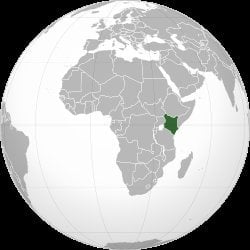
Kenya wants more than royalties from what lies beneath its soil. President William Ruto (opens in a new tab) says minerals including gold, graphite, titanium, iron ore, limestone, and soda ash should increasingly be processed domestically rather than exported raw. The direction is unmistakable, although investors should distinguish the government’s policy declaration from a blanket export ban already embedded in law.
REEx Insight — Great Powers Era 2.0 Reaches the Mine Gate
This is bigger than Kenyan industrial policy. REEx’s Great Powers Era 2.0™ thesis holds that critical-mineral competition has shifted from company versus company toward state-supported ecosystem versus state-supported ecosystem. Resource countries are now realizing they possess leverage too.
As covered by Business Insider Africa, Kenya is effectively saying: access to our geology may increasingly require investment in our industrial base. That becomes strategically important at Mrima Hill (opens in a new tab), where rare earths and niobium have attracted international interest. The United States this week pledged support for Kenyan critical-mineral processing as Washington seeks diversified supply chains amid competition with China. But geology does not automatically create industrial power. Rare earth value rises through beneficiation → cracking/leaching → separation → metals → alloys → magnets.
Forcing processing onshore without competitive power, technology, financing, infrastructure, and customers can strand otherwise valuable deposits.
The smarter model is therefore not simply “ban raw exports.” It is “trade resource access for industrial capability.” That could mean foreign capital, technology transfer, processing plants, infrastructure, and guaranteed offtake accompanying mineral rights.
Africa Moves Downstream
Kenya’s position also follows a broader African effort to capture more mineral value domestically. Its dispute with Tata Chemicals illustrates how seriously Nairobi is taking localization: Ruto has called for new investors to manufacture glass and chemicals locally from Kenyan soda ash.
Great Powers Era 2.0 is changing the bargain: possessing the ore may increasingly buy a seat at the industrial table.
