


By Agnes Agnes
Accra, Sept. 8, GNA – Ghana’s climate adaptation efforts require greater community participation, with women and other underrepresented groups influencing decisions on planning, financing and implementation.
The Nature-Based Solutions (NbS) in Guinean Forests of West Africa Project said locally informed climate action would help ensure adaptation investments addressed the needs of communities most affected by climate change.
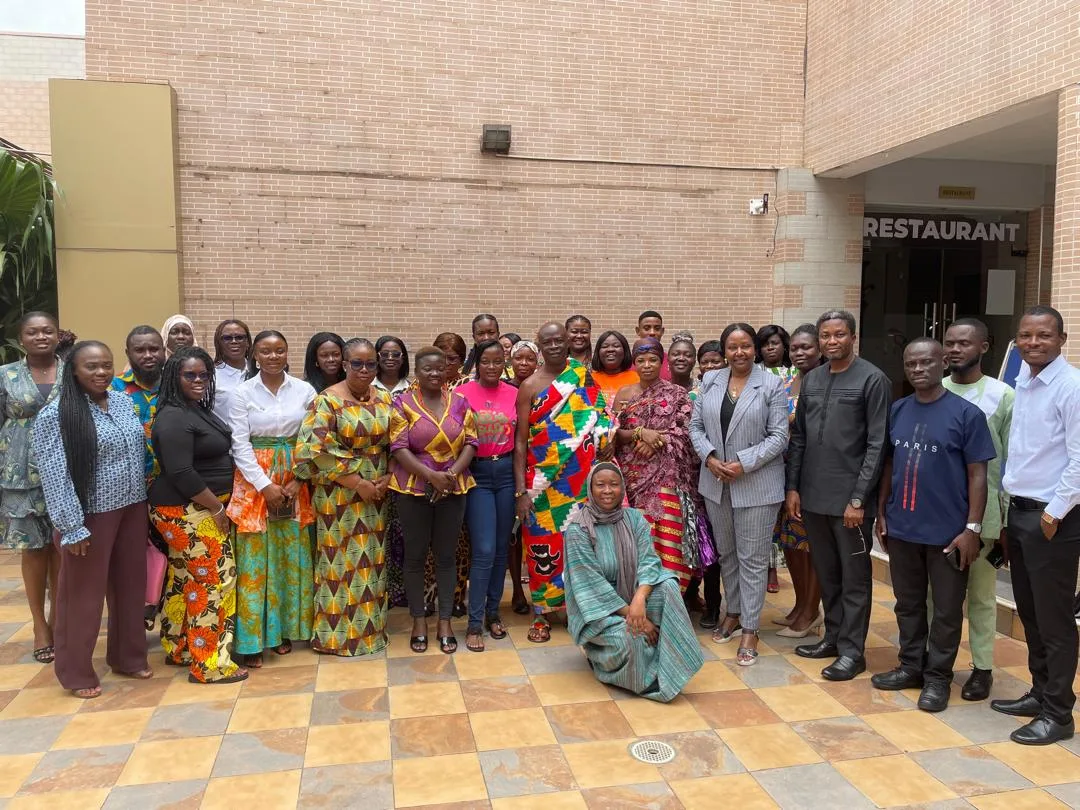
Mr Victor Mombu, Project Coordinator of NbS, said this at a National Policy Engagement Workshop on Gender-Responsive Climate Adaptation in Accra.
He said women and other underrepresented groups needed meaningful opportunities to participate in climate planning, influence investment decisions and benefit fairly from economic opportunities arising from climate adaptation.
Mr Mombu said the project’s work in the Lake Bosomtwe and Wassa Amenfi landscapes demonstrated the importance of linking climate policy and adaptation measures to community realities.
”Through community and district-level engagements, together with our technical partners, we have generated evidence and articulated priorities for how we can overcome the barriers,” he said.
Mr Mombu called on stakeholders to strengthen representation in climate action by reflecting inclusion in financing criteria, programme design, resource allocation, implementation arrangements and accountability systems.
Ms Sarah Asiedu, speaking on behalf of Women’s Rights Organisations (WROs), said gender considerations should be integrated into climate and environmental policy rather than treated as a separate development issue.
She said gender equality had to be incorporated into environmental planning, energy transitions, agriculture, water management, waste management, transport and other development initiatives affected by climate change.
Ms Asiedu called on institutions to provide financing for gender-responsive climate action under the national adaptation plans.
She urged the National Development Planning Commission (NDPC) and the Ministry of Finance (MoF) to ensure that gender-responsive climate commitments in the national adaptation plans had dedicated budget lines at the regional, municipal and community levels.
Ms Asiedu also called on the Ministry of Gender, Children and Social Protection to establish a mechanism for Women’s Rights Organisations to continuously contribute community and landscape-level evidence to national climate planning.
Additionally, she advocated direct investment in climate-resilient livelihoods for women and youth.
Nana Okofo Asafo Adjei II, Wasa Achichire Divisional Chief, commended the project coordinators for involving traditional authorities in the project.
He said traditional authorities could support efforts to improve the livelihoods of women and other marginalised groups by facilitating access to land and finance.
The Divisional Chief called on other traditional leaders to help improve women’s livelihoods in their communities by making farmlands more accessible to them.
GNA
Edited by Kenneth Sackey
Reporter: Agnes Ansah
[email protected]
