


By Ashiadey Dotse
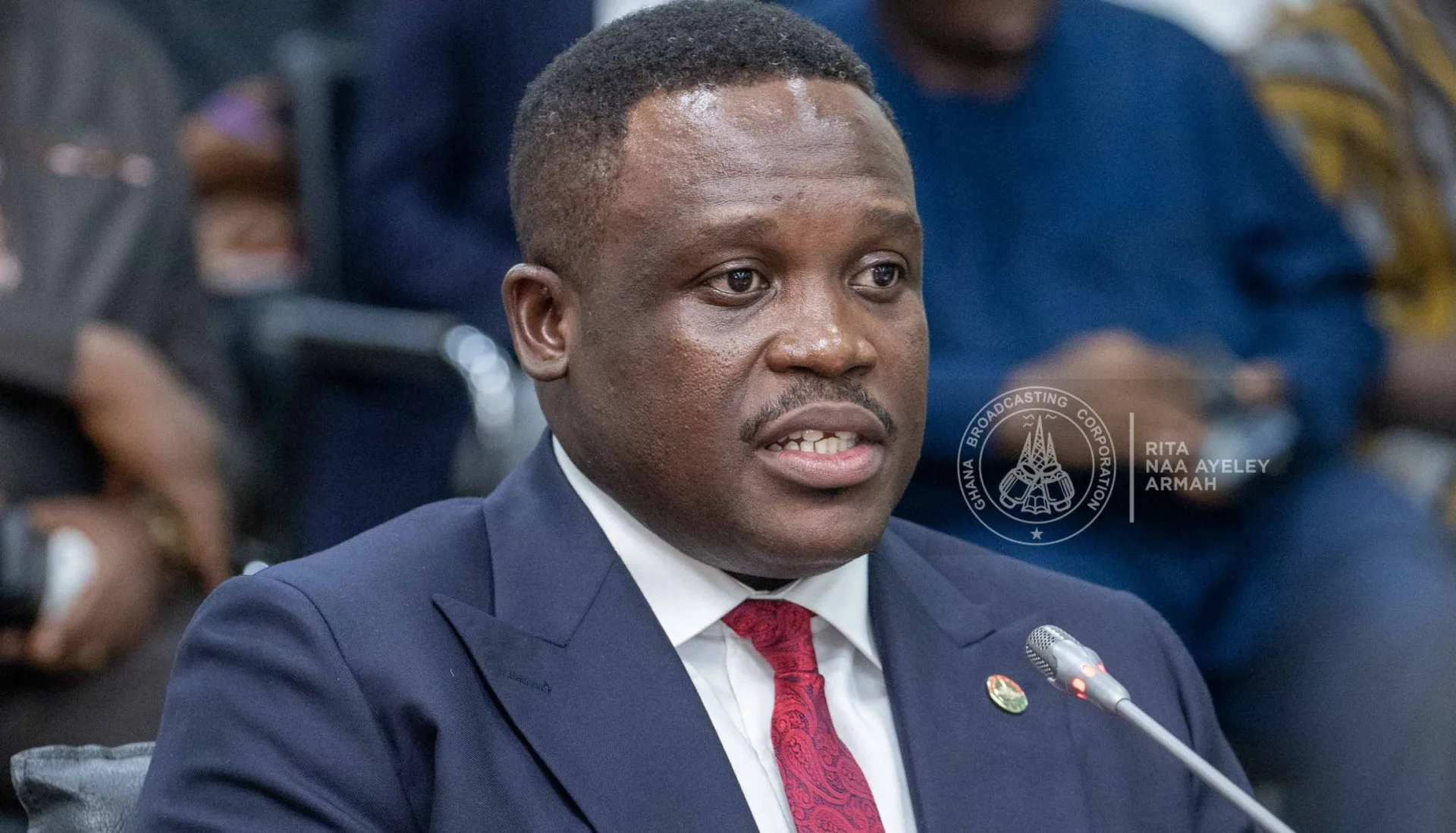
Minister for Communications, Digital Technology and Innovations Samuel Nartey George says road construction under the government’s Big Push programme has contributed to about 49 per cent of fibre cuts recorded in Ghana this year.
Speaking at the Government Accountability Series on Monday, September 7, 2026, Mr George said Ghana had recorded 8,578 fibre cuts so far this year, with the cost of repairing the damage exceeding US$20 million.
He said the frequent damage to fibre cables was disrupting telecommunications services and forcing network operators to spend millions of dollars on repairs.
Mr George explained that the money spent on repairs could instead have been used by telecommunications companies to build new sites and expand network coverage.
“That’s money that without the fibre cut we could have used to build new sites,” he said.
According to the minister, the Big Push road projects have become the biggest source of fibre damage because of the large number of roads being constructed across the country.
“The biggest source of fibre cuts is from the Big Push project because the Ministry of Roads is carrying out an aggressive project to construct roads across the country,” he said.
Mr George said the problem had persisted for several years, with Ghana recording about 3,900 fibre cuts in 2021 and more than 10,000 in 2022.
The country recorded more than 6,000 fibre cuts in 2023 and over 5,600 in 2024. The figure increased again to about 8,000 in 2025.
He warned that if the current trend continued, Ghana could record close to 9,000 fibre-cut incidents by the end of 2026.
The minister said the repeated damage was putting pressure on telecommunications companies and limiting their ability to invest in new infrastructure and improve network coverage.
Despite the challenge, he said the government remained committed to expanding telecommunications services across the country.
Mr George disclosed that the government had increased its target for new telecommunications sites from 50 in 2025 to 800 in 2026.
He stressed that protecting existing fibre infrastructure would be crucial to ensuring that funds meant for expanding telecommunications services were not continually diverted to repairing damaged cables.
More Stories Here
