


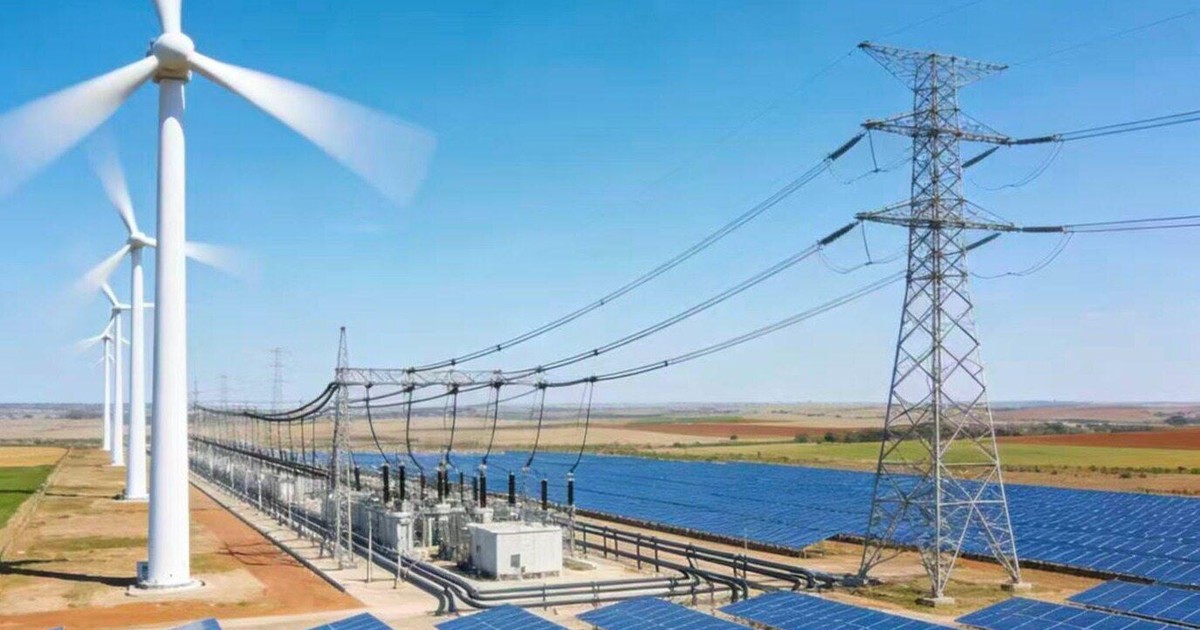
South Africa has secured a landmark $122 billion (R2.2 trillion) energy investment commitment from China, marking a pivotal step in its ambitious plan to rebuild the manufacturing sector and overcome chronic electricity shortages that have stifled economic growth for years. During a high-profile visit to China, Electricity and Energy Minister Kgosientsho Ramokgopa unveiled a comprehensive energy expansion program designed to accelerate South Africa’s transition to a sustainable energy future while fostering domestic industrial growth.
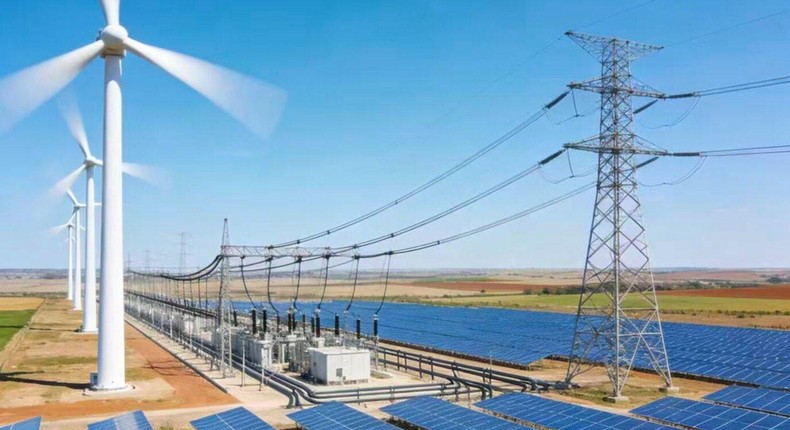
A Strategic Shift: From Crisis to Industrial Revival
For decades, South Africa has grappled with prolonged electricity shortages, commonly referred to as load shedding, which has crippled industrial production, mining operations, and business activities. These disruptions have severely constrained the country’s economic potential, particularly in manufacturing—a sector once vital to Africa’s largest economy. The new energy investment initiative represents a paradigm shift from emergency power solutions to a long-term infrastructure overhaul aimed at rebuilding manufacturing capacity, enhancing energy security, and integrating South Africa into global clean-energy supply chains.
China’s Role: Beyond Financing to Industrial Partnerships
Unlike traditional energy financing models, South Africa’s approach goes beyond securing capital. The government is actively encouraging Chinese firms to establish manufacturing plants within the country to produce critical energy infrastructure components, including:
– Transformers and substation equipment
– Battery storage systems
– Solar photovoltaic (PV) panels and inverters
– High-voltage transmission cables
– Smart grid technologies
By localizing production, South Africa aims to reduce reliance on imports, strengthen its industrial base, and create high-skilled jobs in emerging sectors. This strategy aligns with Pretoria’s broader industrial policy, which seeks to position the country as a regional hub for clean-energy manufacturing while reducing vulnerabilities in global supply chains.
A Massive Energy Expansion: 105 GW of New Capacity by 2039
The investment program outlines an unprecedented expansion of South Africa’s electricity infrastructure, targeting:
– 105 gigawatts (GW) of new generation capacity—enough to power millions of homes and industries.
– 14,500 kilometers of new transmission lines to connect renewable energy projects with industrial hubs.
– Enhanced grid resilience to accommodate the integration of solar, wind, and battery storage while ensuring stable power supply for factories and mines.
Minister Ramokgopa emphasized that transmission infrastructure is just as critical as generation capacity, as renewable energy projects often struggle to connect efficiently without upgraded grids. The government’s vision extends beyond mere power supply—it seeks to create a self-sustaining industrial ecosystem where local manufacturers supply the energy infrastructure needed for South Africa’s economic revival.
Why China? The Global Leader in Clean Energy Manufacturing
China’s dominance in clean-energy technology production makes it an ideal partner for South Africa’s ambitions. The country is the world’s largest manufacturer of:
– Solar panels (accounting for ~80% of global production)
– Lithium-ion batteries (critical for electric vehicles and grid storage)
– High-voltage transmission equipment
By leveraging Chinese expertise, South Africa can accelerate its energy transition while reducing costs associated with importing technology. The collaboration also aligns with China’s Belt and Road Initiative (BRI), which prioritizes infrastructure development and industrial cooperation across Africa.
Competing for Chinese Capital in a Changing Landscape
South Africa is not alone in seeking Chinese investment—competition for capital is fierce across Africa. However, the country’s policy reforms, improving electricity reliability, and long-term investment opportunities position it as a preferred destination for Chinese firms looking to expand beyond traditional state-backed projects.
Analysts suggest that commercial partnerships and industrial collaboration are now replacing large sovereign loans as the primary model for China-Africa economic engagement. If successful, South Africa’s strategy could set a benchmark for other African nations seeking to de-risk their energy sectors while fostering domestic manufacturing.
The Broader Impact: Jobs, Economic Growth, and Energy Security
The success of this initiative could have far-reaching consequences:
1. Job Creation – Local manufacturing of energy equipment will generate thousands of skilled jobs, particularly in engineering, construction, and renewable energy sectors.
2. Industrial Competitiveness – A stable, reliable power supply will attract foreign direct investment (FDI) and encourage domestic industries to expand.
3. Energy Independence – Reduced dependence on imported energy technology will strengthen South Africa’s energy security and mitigate risks from global supply chain disruptions.
4. Regional Leadership – If executed effectively, South Africa could emerge as a key player in Africa’s clean-energy transition, exporting manufactured equipment to neighboring nations.
Challenges and the Path Forward
While the investment commitment is historic, implementation will require overcoming significant hurdles:
– Regulatory and bureaucratic efficiency – Streamlining approvals for large-scale infrastructure projects.
– Financing mechanisms – Ensuring long-term funding stability for both generation and transmission projects.
– Workforce development – Training a skilled labor force capable of maintaining advanced energy infrastructure.
– Environmental and social considerations – Balancing industrial growth with sustainability and community impact.
Despite these challenges, the momentum is clear: South Africa is positioning itself as a leader in Africa’s energy transition, leveraging Chinese expertise to rebuild its manufacturing sector and secure a sustainable economic future.
A New Era for South Africa’s Energy and Industry
The $122 billion energy investment is more than just a financial commitment—it is a strategic blueprint for South Africa’s economic revival. By combining massive infrastructure expansion with localized manufacturing, the country is taking a bold step toward energy independence, industrial growth, and long-term prosperity. If successful, this initiative could reshape Africa’s energy landscape, proving that collaboration, innovation, and strategic investment can turn challenges into opportunities.
As South Africa moves forward, the world will be watching—not just for the megawatts generated, but for the industrial renaissance that could follow.
