


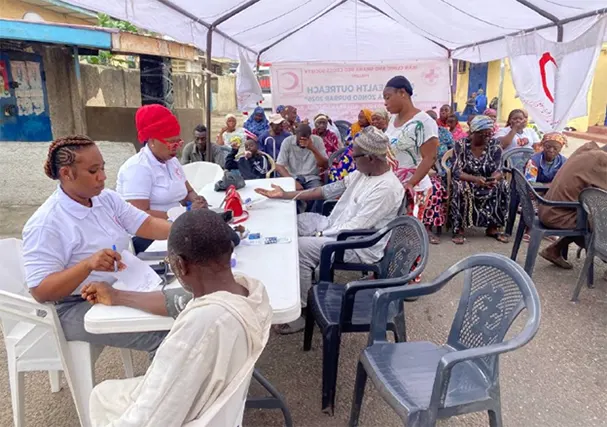
In a significant step toward improving public health awareness and accessibility, Iran Clinic, in collaboration with the Red Cross Society, recently conducted a large-scale health screening exercise for residents of Adabraka, a densely populated community in Accra. The initiative, held on Saturday, focused on early detection, free medical consultations, medication distribution, and educational workshops on hypertension, diabetes, hepatitis B, and other prevalent chronic conditions affecting the local population.
A Community-Focused Health Outreach
The event, led by Dr. Shahab Abdolahifar, the Medical Director of Iran Clinic, was designed to reach individuals who often delay or avoid hospital visits due to financial constraints or lack of awareness. Dr. Nurudin Osman, a senior physician at Iran Clinic, emphasized the annual nature of the initiative, stating:
“We understand that some residents may not regularly visit healthcare facilities. That’s why we bring our services directly to their doorsteps. Through this outreach, we screen for common conditions like hypertension, diabetes, and hepatitis B, provide education on lifestyle modifications, and offer free medications to ensure early intervention and better disease management.”
Free Services and Improved Compliance
Unlike standard clinic visits, where subsidized services are provided, the health screening and consultations during this outreach were entirely free, including laboratory tests and essential medications. Dr. Osman highlighted that feedback from last year’s campaign was overwhelmingly positive, with many participants showing improved adherence to treatment plans after receiving personalized guidance.
“Many of our patients who were previously non-compliant with their medication regimens have since become more proactive about their health. This is a testament to the effectiveness of community-based health education and early intervention.”
The doctor strongly encouraged residents to adopt healthier lifestyles, including regular exercise, balanced diets, and routine check-ups, as key preventive measures against chronic illnesses.
Leadership Commends the Initiative
Alhaji Abdul Mumuni Bagigah, the Chief of Adabraka Zongo, praised the partnership between Iran Clinic and the Red Cross Society, calling it a “laudable project” that aligns with the community’s health priorities.
“Health is indeed wealth, and initiatives like this bring real value to our people. Last year marked the first time such a screening was conducted in Adabraka, and we were impressed by the impact it had. The palace has since agreed to annualize this collaboration, ensuring that more residents benefit from these free and essential health services.”
Bagigah expressed hope that other healthcare providers, such as Odorna Clinic, would join this noble cause to expand health interventions across the community.
“We have seen the positive effects of this program, and we urge other clinics to partner with us so that more people can access preventive healthcare without financial barriers.”
Social Responsibility at the Core of the Initiative
Sheikh Tahir Camara, the Administrator of Iran Clinic, underscored that the annual health outreach in Adabraka Zongo is a cornerstone of the clinic’s social responsibility efforts.
“At Iran Clinic, we believe in giving back to the community that supports us. This outreach is not just about providing medical services—it’s about empowering people with knowledge so they can take control of their health. We encourage residents to make regular hospital visits a habit, just as they would attend religious services. Early detection saves lives, and we want to ensure that no one misses out on this opportunity.”
Sheikh Camara also stressed the importance of preventive care, urging residents to schedule routine check-ups rather than waiting for symptoms to worsen.
A Model for Community Health Engagement
This joint initiative by Iran Clinic and the Red Cross Society serves as a blueprint for effective public health engagement, demonstrating how private healthcare providers and humanitarian organizations can collaborate to bridge gaps in healthcare accessibility. By combining free medical screenings, education, and medication distribution, the program not only identifies health risks early but also educates the community on sustainable health practices.
As the Adabraka community continues to benefit from such interventions, the hope is that more healthcare facilities will follow suit, ensuring that preventive and accessible healthcare becomes a reality for all residents.
This comprehensive health screening campaign stands as a testament to the power of community-driven healthcare, proving that collective efforts can lead to lasting improvements in public health outcomes.
