


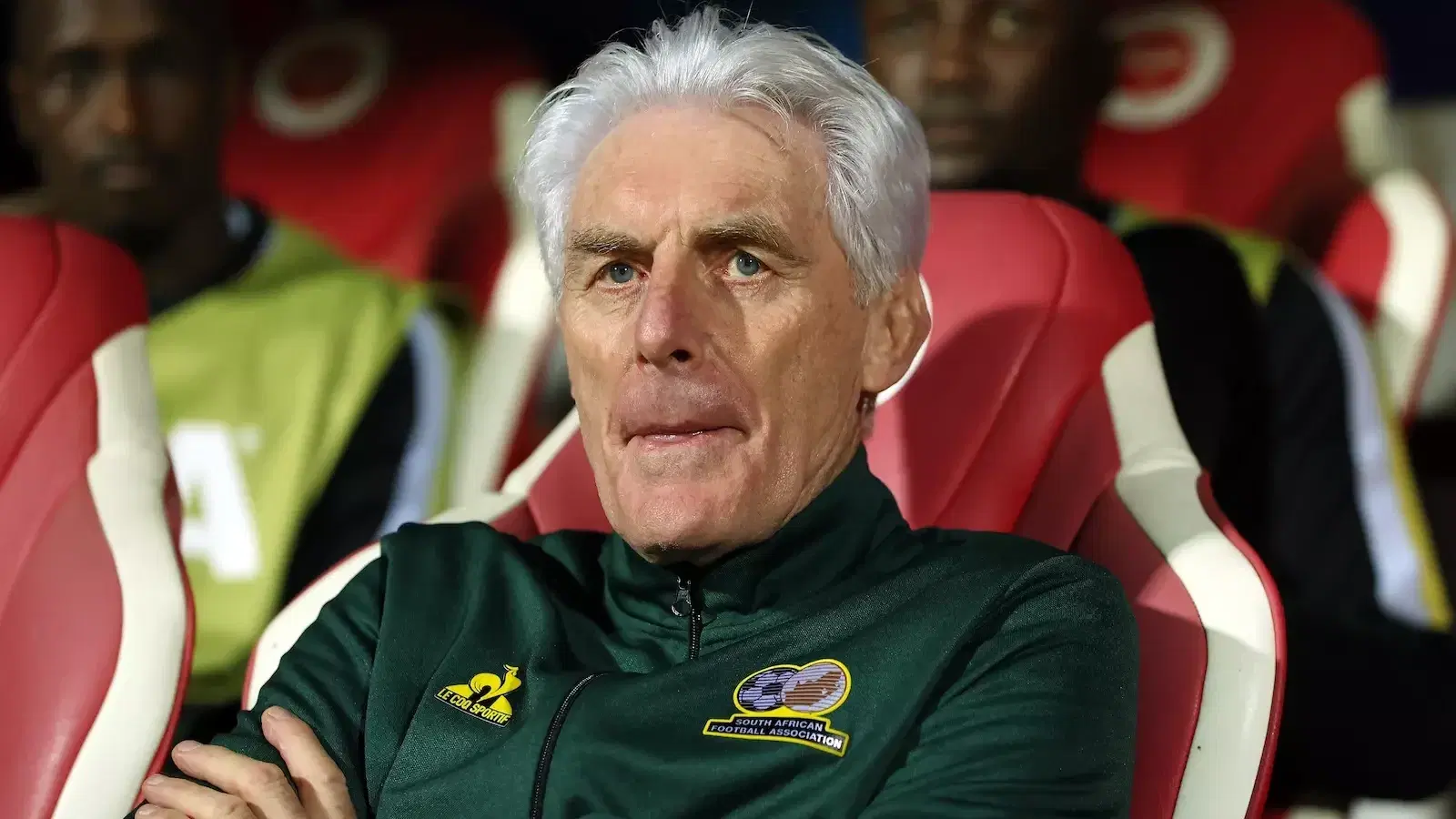
In a moment that marks the end of an era for South African football, Hugo Broos, the country’s most successful and influential national team coach, has officially announced his retirement from active coaching. The Belgian tactician, who led the Bafana Bafana to their highest-ever FIFA World Cup qualification in 2010 and guided them through multiple Africa Cup of Nations campaigns, has decided to step away from the helm after nearly a decade of dedicated service.
A Career Defined by Triumph and Resilience
Broos’ journey with the South African national team began in 2010, a period that coincided with the country’s post-apartheid football renaissance. His arrival was met with cautious optimism, as the team sought to transition from the shadow of past failures to a new era of competitiveness. Under his leadership, Broos transformed the squad into a structured, disciplined, and technically refined unit, blending youthful flair with tactical sophistication.
One of his most celebrated achievements came during the 2013 Africa Cup of Nations (AFCON), where Broos’ tactical acumen and ability to extract performances from his players led South Africa to a third-place finish. This was a rare moment of glory for a team that had historically struggled in continental competitions. His ability to manage egos, instill confidence, and foster a winning mentality became hallmarks of his coaching philosophy.
The 2010 World Cup Legacy: A Turning Point
The 2010 FIFA World Cup, hosted in South Africa, remains the defining chapter of Broos’ tenure. While the team failed to progress beyond the group stage, his leadership during this high-pressure tournament was widely praised. Broos’ calm demeanor, strategic adaptability, and ability to inspire his players earned him respect both locally and internationally. His 3-2 victory over Mexico in their opening match was a standout performance, showcasing the potential of the squad under his guidance.
Despite the World Cup disappointment, Broos’ work laid the foundation for future generations. His emphasis on youth development, tactical versatility, and mental resilience became blueprints for subsequent coaches. Players like Peri Anthony, Siphiwe Tshabalala, and Thando Mahlangu thrived under his guidance, proving that South Africa could compete at the highest levels with the right structure.
Challenges and Criticisms: The Path to Retirement
While Broos’ tenure was marked by tactical brilliance and occasional flashes of brilliance, it was not without its controversies. The team’s struggles in qualifying for the 2014 and 2018 World Cups, as well as inconsistent performances in AFCON, led to growing public frustration. Critics argued that Broos’ over-reliance on a core group of players stifled innovation, while others pointed to a lack of clear long-term vision in player development.
Despite these challenges, Broos remained a beloved figure in South African football. His humility, professionalism, and unwavering commitment to the national team earned him admiration from players, pundits, and fans alike. His ability to maintain composure under pressure—even in the face of intense media scrutiny—further cemented his reputation as a true leader.
A Legacy Beyond Statistics
Beyond trophies and rankings, Broos’ impact on South African football extends to cultural and developmental aspects. He played a crucial role in professionalizing the national team’s approach, introducing modern training methodologies, video analysis, and psychological support systems. His collaboration with South African Football Association (SAFA) officials helped bridge gaps between the national team and domestic leagues, fostering a more cohesive football ecosystem.
Broos also mentored young coaches, including Stéphane Demol, who later took over as interim coach, ensuring a smoother transition of knowledge. His mentorship of players—many of whom went on to represent the national team in subsequent years—demonstrates his long-term investment in the sport’s growth.
The Future of Bafana Bafana Without Broos
With Broos’ retirement, the South African national team enters a new chapter. His departure leaves a tactical void, as no single coach has yet replicated his blend of experience, adaptability, and South African football expertise. The 2023 Africa Cup of Nations, where South Africa was eliminated in the group stage, highlighted the need for fresh ideas and a renewed sense of direction.
While Broos’ successor, Stéphane Demol, has shown promise, the long-term sustainability of the national team’s competitiveness remains uncertain. Broos’ structured approach and emphasis on fundamentals will be missed, particularly in a football landscape where youth development and tactical innovation are increasingly critical.
Broos’ Next Steps: What Lies Beyond Coaching?
Though he is retiring from active coaching, Broos has not ruled out a future in football. His extensive experience in European football, including stints with Club Brugge and Anderlecht, positions him well for consulting roles, punditry, or executive positions in football administration. Some speculate that he may share his knowledge through coaching clinics or football development programs, ensuring his legacy endures beyond the national team.
A Farewell to a Footballing Icon
Hugo Broos’ retirement is not just the end of an era for South African football—it is the closure of a chapter in the country’s footballing history. His 20-year coaching career, spanning multiple clubs and national teams, has left an indelible mark on the sport. While his tenure was not without its setbacks, his leadership, tactical acumen, and unwavering dedication have solidified his place as one of the most respected coaches in South African football.
As Bafana Bafana moves forward, they will carry with them the lessons of discipline, resilience, and passion that Broos instilled in them. His retirement serves as a reminder of the high standards he set—a standard that future generations of South African coaches and players will strive to meet.
For now, the football world bids farewell to a true legend, whose influence will be felt for decades to come.
