


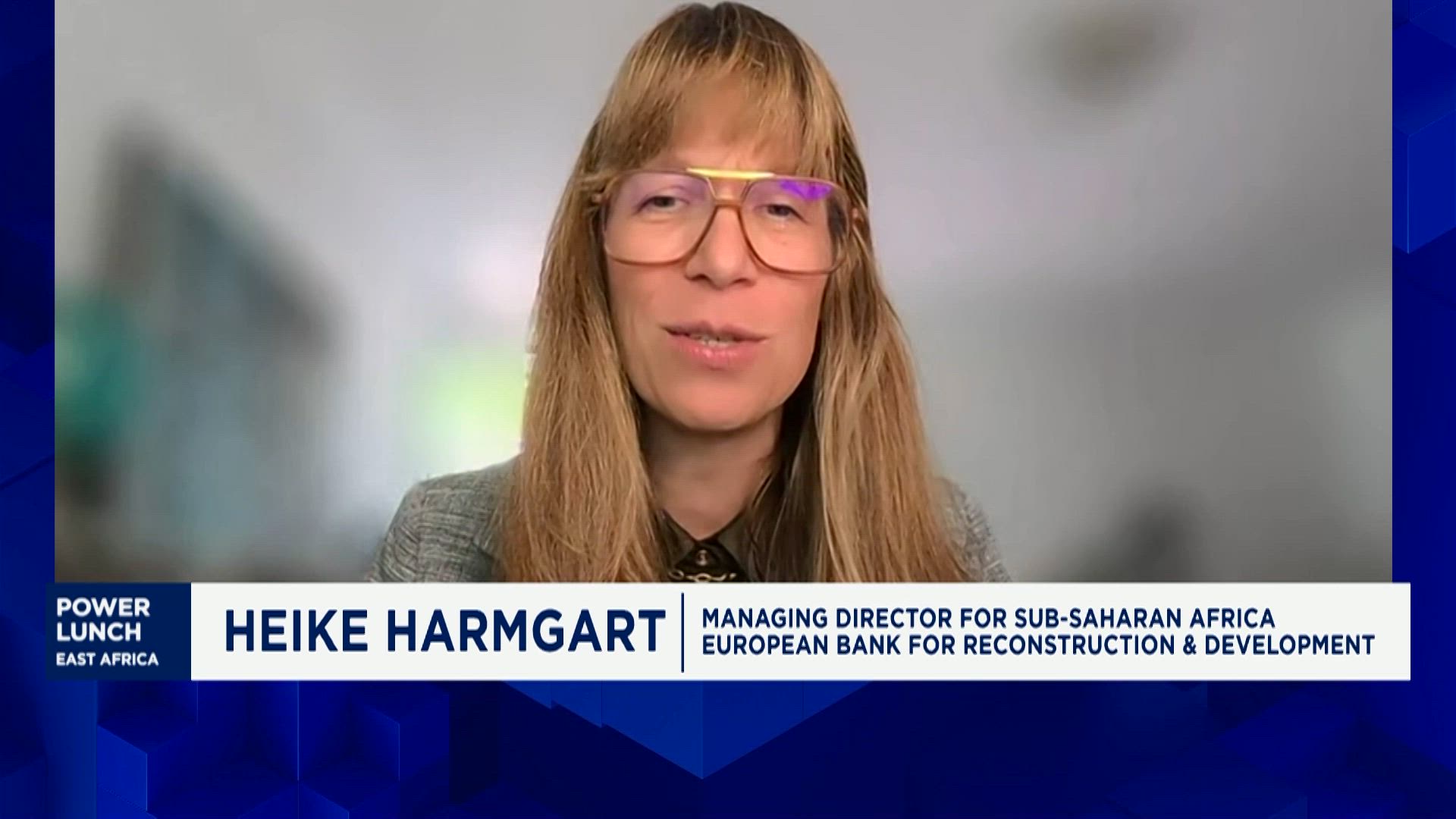
The European Bank for Reconstruction and Development (EBRD) has announced a landmark $100 million financing facility in partnership with KCB Bank Kenya, marking its first major financial sector intervention in the country. The initiative aims to expand credit access for small and medium-sized enterprises (SMEs), a critical economic driver in Kenya, while prioritizing women-led businesses and sustainable (green) investments. This move underscores the EBRD’s strategic expansion into Sub-Saharan Africa, where it seeks to foster inclusive economic growth through targeted financial support.
A Strategic Partnership for Economic Growth
Kenya’s SME sector is widely recognized as the backbone of the economy, contributing significantly to employment, innovation, and GDP growth. However, these businesses often face challenges in accessing affordable financing, particularly due to limited collateral, weak financial records, and stringent lending criteria. The $100 million facility, structured in collaboration with KCB Bank Kenya, addresses these gaps by providing low-cost credit while ensuring transparency, accountability, and impact-driven disbursement.
Haike Heimgaard, the EBRD’s Managing Director for Sub-Saharan Africa, highlighted KCB’s selection as the bank’s first Kenyan partner due to its extensive branch network and commitment to supporting the real economy, including SMEs and women-owned enterprises. In an interview, Heimgaard emphasized:
“KCB shares our philosophy of empowering small and medium enterprises, particularly those led by women, which are vital for Kenya’s economic diversification and job creation. Their strong presence across the country ensures that this funding reaches businesses that need it most.”
Targeted Allocations for Inclusive Growth
The financing facility is designed with three key focus areas to maximize its developmental impact:
- 30% for Women-Led SMEs
- A significant portion of the funds will be allocated to businesses owned or managed by women, reflecting the EBRD’s commitment to gender equality in entrepreneurship.
-
Research indicates that women-led businesses often face higher barriers to credit, yet they demonstrate comparable or even lower non-performing loan (NPL) rates when structured properly. The EBRD and KCB aim to demystify credit risks associated with female entrepreneurs by providing tailored financial literacy and advisory support.
-
30% for Green and Sustainable Enterprises
- Another 30% of the facility is reserved for eligible green enterprises, including those investing in renewable energy, energy-efficient technologies, and sustainable production methods.
-
Kenya, a regional leader in renewable energy, has ambitious goals to increase its share of electricity from clean sources. This funding will support businesses adopting solar rooftop systems, wind energy, and low-carbon industrial practices, aligning with the country’s national climate action plans.
-
Remaining Funds for Broad SME Support
- The remaining 40% of the facility will be available to all qualifying SMEs, ensuring a broad-based economic boost while maintaining the EBRD’s focus on financial inclusion and risk mitigation.
Monitoring and Reporting for Transparency
To ensure the funds reach the intended beneficiaries—particularly small, women-owned, and green businesses—the EBRD and KCB have established a rigorous monitoring and reporting framework. This includes:
– Tracking loan disbursements by business size, ownership structure (women-led vs. male-led), and sector (green vs. traditional).
– Documenting borrower profiles, including financial health, business plans, and collateral availability, to assess creditworthiness and risk.
– Regular audits to prevent concentration among larger, established firms and ensure trickle-down economic benefits**.
Heimgaard noted that while the funds are not yet fully disbursed, the monitoring systems are in place, and businesses—especially those in green sectors and women-led ventures—are encouraged to engage with KCB’s lending procedures.
Overcoming Barriers to Credit Access
One of the key challenges in financing SMEs, particularly in emerging markets, is the mismatch between lenders’ risk assessment criteria and borrowers’ ability to meet documentation requirements. The EBRD is addressing this through:
– Small and Medium Business Advisory Program (SMBAP)
– This initiative provides training for KCB loan officers on evaluating newer, smaller, and women-led businesses.
– It also offers business development support to SMEs, helping them improve financial record-keeping, cash flow management, and risk mitigation strategies.
– Flexible Lending Structures
– Recognizing that many SMEs lack traditional collateral, the facility may incorporate alternative credit scoring models, such as trade finance, revenue-based lending, or government-backed guarantees.
Heimgaard stressed that both lenders and borrowers must adapt to bridge the gap:
“Loan officers need to understand the nuances of young, innovative businesses, while entrepreneurs must present their financials in a way that demonstrates viability. This facility is designed to facilitate that two-way learning process.”
Green Financing: Aligning with Kenya’s Energy Transition
Kenya’s renewable energy sector is a global benchmark, with hydropower, wind, and solar contributing significantly to its electricity mix. The green financing component of the EBRD-KCB facility will support businesses in:
– Installing solar rooftop systems, reducing energy costs and carbon footprints.
– Transitioning to cleaner production methods, such as recycling, waste-to-energy, and low-emission manufacturing.
– Investing in battery storage and smart grid technologies, enhancing energy resilience.
Heimgaard highlighted Kenya’s proactive approach to renewable energy, stating:
“Kenya’s commitment to sustainable energy is exemplary. By integrating green financing into SME support, we are not just providing loans—we are enabling businesses to contribute to a lower-carbon economy while improving their competitiveness.”
EBRD’s Broader Expansion in Sub-Saharan Africa
This initiative marks the EBRD’s first major financial sector transaction in Kenya, following the country’s formal accession as a shareholder in October 2023. The bank’s expansion into Sub-Saharan Africa currently covers six countries, including:
– Nigeria
– Benin
– Senegal
– Côte d’Ivoire
– Madagascar (where it has already signed a telecommunications deal with AXIAN Telecom for expansion into Kenya and Senegal).
Ghana has also applied to join the EBRD’s shareholder and operational footprint, signaling growing interest in multilateral development finance across the region.
The EBRD’s Nairobi-based team played a pivotal role in structuring the KCB facility, demonstrating its regional commitment and on-the-ground operational capacity. Heimgaard indicated that further transactions in Kenya’s renewable energy sector—particularly in solar, wind, and energy storage—are under evaluation, especially after the lifting of the power sector moratorium.
The Path Forward: Measuring Impact and Scaling Success
While the $100 million facility represents a significant step forward, its long-term success will depend on:
– Rapid disbursement to SMEs, particularly women and green businesses.
– Effective monitoring to ensure funds reach underserved segments rather than large corporations.
– Sustainable growth for borrowers, with job creation, revenue increases, and environmental benefits as key outcomes.
Heimgaard concluded by emphasizing that this is not just a financial transaction but a model for development:
“The real test will be whether these funds transform the lives of small business owners, empower women entrepreneurs, and drive Kenya’s transition to a greener, more inclusive economy. If successful, this could serve as a blueprint for similar initiatives across Africa.”
As Kenya continues to position itself as a regional economic hub, the EBRD-KCB partnership signals stronger institutional collaboration to unlock the full potential of its SME sector, ensuring financial inclusion, gender equity, and sustainable development remain at the forefront of economic policy.
