


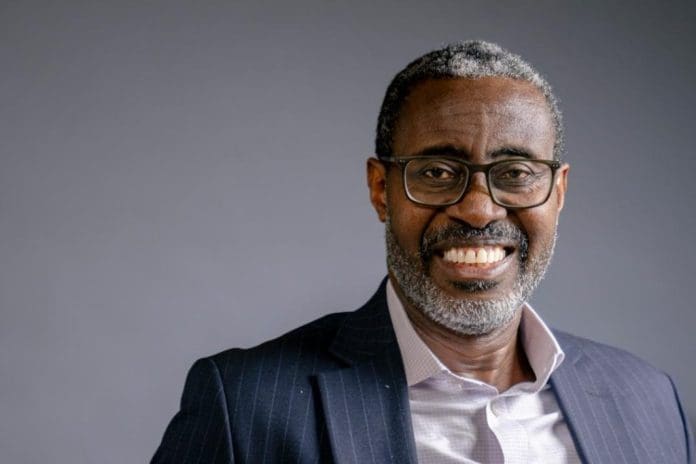
Ghanaian lawyer Ace Ankomah has told graduates that the Artificial Intelligence (AI) age will be defined by human character, not technology, and urged Africa to help shape it.
He was speaking at the 2026 commencement of SOS Hermann Gmeiner International College, on the theme of shaping ethical leaders for an AI future and Africa’s responsibility in it. AI was already reshaping economies, politics and daily life, he said, but it could not supply conscience, wisdom or moral judgement, and those were the things that would decide how the technology was used.
Much of his message was aimed at Africa’s place in the shift. The continent, he argued, had too often joined global revolutions late and as a buyer rather than a builder, and could not afford to do so again. He called for African countries to help design AI systems and the rules that govern them, to build their own technological capacity, and to bring ideas such as Ubuntu, with its stress on shared responsibility, into the global debate. Those who stay away from the table, he warned, tend to end up on it.
He set the stakes against rising global unease. Ankomah pointed to concerns raised by prominent technologists and the United Nations Secretary General, and to a warning he attributed to an Anthropic co-founder, Jack Clark, that the industry has an accelerator but no brake. AI, he told the class, was both an opportunity and a moral test of whether it would widen inequality or open up opportunity.
Drawing on his own profession, he offered the line that landed hardest. “AI makes a good lawyer better and a bad lawyer dangerous,” he said, arguing that powerful tools without ethics only sharpen harm. Africa, he added, needs principled professionals as much as it needs engineers and coders.
He grounded the advice in his own story, recalling how he moved from a low ranked class at Mfantsipim School to top A Level student in 1986 through reading, repetition and discipline rather than raw talent. He left the graduates five markers for the years ahead: intellectual excellence, moral courage, humility, empathy and service.
He closed by telling them history would judge them by the leaders they became, not the grades they earned, before ending with a few lines of verse and a personal motto about striving to become the standard others are measured against.
