
The gold market in Kenya has transformed with the change in years due to changes in local production and global factors at large. In 2023, Kenya’s gold exports stood at a value of $191 million due to increased international prices and output within the country.
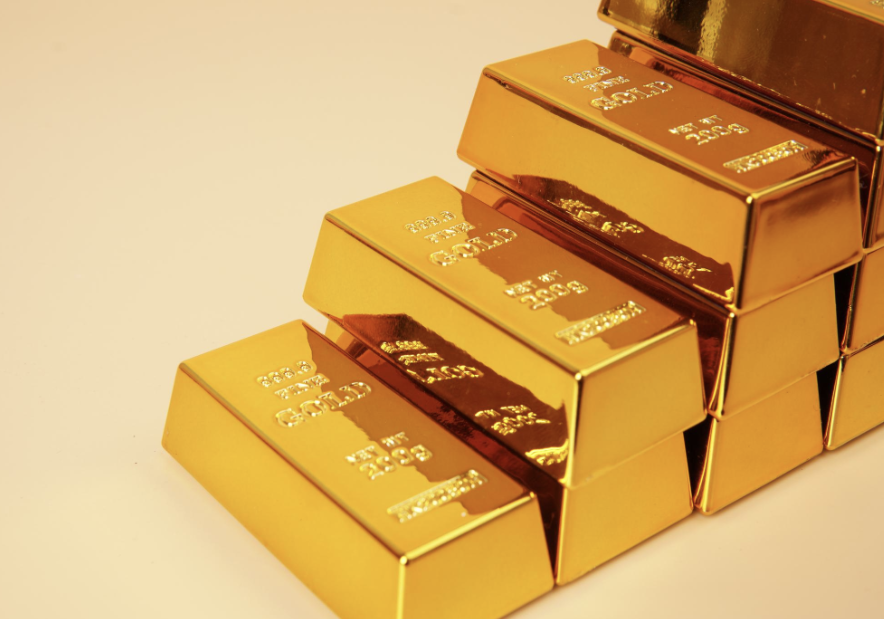
There are several avenues through which one can invest in this market, including physical gold, gold ETFs, and futures. Whereas the physical form of gold, bars, coins, and jewellery, is well-known and popular, there are problems connected with it, such as costs of storage and security.
The other alternatives, ETFs, and gold futures, are more straightforward manners of investment that carry less risk, though these involve requirements for a good understanding of market volatility and pricing trends.
Besides, Kenya’s gold market is sensitive to global economic trends, geopolitical tensions, and inflation. Additionally, gold acts as a hedge against investment risks, which means that when there is economic turmoil and unpredictability or volatility in currencies, demand for gold is higher, and both these factors are expected to continue through the end of 2024 and into 2025. This article explores how to trade gold successfully in Kenya, looking at the legal requirements, choosing the right dealer as well as how to stay up to date with regulatory requirements.
Legal Requirements for Gold Trading in Kenya
No person can trade gold in Kenya without having a complete idea of the present legal system controlling the industry. The Mining Act, of 2016 formalized what had until then been largely an artisanal and small-scale gold mining industry. The move aims at increasing transparency and reducing the scope for illegal mining, although revenues received from Kenya’s fledgling gold industry are increasing.
For example, traders are under strict regulations to comply with the law in gold trading by taking up the required mining and trading licenses. Such requirements ensure that the gold trade is done within the legal framework and hence players in the market are accountable. The CBK also participates in the gold trade by holding it in its foreign exchange reserve and regulating the market to control illegal trading and price stabilization.
It is also a must that one obtains the necessary licenses and complies with the above for those who are willing to deal with gold on a legal basis. Everybody should know about the evolving legal framework of the government regarding transparency and tax treatment regarding a gold transaction.
Choosing the Right Gold Dealer
Among the most important things in trading gold in Kenya lies in choosing a reputable gold dealer who shall help in steering clear of fraudulent deals and fungus that may come with such transactions. In the Kenyan market, there are various licensed gold dealers that deal in physical gold, hence offering a safe method for traders to invest in this commodity.
However, an underground market exists, with risks such as counterfeit gold, among a host of other scams.
Always check with relevant authorities, such as the Ministry of Mining or other parallel bodies like the Kenya Chamber of Mines, to ensure that the dealer’s license is up-to-date. More established financial avenues of gold trading, such as gold ETFs on the Nairobi Securities Exchange, also provide a relatively safer avenue than physical trading. Such platforms are most helpful to traders who require exposure to gold without many of the complications in storage or security risks.
Tracking Global and Local Gold Prices
Prices of gold, like in many countries, are usually influenced by many factors in the global economy. Driven by rising inflation rates, fluctuating interest rates, and geopolitical events such as the Russia-Ukraine war, gold prices had an unruly year in 2023, as there was increased volatility in financial markets. This may have turned many Kenyan investors toward gold as a hedge against inflation.
Another key factor domestically in the price of gold is the value of the Kenyan shilling against the U.S. dollar. A weaker shilling makes it more expensive for local buyers, while it is attractive for those holding foreign currencies. Due to this, traders must know all the latest trends in order to make informed decisions. In the case of gold investors, monitoring monetary policy by the Central Bank of Kenya should be as important as learning about interest rates and the strength or weakness of currencies.
Monitoring Regulatory Changes in Kenya’s Gold Trade
The Government of Kenya has been keen on formalizing the gold sector to reduce its opacity and ensure the sector grows in a sustainable manner. Since the Mining Act 2016 took effect, there has been a heightened effort to regulate small-scale mining industries and eliminate illegal trade. A further amendment is expected to this act in 2024, which could further raise the bar on licensed gold trading and more formal channels in that regard. As of 2024, the Central Bank of Kenya still retains gold among its foreign currency reserves for market stabilization purposes.
Currently, the Central Bank of Kenya retains lots of gold in the foreign currency reserves for the purpose of market stabilization. Gold investors and traders will closely monitor any new releases from the Ministry of Mining and the Central Bank regarding regulatory changes since such may impact licensing requirements, tax policies, and trading relationships.
Trading gold in Kenya is a very good opportunity, but in the real sense, it demands a great understanding both in the domestic and international frontier and basically to meet legal requirements. Investors should update themselves on global economic trends, local price movements, and ever-changing regulations governing the trade. Some of the risk factors that, when worked out properly, could give avenues through which traders might capitalize on the continued growth witnessed in the Kenyan gold market include reliable dealers in gold, coupled with intelligent investment strategies.
