


By Enock Ankomah
The Director-General of the Ghana Meteorological Agency (GMET), Eric Asuman, has attributed the increasing impact of flooding in parts of the country to poor human behaviour and disregard for weather warnings.
According to him, practices such as dumping refuse into gutters, building on waterways and flood-prone areas, and ignoring weather advisories continue to worsen the effects of heavy rains, particularly in urban centres such as Accra.
Speaking in an interview, Mr Asuman said the agency consistently issues forecasts and warnings ahead of major rainfall events, but many residents fail to act until disaster strikes.
He noted that paving open spaces in homes and communities without leaving areas for water absorption also contributes to increased runoff and flooding during downpours.
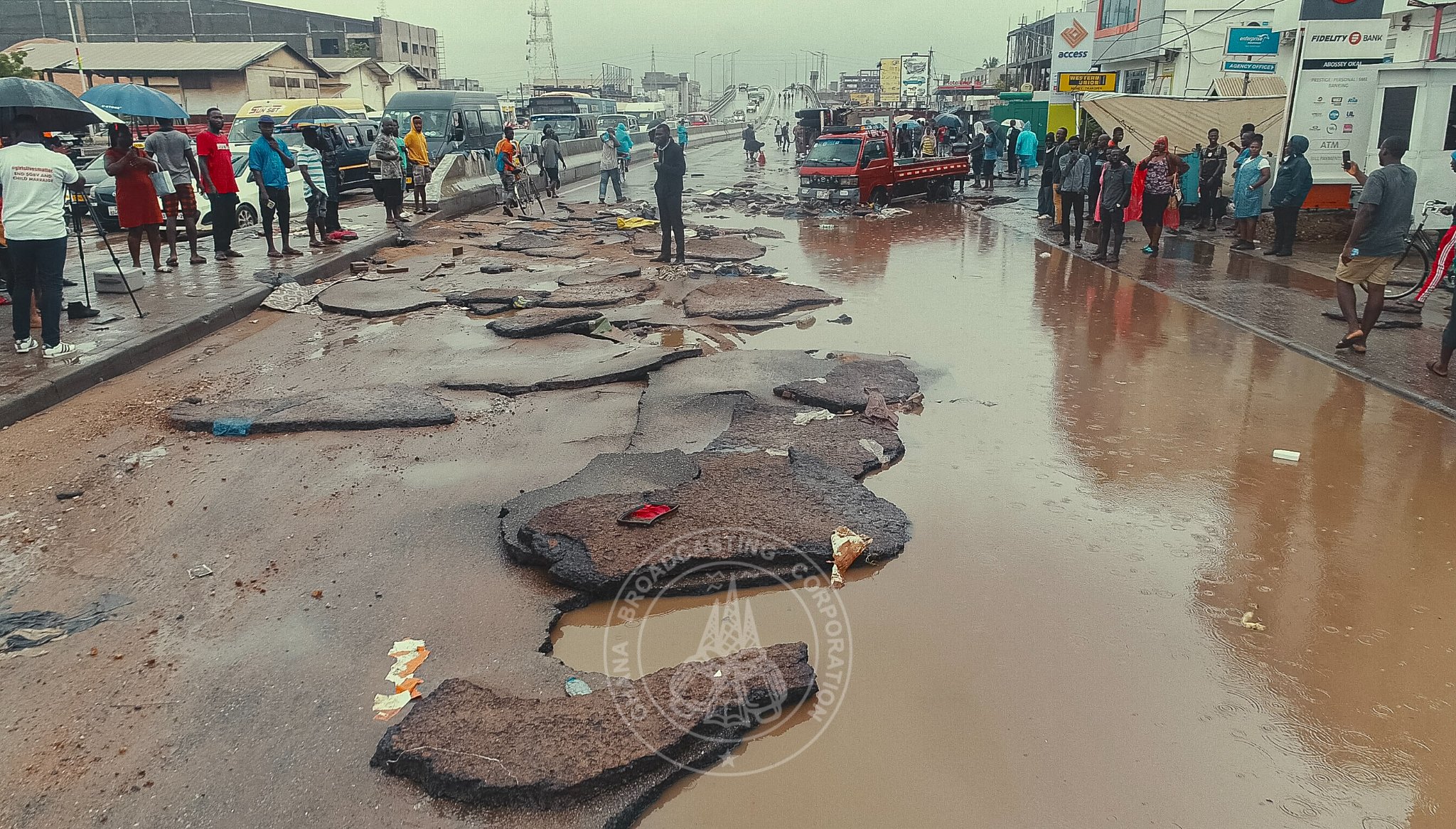
Citing the recent heavy rains in Accra, the GMET Director-General revealed that warnings had been issued several hours before the rains began, yet many people ignored the alerts and failed to take precautionary measures.
Mr Asuman urged the public to take weather forecasts seriously and support efforts to reduce flooding by keeping drains clear and avoiding activities that obstruct waterways.
He disclosed that Ghana’s southeastern coastal belt, stretching from Ada through Accra to the Ghana–Togo border, is expected to experience normal to above-normal rainfall during the peak of the major rainy season in May and June.
According to him, the forecast indicates that cumulative rainfall levels in those areas could exceed the 30-year average for the season.
He cautioned residents in flood-prone communities to remain vigilant and to regularly follow forecasts, daily weather reports and warnings issued by the Ghana Meteorological Agency and the National Disaster Management Organisation (NADMO).
Mr Asuman also advised motorists against driving through flooded roads, warning that strong runoff waters can easily sweep away vehicles and endanger lives.
He explained that while heavy rains are expected to continue through June and parts of July, rainfall activity is likely to reduce towards the end of July ahead of the usual August dry spell, before the minor rainy season begins in September.
The Director-General added that the Ghana Meteorological Agency has intensified public education through media engagements, community outreach programmes and social media campaigns to improve public preparedness for extreme weather events.
More Stories Here
