


The government has been urged to invest in and support circular economy systems that create jobs, address improper waste management and protect the environment.
A circular economy is an economic model designed to eliminate waste and pollution by keeping materials, products and resources in use for as long as possible.
The Founder of Reclaim Textile Network (RTN), a non-governmental organisation focused on fabric waste recycling, Dr Christiana Konamah Okai-Mensah, said although many organisations were contributing to job creation within the circular economy, they were not receiving the needed support from the government and other stakeholders.
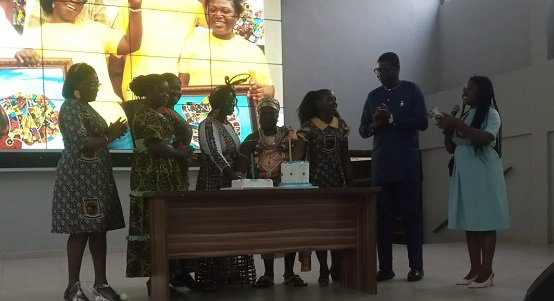
Dr Okai-Mensah was speaking at the one-year anniversary celebration of the organisation in Accra last Friday on the theme: “Reclaiming Value: Circular Textiles for Sustainable Communities.”
She said the network had made significant impact by engaging and training more than 4,000 students from second-cycle and tertiary institutions, as well as 400 communities, on how to transform textile waste into useful products such as school bags, doormats and fashion items.
Dr Okai-Mensah, who is also a lecturer at the Accra Technical University, noted that the network’s major challenges were transportation and storage of textile waste, as well as the purchase of materials needed by students to transform the waste into useful products.
She explained that textile waste could be used by students for practical lessons and called on the Ministry of Education (MoE) to support the initiative.
“I am advocating for the government to take it as a challenge because the students have been able to use the textile waste to produce a lot of products. From the education side, instead of the students going to buy fabrics, they can use these fabric waste at their practical’s section,” Dr Okai-Mensah said.
The Minister of Tourism, Culture and Creative Arts, Ms Dzifa Abla Gomashie, in a speech read on her behalf, said the work of RTN served as a benchmark for green entrepreneurship.
She added that the work of the network aligned with the revised Ghana Cultural Policy, which seeks to strengthen governance within cultural institutions, create opportunities for youth employment and foster innovation within the creative ecosystem.
Ms Gomashie thanked the founder and team of RTN for their operational excellence and reaffirmed the Ministry’s commitment to supporting strategic frameworks that connect local creative products to wider economic markets.
The Special Guest, Mrs Linda Yaa Ampah, stressed the importance of complying with international best practices and standards within the textile and fashion industry.
“By embedding compliance, sustainability and circularity into our operations, we are not only strengthening our businesses but also contributing meaningfully to national development priorities and global sustainability targets,” she said.
The Chairman of the event, Professor Ebenezer Kofi Howard, said environmental sustainability remained one of the three key pillars of sustainability that Ghana continued to struggle to achieve because of poor waste management.
BY BENJAMIN ARCTON-TETTEY
Follow our WhatsApp Channel now!

