


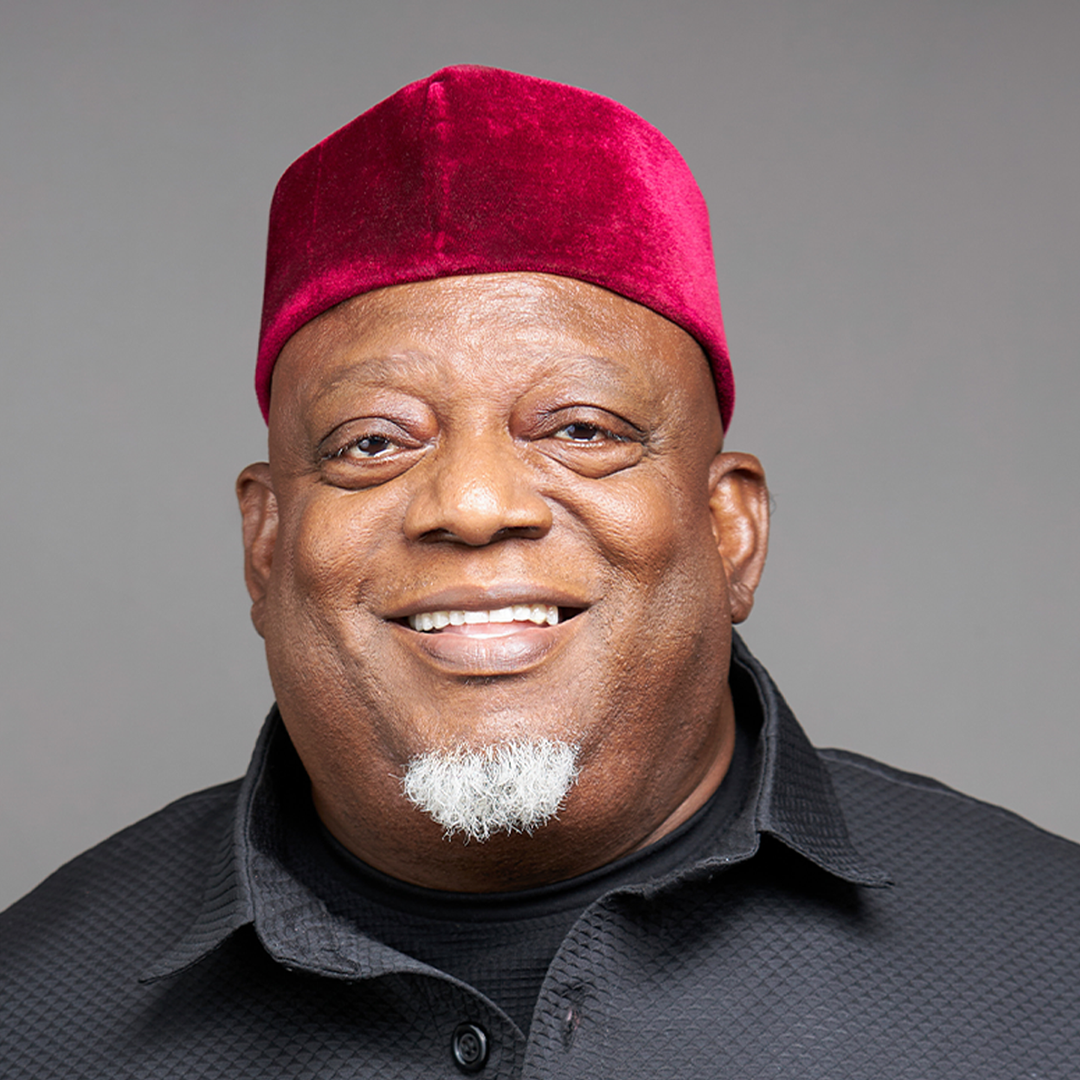
Ghana’s conclusion of its International Monetary Fund (IMF) bailout programme should be read as probation with greater freedom rather than a graduation, according to economist and Dalex Finance Chief Operating Officer Joe Jackson, who warned that macroeconomic stability and genuine prosperity for ordinary Ghanaians are not the same thing.
Jackson made the remarks on 3FM’s “Hot Edition” programme on May 15, as Ghana formally wrapped up its three-year IMF programme and announced a transition into a non-financing policy support arrangement designed to sustain reforms and reinforce macroeconomic stability.
“Stability is not that same as prosperity,” Jackson said.
He acknowledged that Ghana had shown considerable fiscal discipline over the life of the programme but argued the real test lies ahead. Without the IMF holding direct financial leverage over the country, Ghana must now demonstrate it can maintain discipline on its own terms. The shift to a monitoring and credibility support arrangement means oversight continues, but the accountability structure has changed fundamentally.
Jackson outlined the areas Ghana must keep addressing under the new arrangement — fiscal management, debt sustainability, governance of state-owned enterprises, exchange rate stability and inclusive growth — describing these as the benchmarks that will define the country’s credibility over the coming period.
He framed Ghana’s current position through a medical analogy. The country had spent nearly 18 months in crisis, survived the emergency ward, left hospital and returned home. But it is not yet fit to run a marathon. Getting there, he argued, means exercising discipline without an external institution enforcing consequences.
Jackson also urged government to borrow strategically, directing debt only toward investments capable of generating returns rather than financing consumption or recurrent spending. Borrowing wisely, he stressed, is the standard by which Ghana’s fiscal maturity will ultimately be measured.
He concluded that the true verdict on Ghana’s IMF exit will not come from official announcements but from how Ghanaians experience food prices, transport costs, rents, school fees, electricity bills and household incomes in the period ahead.
