


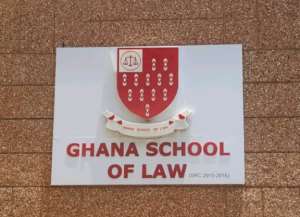
In March 2026, Ghana made a historic change to its legal education system with the passage of the Legal Education Reform Bill, 2025. This reform has ended the long-standing monopoly of the Ghana School of Law over professional legal training.
What Was the Situation Before?
For decades, the Ghana School of Law was the only institution responsible for training law graduates to become lawyers. Even after obtaining an LLB degree from a university, students had to pass a competitive entrance exam to gain admission into the School.
This system limited access, as many qualified students could not gain admission.
What Has Changed?
The new law introduces major reforms:
End of Monopoly
The Ghana School of Law is no longer the only institution allowed to provide professional legal training.
Universities Can Train Lawyers
Accredited universities (both public and private) can now offer Law Practice Training Courses.
Introduction of a National Bar Exam
All students regardless of where they train must pass a National Bar Examination to qualify as lawyers.
New Regulatory Body
A Council for Legal Education and Training will oversee and regulate standards across institutions.
Does This Mean “Everybody Can Be a Lawyer”?
No not exactly.
The reform does NOT mean anyone can just become a lawyer easily.
You still must:
Obtain an LLB degree
Gain admission into an accredited professional training programme
Complete the training
Pass the National Bar Examination
So, the system is now more accessible, but still strict and regulated.
Why This Reform Matters
Expands access to legal education
Reduces bottlenecks and unfair limitations
Creates equal opportunity across universities
Maintains standards through a unified Bar exam
Experts say it marks a “new era” of fairness and inclusivity in Ghana’s legal profession.
Conclusion
Ghana has not made everyone a lawyer, but it has opened the path for more people to become lawyers through a fairer and more flexible system.
The focus has shifted from:
“One school controls access”
to
“Many schools train, but one national exam decides who qualifies.”
Mustapha Bature Sallama.
Medical/ Science Communicator,
Private Investigator, Criminal investigation and Intelligence Analysis.
International Conflict Management and Peace Building.USIP
[email protected]
+233-555-275-880
